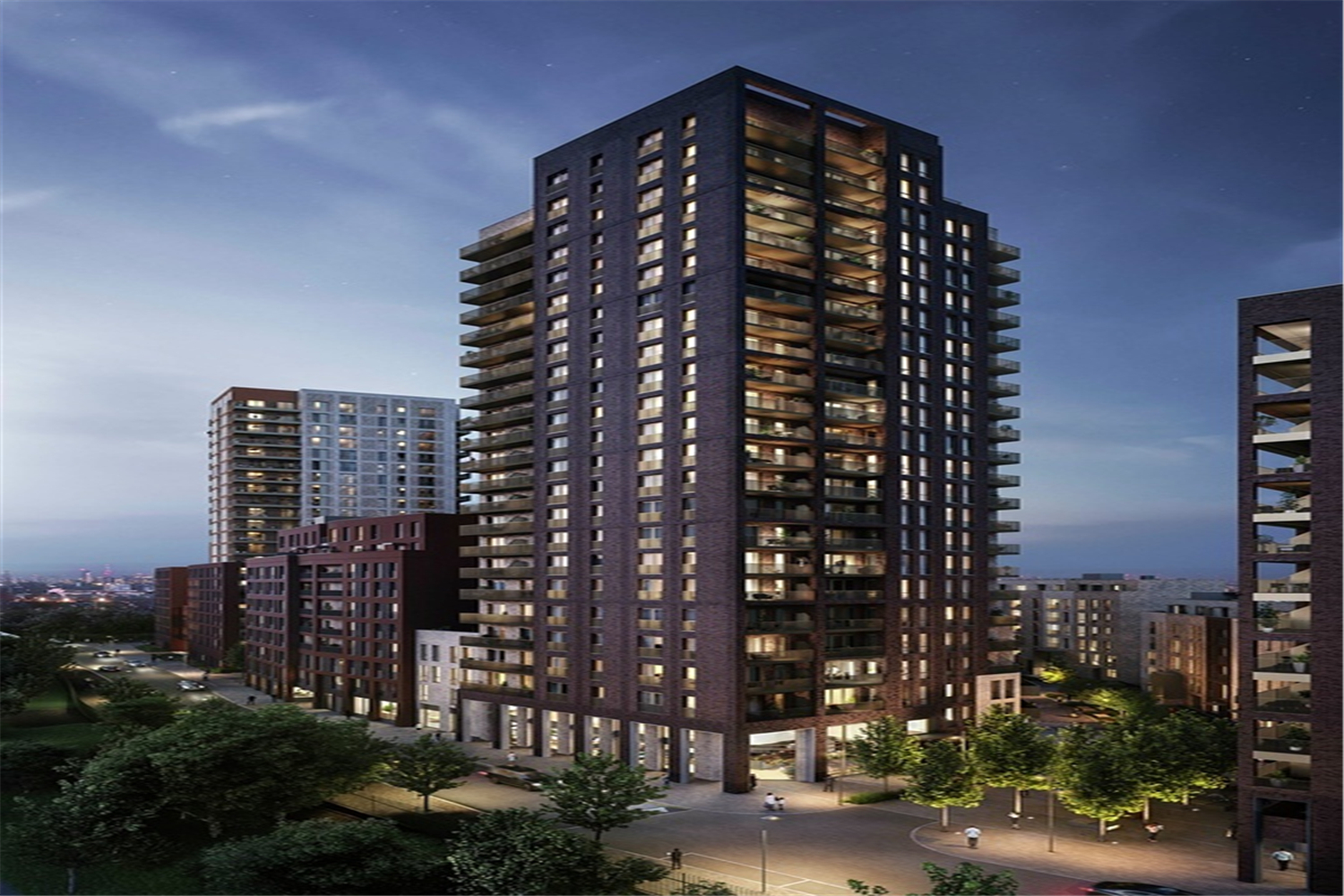
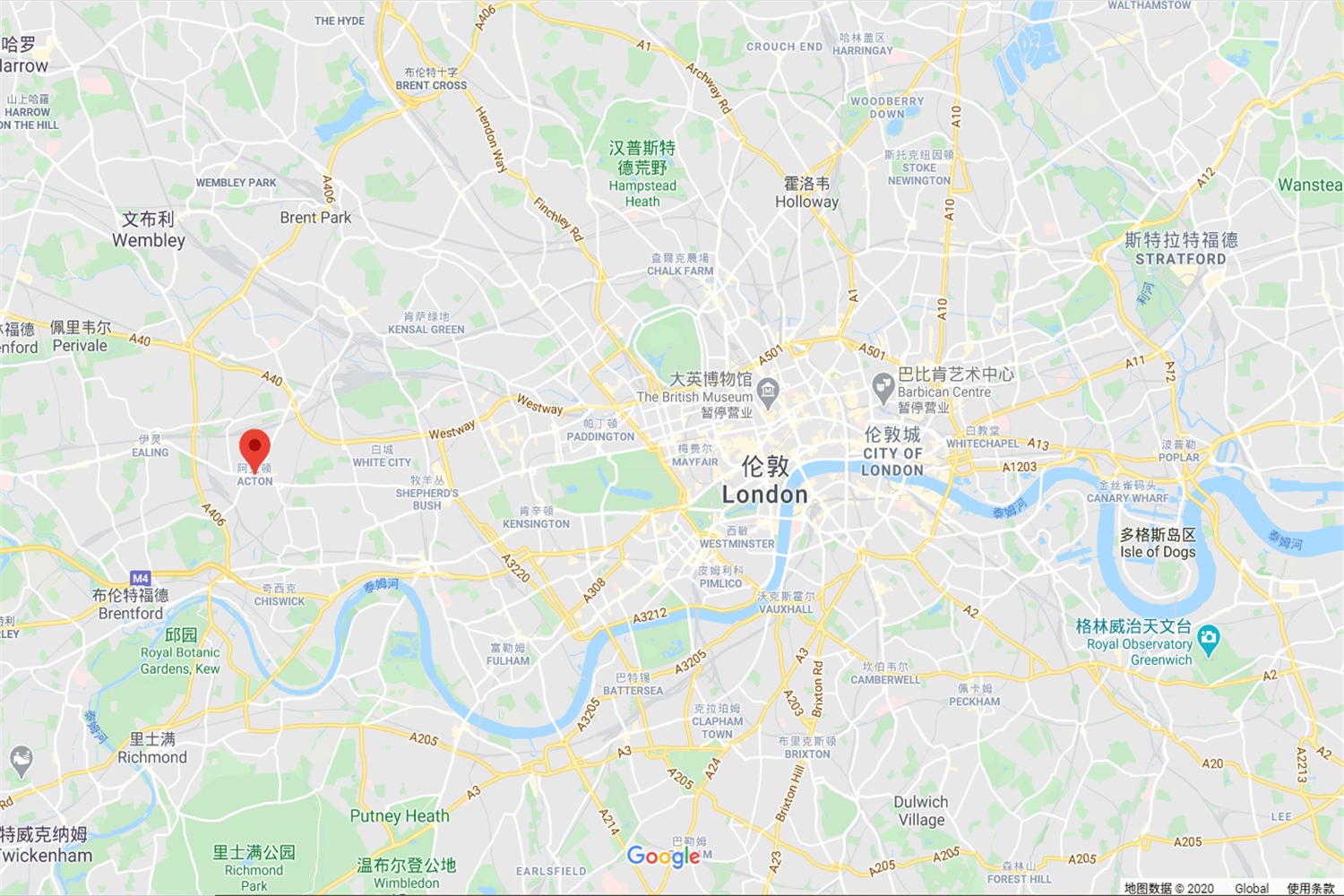

An important residential area in the West End of London, with a strong living atmosphere and convenient living facilities.
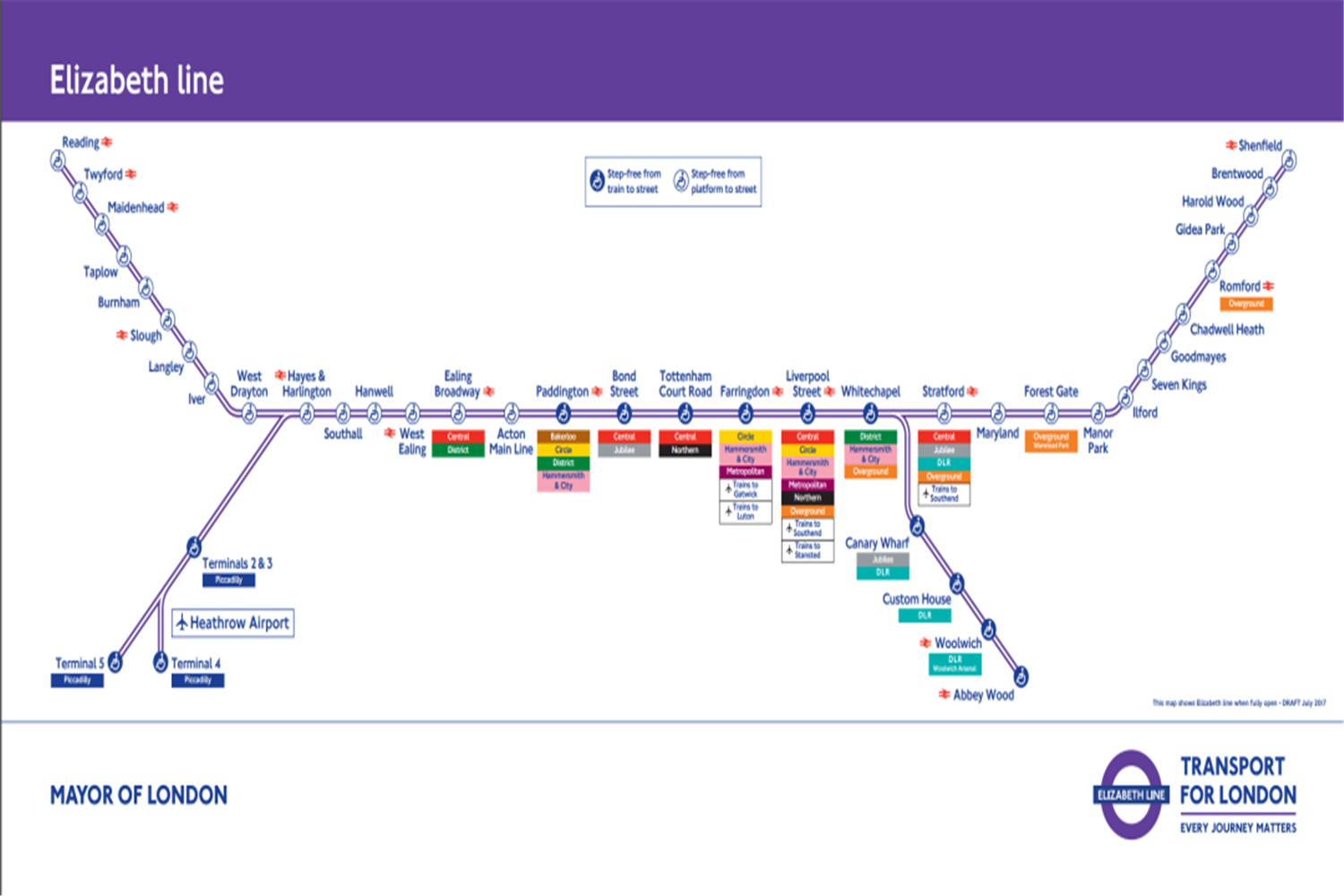
The Elizabeth line of the Crossrail, which will open in 2021, will pass through Acton. This transportation line is not only one of the lifelines for London's sustainable development, but also injects fresh blood into the London property market. It has Paddington Station, a transportation hub, and it takes less than 20 minutes to reach Bond Street and the City of London, offering convenient transportation.
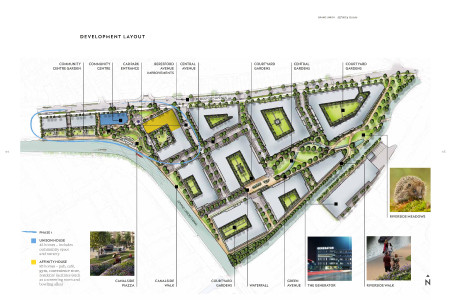
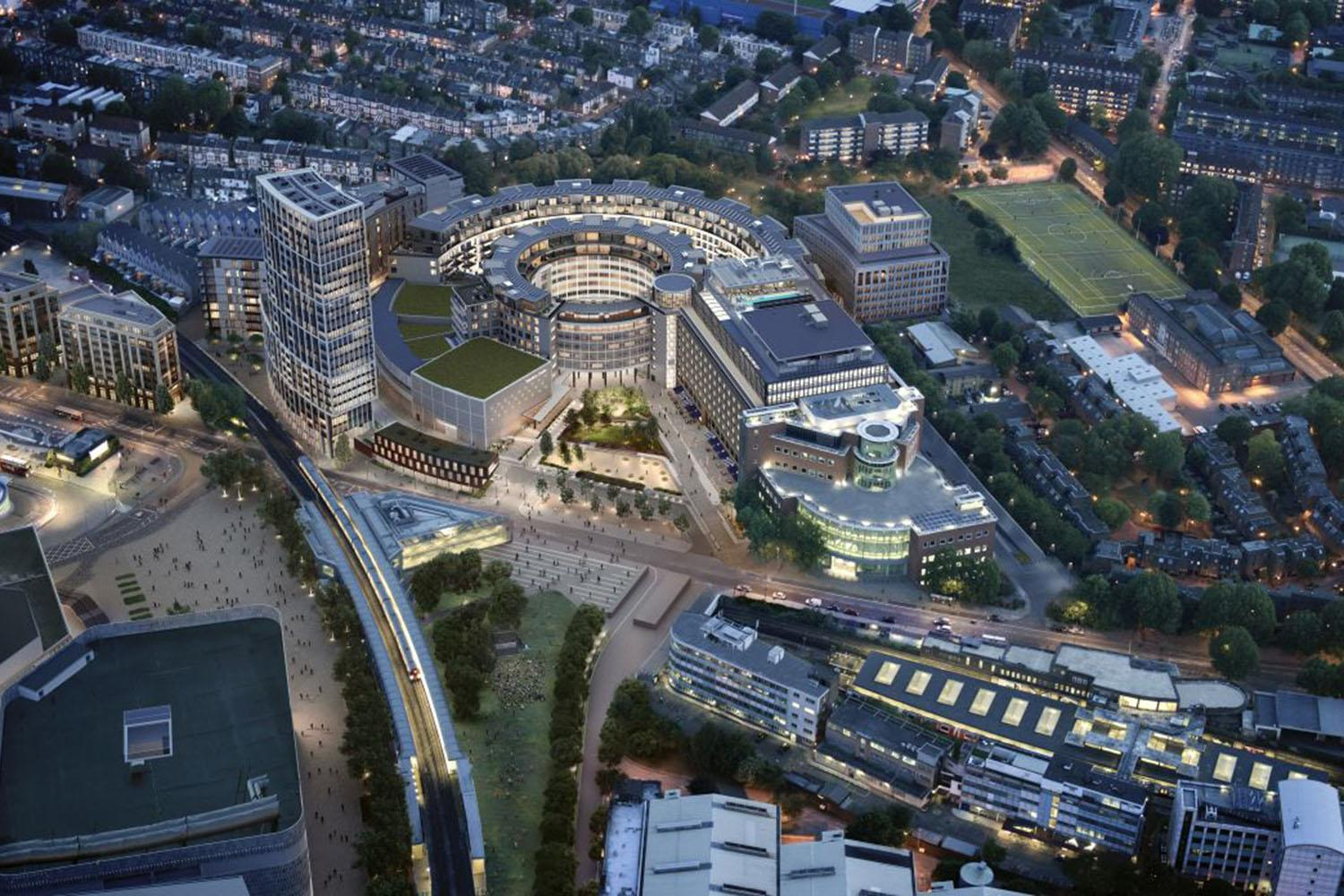
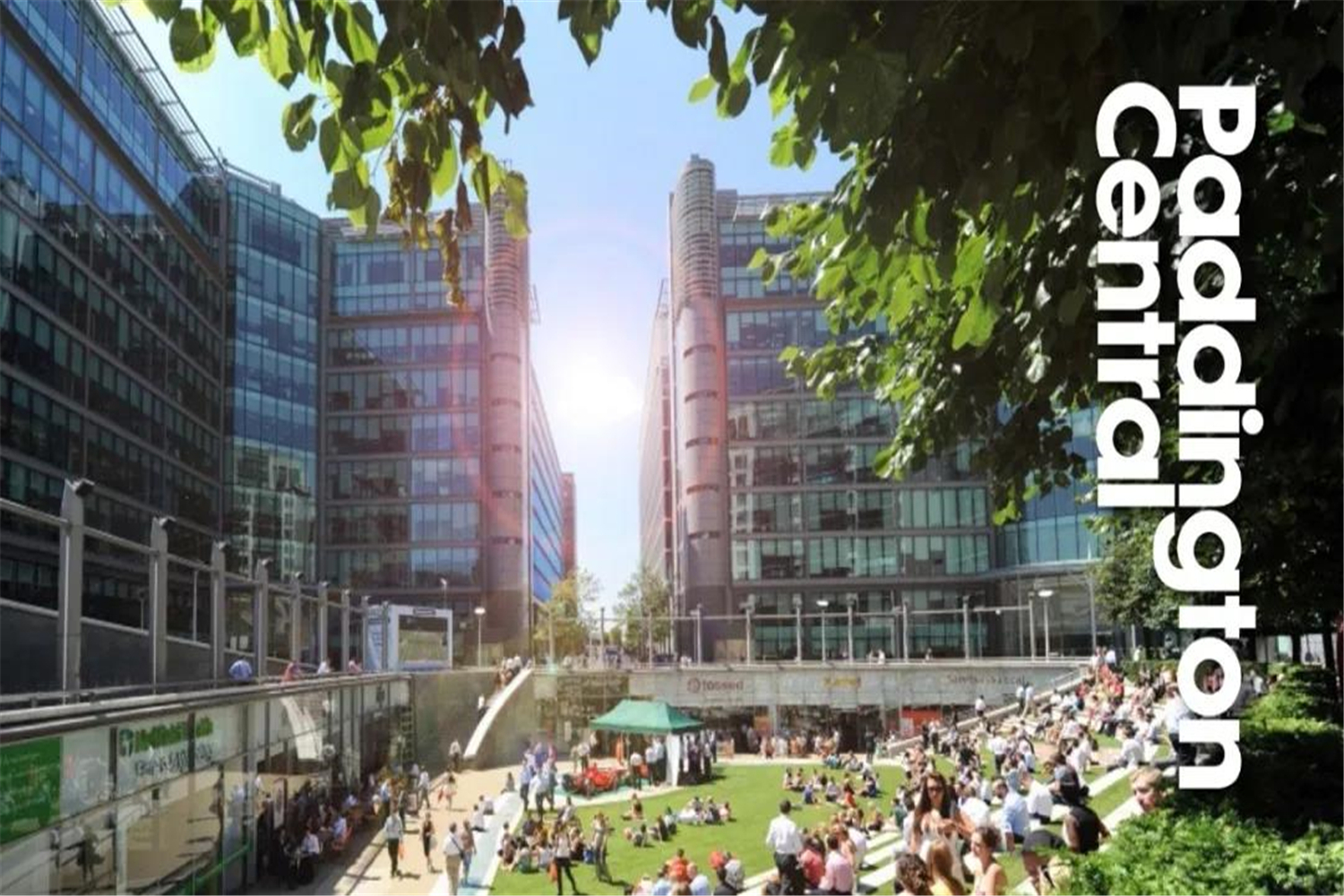
Acton was originally part of the £26 billion overall redevelopment plan. When the current Prime Minister Boris Johnson was the Mayor of London, he hoped that this area would develop into the 'Canary Wharf' of West London. As one of the largest redevelopment projects in the capital, new schools, commercial streets and public facilities will be built here, and 65,000 new jobs will be created. With the successive completion of the Paddington Central project, which is the upgrading and reconstruction center of Paddington, it has attracted many international multinational companies to relocate here, including the global headquarters of Vodafone, the UK headquarters of Statoil (a Norwegian national oil company), the financial software company Mysis, Marks & Spencer in the UK, and Kingfisher Group (the largest home improvement group in Europe) in the UK, etc.
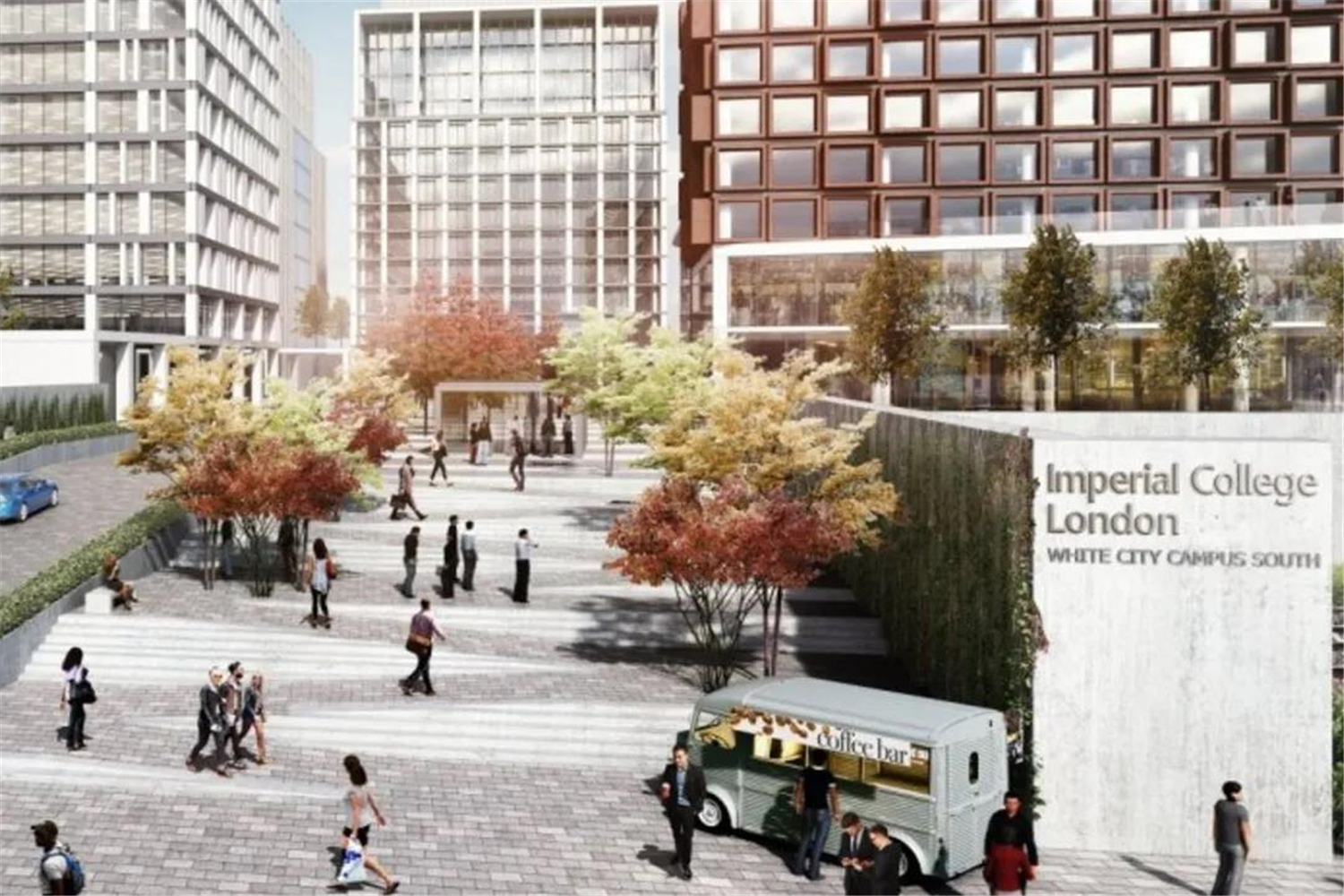
It is reported that in the future, Imperial College London will build two new campuses in Acton. After the full - line opening of the Elizabeth line, it will take about 20 minutes to reach universities such as the London School of Economics (LSE), University College London (UCL), and the University of Westminster from Acton Main Line. This will bring huge demand for rental and sales.
Located in the third district of West London, it is situated in the historic county of Middlesex, between Chiswick and Ealing, with the UK postal code W3.
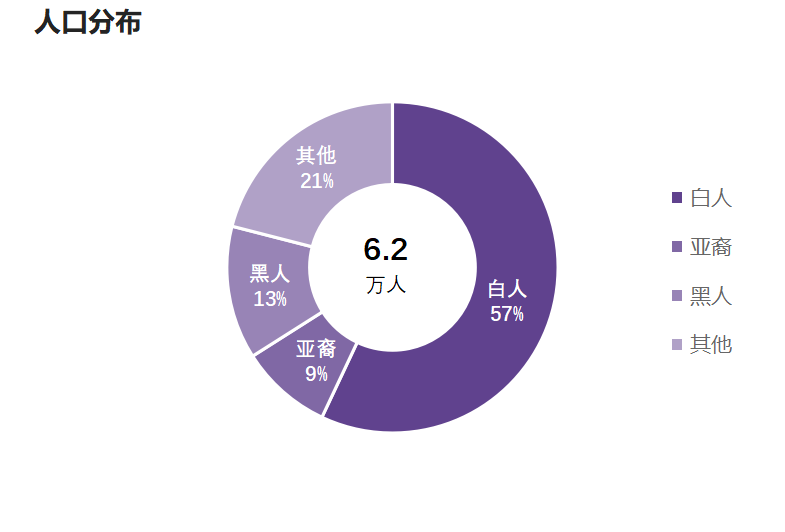
It has convenient transportation and is close to large enterprises. Most of the residents in the area are native British people, and most of them are urban elites. The residents are mostly young people aged 30 - 50 and college students from nearby universities.
As of June 2020, there were a total of 664 street crime incidents in Acton. The largest category was anti - social behavior with 269 cases, followed by violent crime with 133 cases.
There are 135 outstanding public schools and 138 private schools, including the best public primary school Ark Priory Primary Academy, within the Akton area, and the well-known one is the London Japanese School.
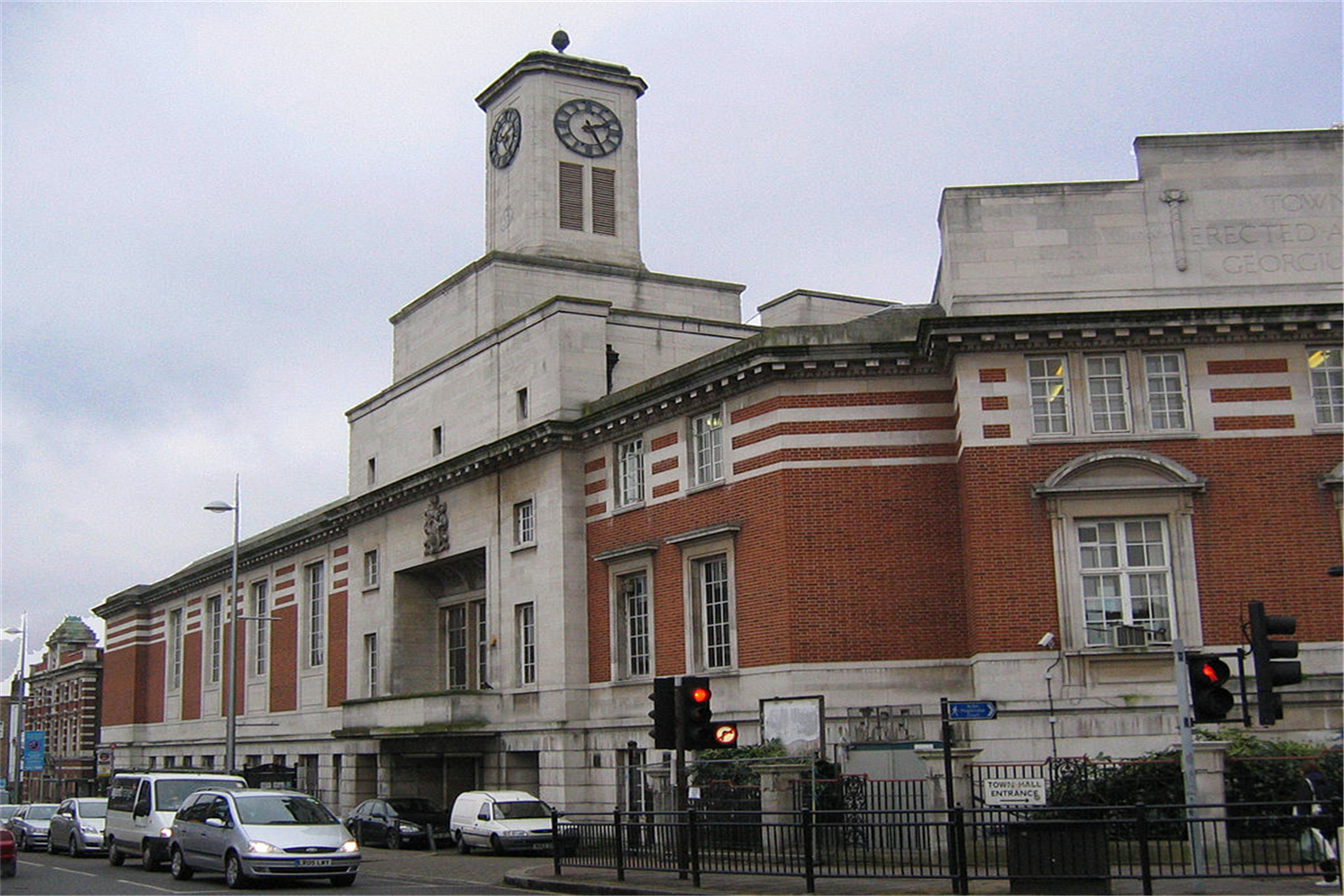
Acton Town Hall is a municipal building on Acton High Street in London. It is a Grade II listed building. It was built in 1909, and on March 10, 1910, the building was established as the office of the Acton Urban District Council. The main building extends eastward along the High Street (towards the King's Hall building), which includes a large meeting hall with临街阶段住宅 (I'm not sure about the exact English for this, maybe 'frontage - staged residences') and balconies.
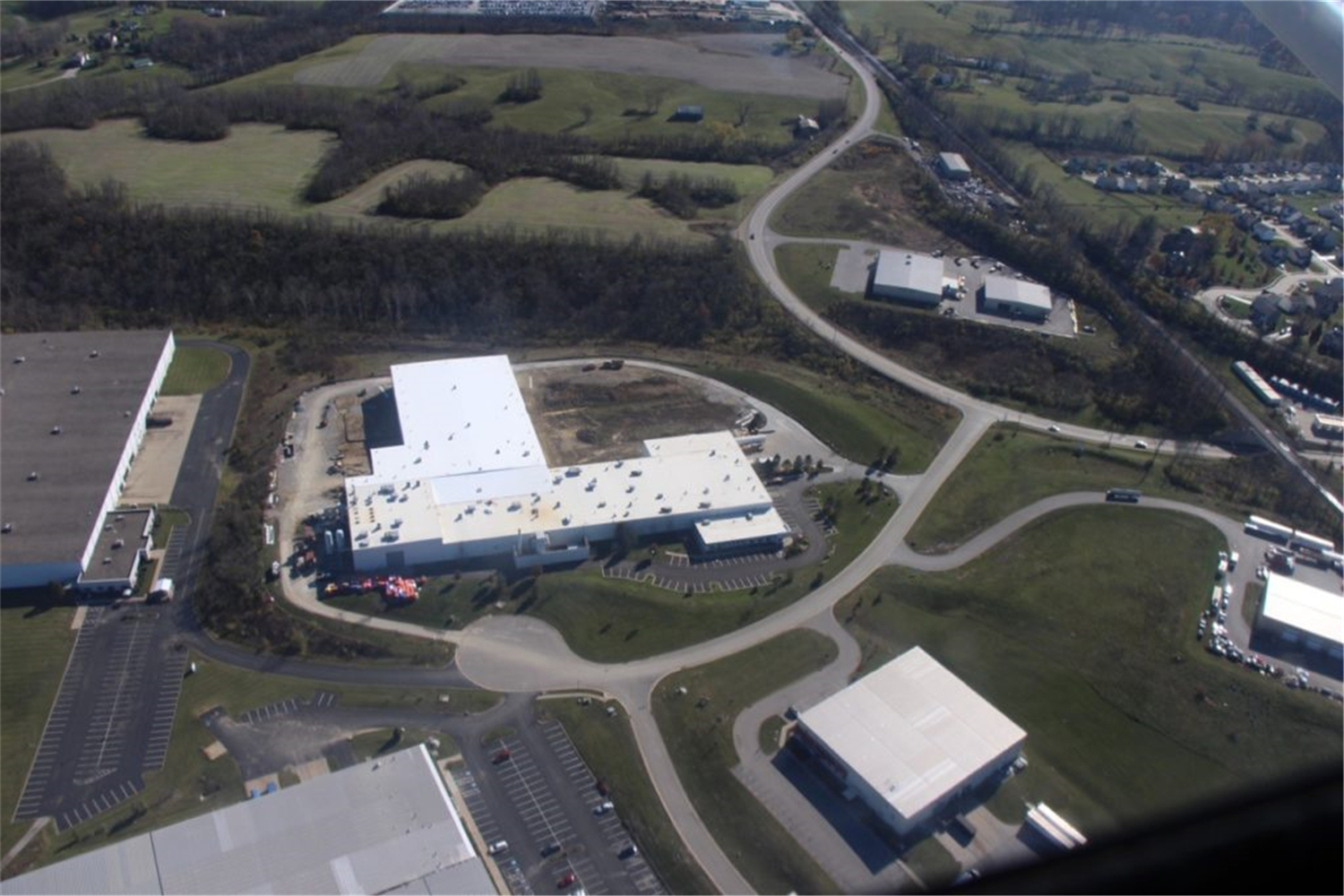
Zotefoams Plc manufactures a series of closed cell cross-linked polyolefin foam, which are widely used in sports, construction, navigation, automation, medical equipment and aerospace. The company started in the 1940s, producing blocky foam, which was spun off from BP Chemicals in 1992. The majority of the company's sales revenue comes from overseas exports with multiple registered trademarks. The sales revenue in 2015 was 26.63 million pounds.
Living here is convenient, a traditional affluent area in the UK with a strong living atmosphere and excellent educational resources.
The house has great potential for appreciation and transportation is also very convenient.
Acton was incorporated into Ealing, and the former area of Acton became part of the London Borough of Ealing.
Acton became an autonomous municipal borough officially.
The worship company of Goldsmith built 20 almshouses on the former Perry Manor.
The Duke of Beaufort moved to the Acton area when there were no other large resident landowners. Many landless property units, including most of the inns, changed hands frequently.
The landowners recorded in the house documents had settled in Acton in 1222 and became the earliest residents there.
The area is mainly composed of apartments, but there are also villa projects. Most of them are new houses.