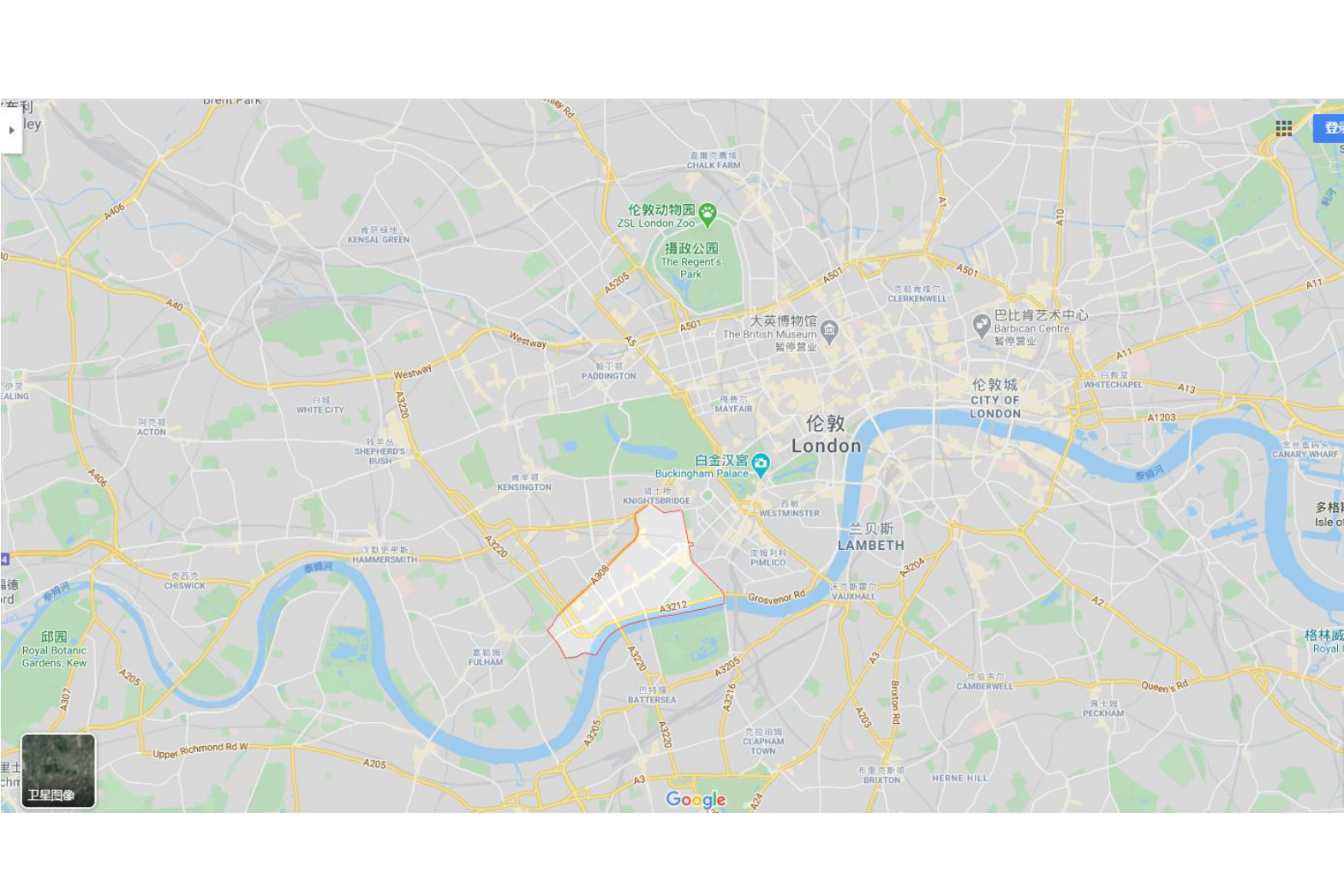

Chelsea is located in Inner London, in the first western district. It's a traditional affluent area, quiet and suitable for living.
The southern part of the Chelsea neighborhood is adjacent to the River Thames. Most of the residences along the riverbank can enjoy the beautiful river view and the cityscape on the south bank of the Thames. Compared with other West 1 neighborhoods, there is an extra sense of enjoyment here.
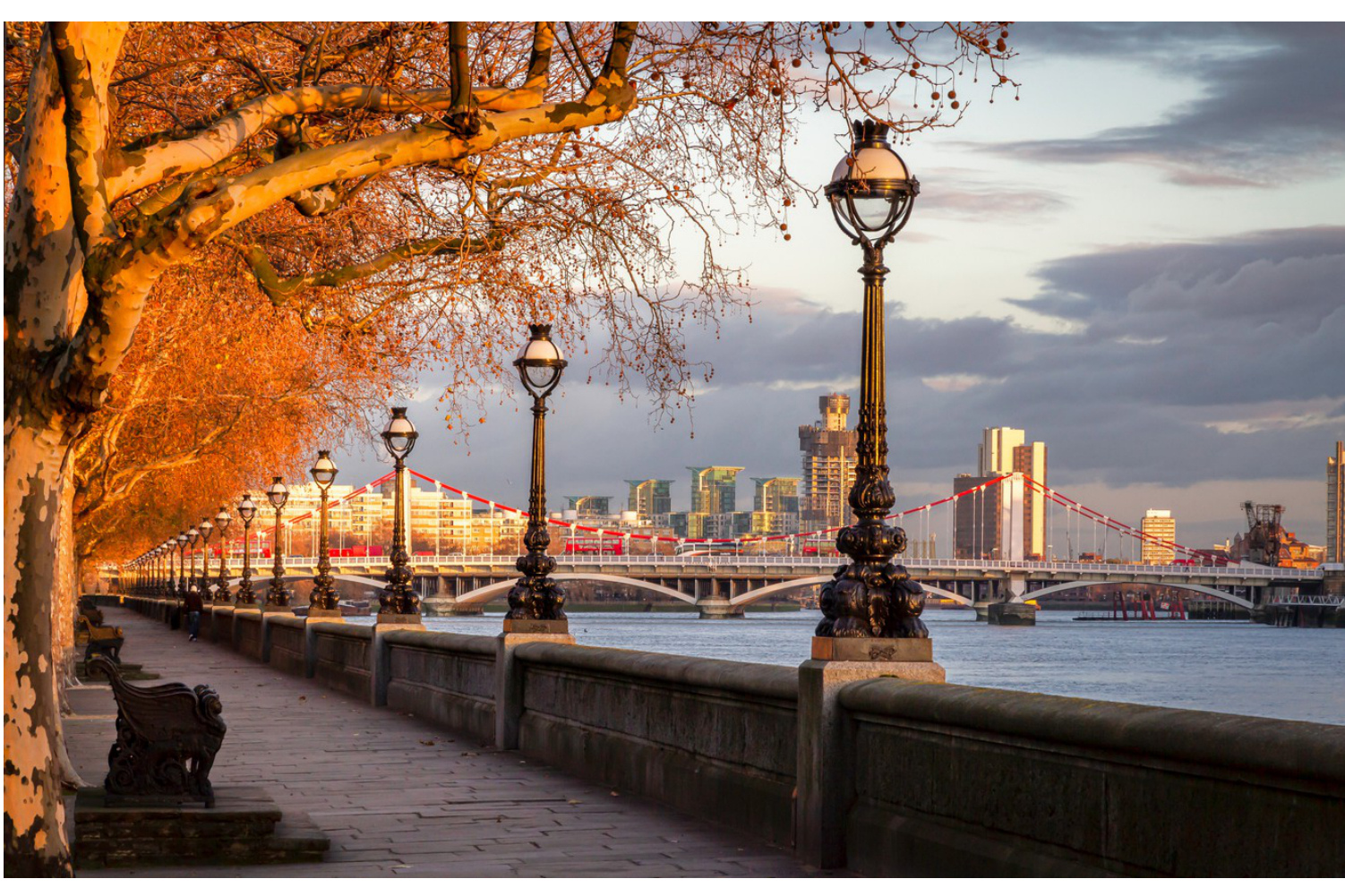
In Chelsea, the residents are either traditional local British tycoons or newly - rich families. Some world - renowned billionaires also settle down or invest here. Almost all of them belong to the upper class.
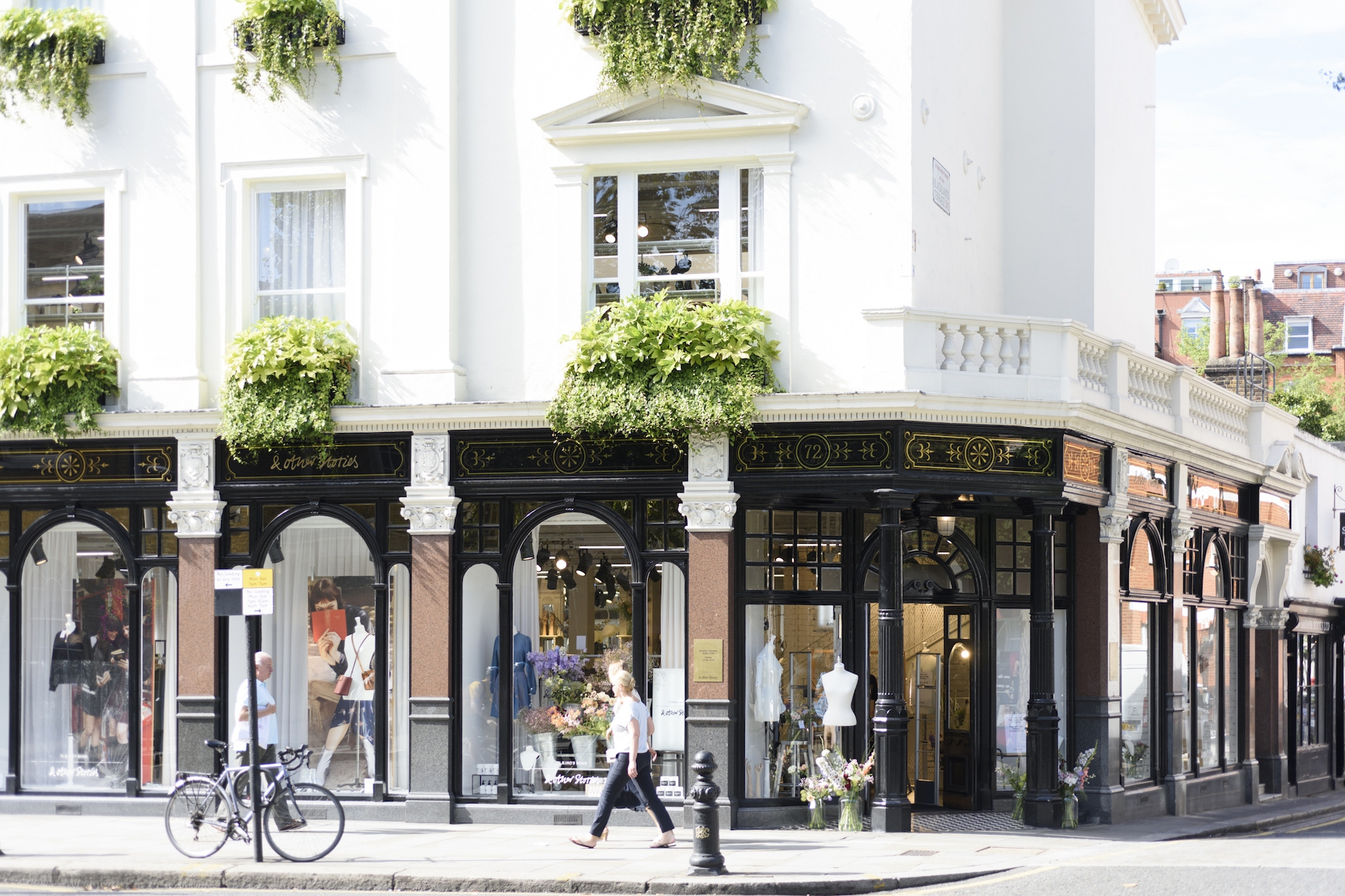
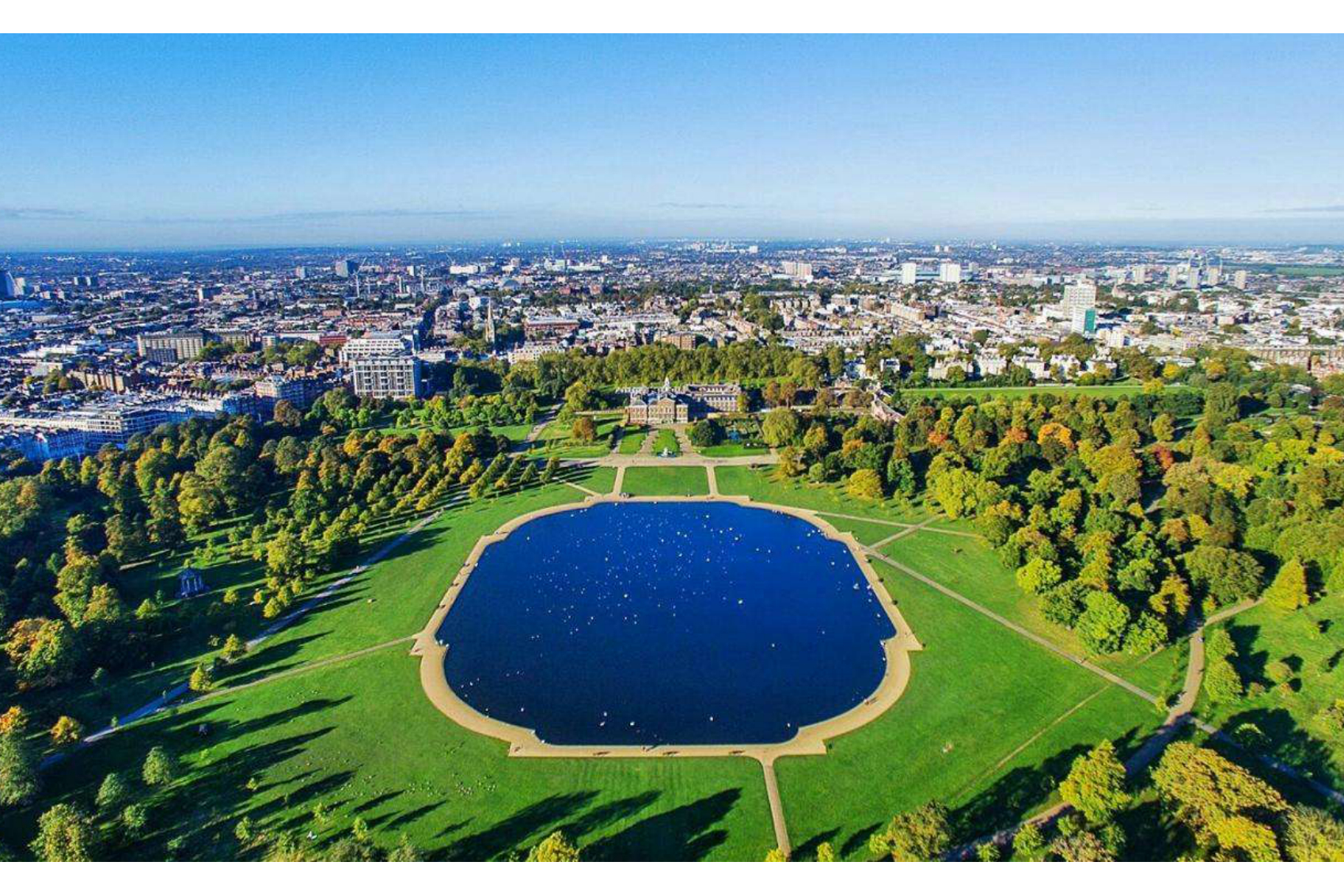
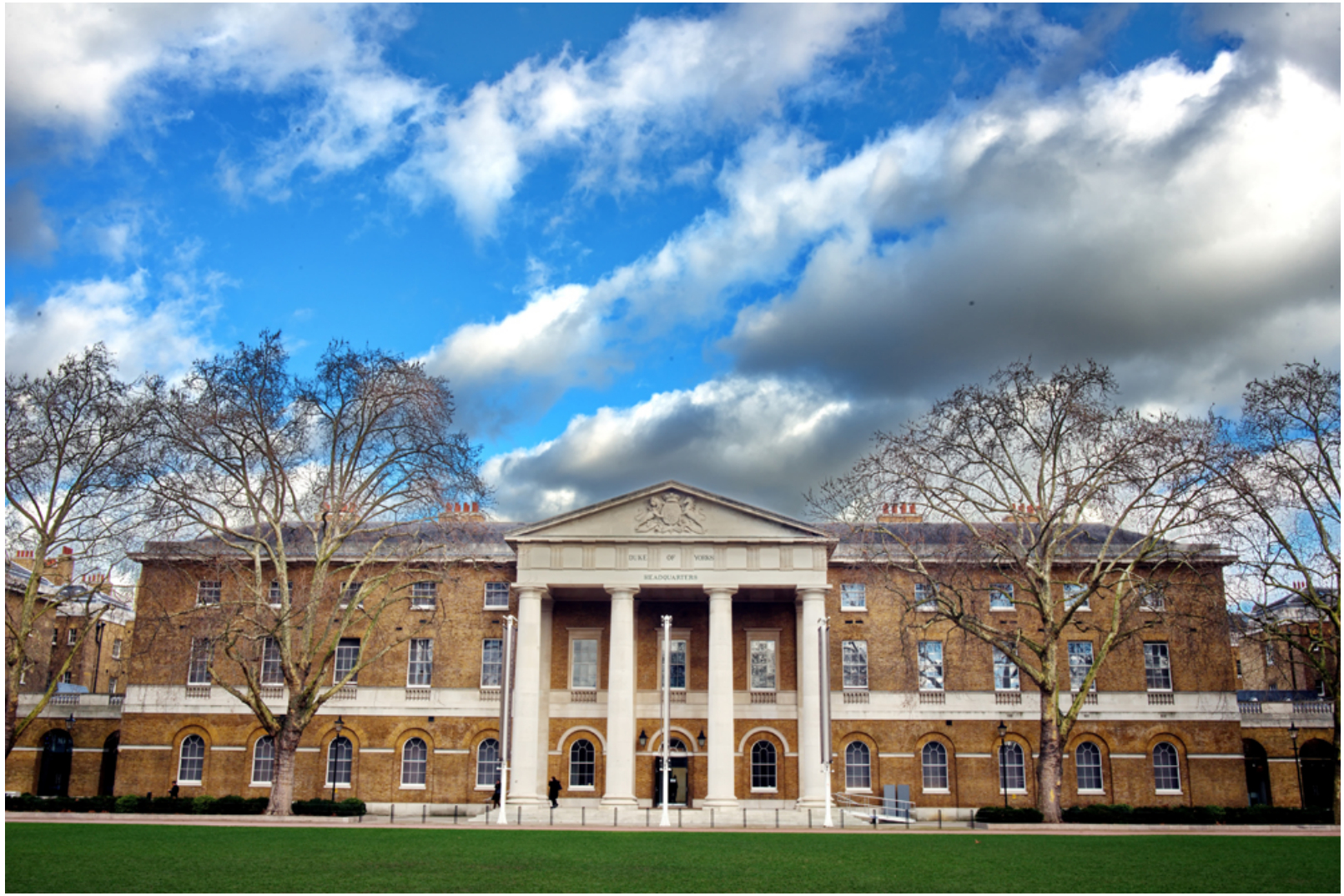
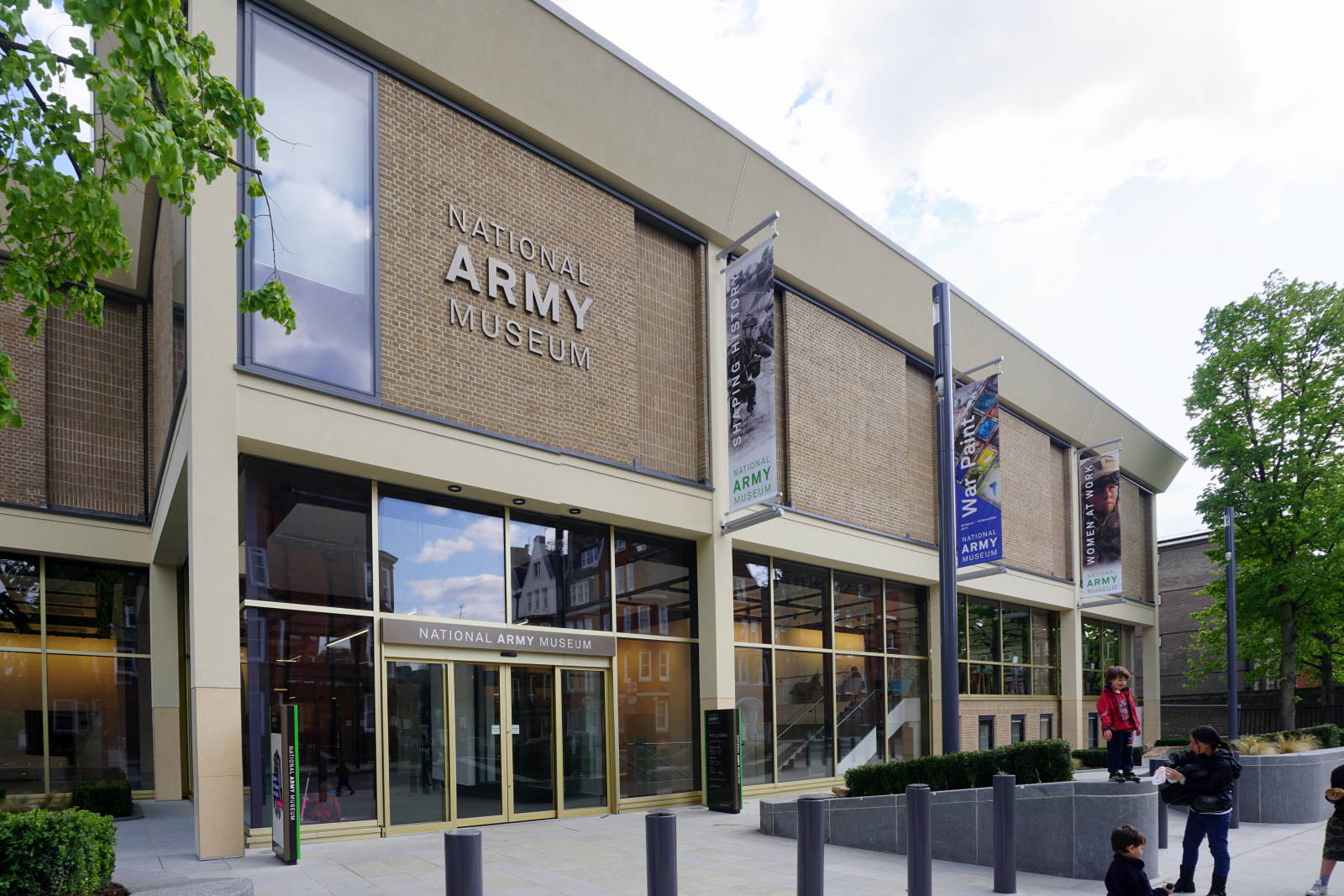
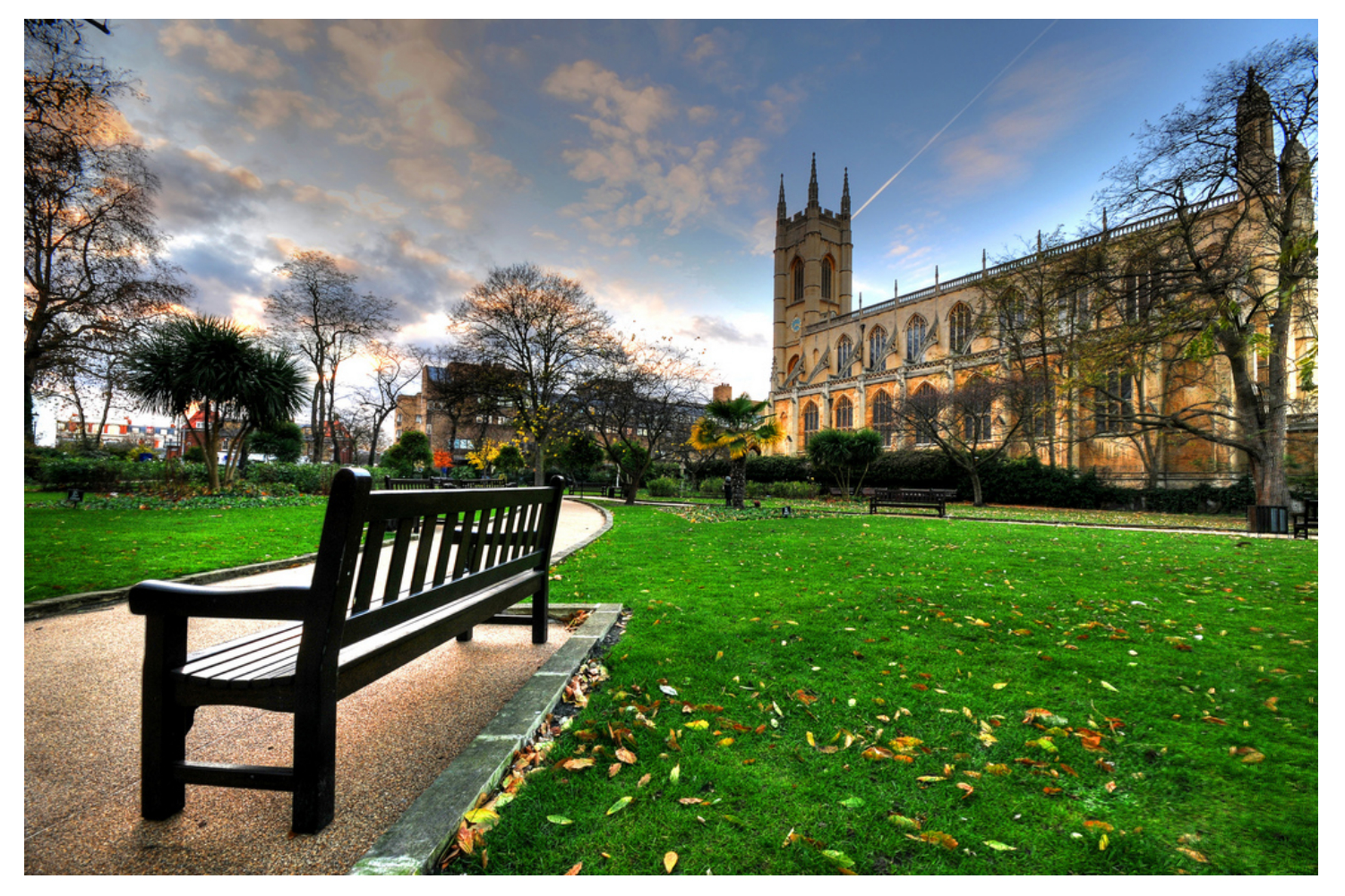
In addition to the nearby Royal College of Art and Imperial College London, this neighborhood also has the famous Saatchi Gallery and the National Army Museum, as well as more than a dozen public parks. It is very suitable for living. The main commercial facilities are concentrated on King's Road, which can meet the daily needs and ensure a very comfortable living environment.
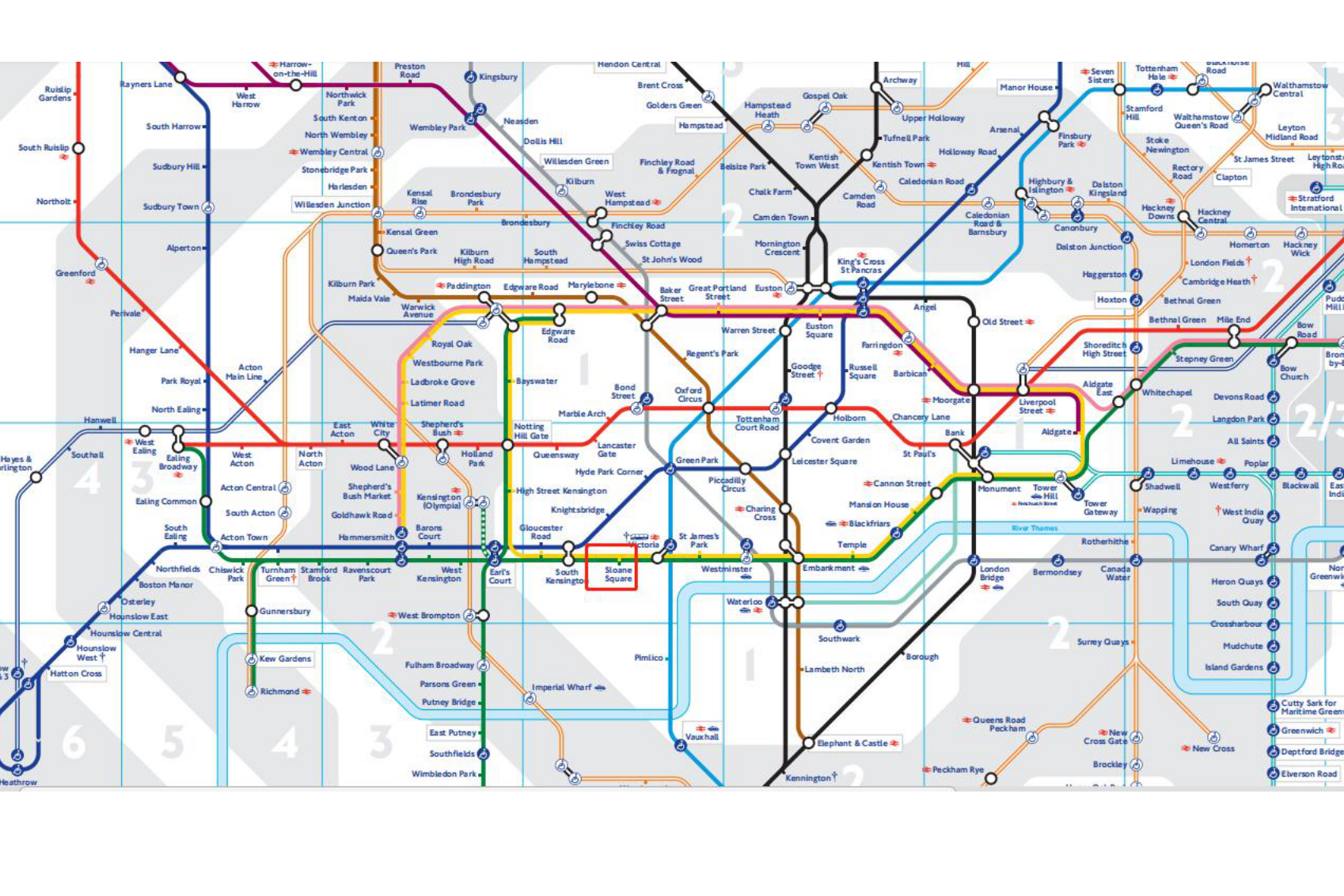
Chelsea's major commercial facilities are mainly concentrated on King's Road and Sloane Square, which borders Belgravia. Other areas are very quiet and comfortable, without any very bustling places. They are mainly residential areas.
Chelsea is located in Inner London, belonging to the West First District, north of the River Thames, and is often associated with the nearby district of Kensington.
Most of the people living in Chelsea are local high-net-worth individuals. For example, Apple has prepared separate residences for its executives here.
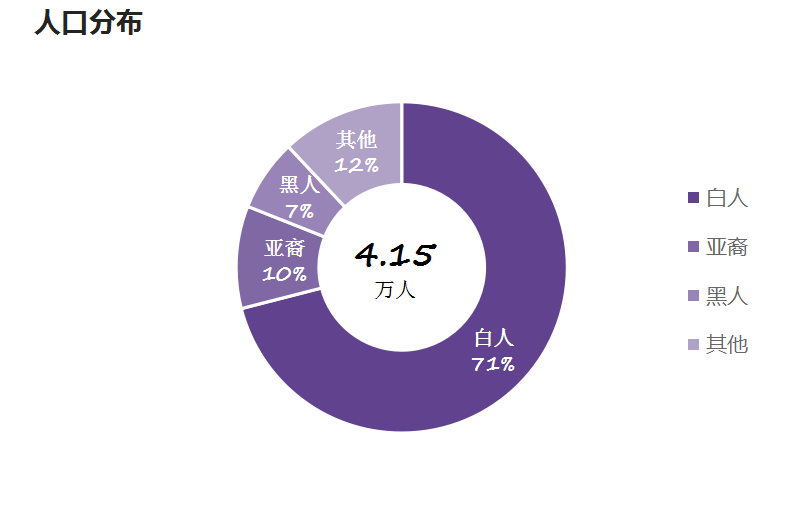
Since the Kensington and Chelsea area is one of the most densely populated areas in the UK, adjacent to the west side of the City of Westminster, it is home to several well - known museums and universities - as well as the famous department stores Harrods, Peter Jones, and Harvey Nichols. It is also an area with a large number of tourists. The crime rate in Kensington and Chelsea is 153.9 per thousand people, which makes it the third most dangerous borough in London.
Chelsea has 5 high-quality public schools and 4 private schools, among which Christ Church Primary School is the best public school and Garden Villa School is the most famous among private schools.
Built in the late 1950s, its existence is due to the unremitting efforts of Field Marshal Sir Gerald Templer. It aims to collect, preserve, and display items and records related to the British Army. Located on one side of Royal Hospital Road in the Chelsea district of London, it consists of a two - storey square building with a basement, making a total of three floors of exhibition halls. The museum's logo is two M1 field guns used by the British Army during World War II placed at the entrance.

McDonald's is a large multinational chain restaurant founded in Chicago, USA in 1955, with approximately 30000 branches worldwide. We mainly sell hamburgers, as well as fast food such as french fries, fried chicken, soda, ice cream, salads, fruits, etc. McDonald's is located in 119 countries across six continents, with approximately 32000 branches, representing an American way of life in many countries.
Chelsea has great art galleries and museums, and during leisure time, you can go for a cup of coffee and see exhibitions, which is quite comfortable.
It happens to be by the Thames River here, and living here feels very comfortable. I like to have a beautiful river view at home.
On November 27, 1974, the London unit of the Provisional Irish Republican Army detonated two bombs on Tite Street, injuring 20 people. This was an extremely rare incident in the Chelsea neighborhood.
Chelsea buns were born in the Chelsea Bun House. These round sweet buns quickly became popular among the citizens of London and even caught the attention of the royal family. Later, the Chelsea Bun House closed in 1839, but the recipe and production method of Chelsea buns were preserved, and they are still a very famous food today.
A raw silk company was established in Chelsea Park, where mulberry trees were planted and silk - worm rearing greenhouses were built. It reached its peak in 1723 and supplied silk to the then Princess of Wales.
King James I established a seminary at the location of the future Royal Hospital Chelsea (founded by King Charles II in 1682) and named it 'King James's College, Chelsea'.
King Henry VIII acquired the Chelsea Manor from Lord Sandys in 1536. Two of King Henry's wives, Catherine Parr and Anne of Cleves, lived in the manor house.
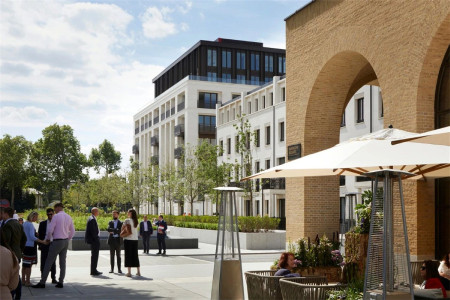
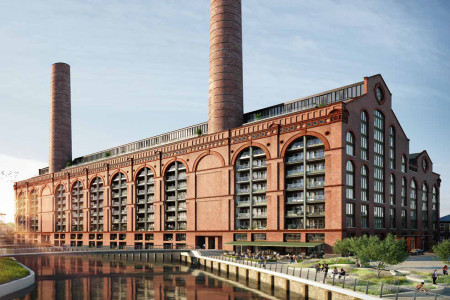
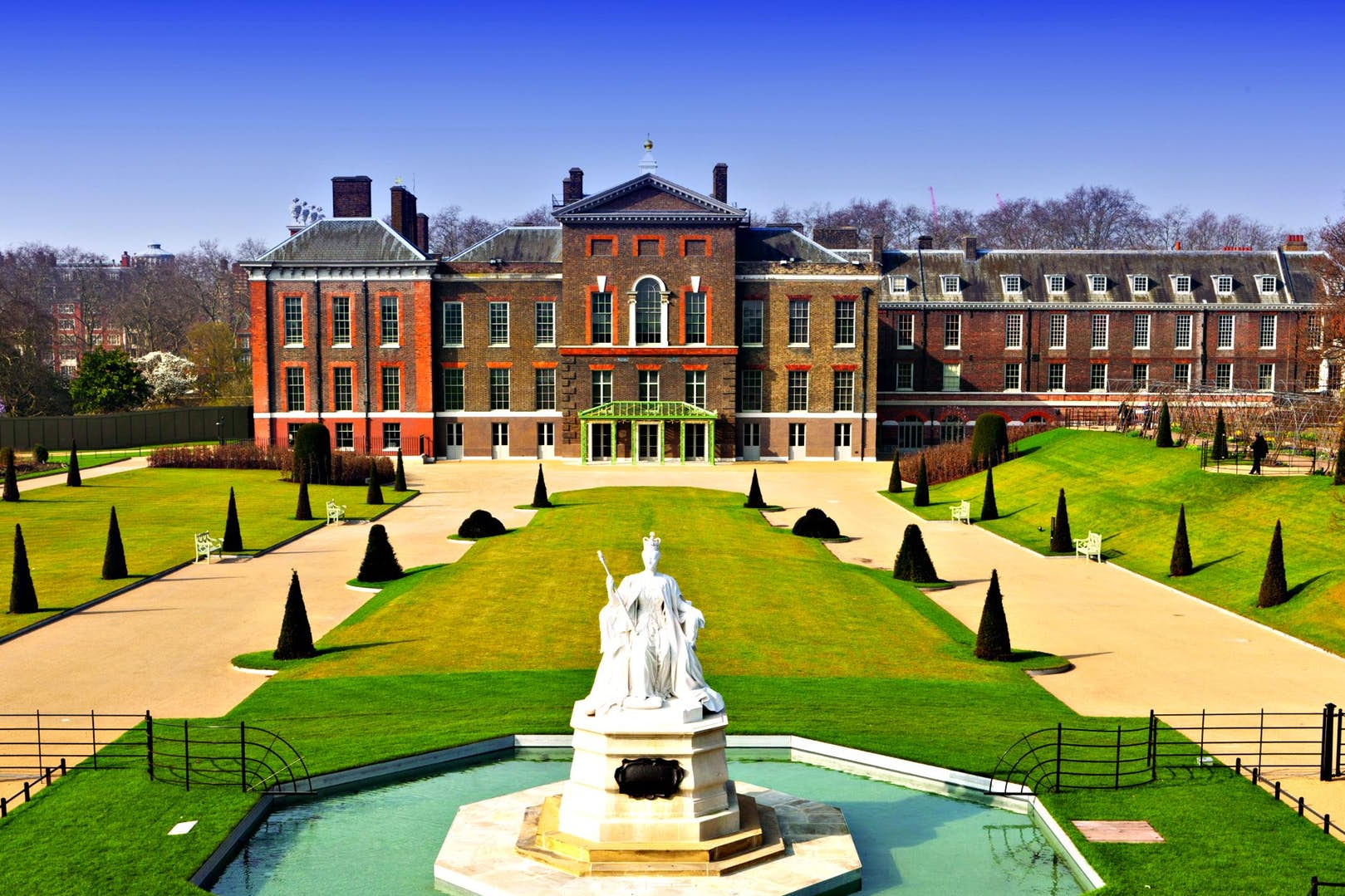
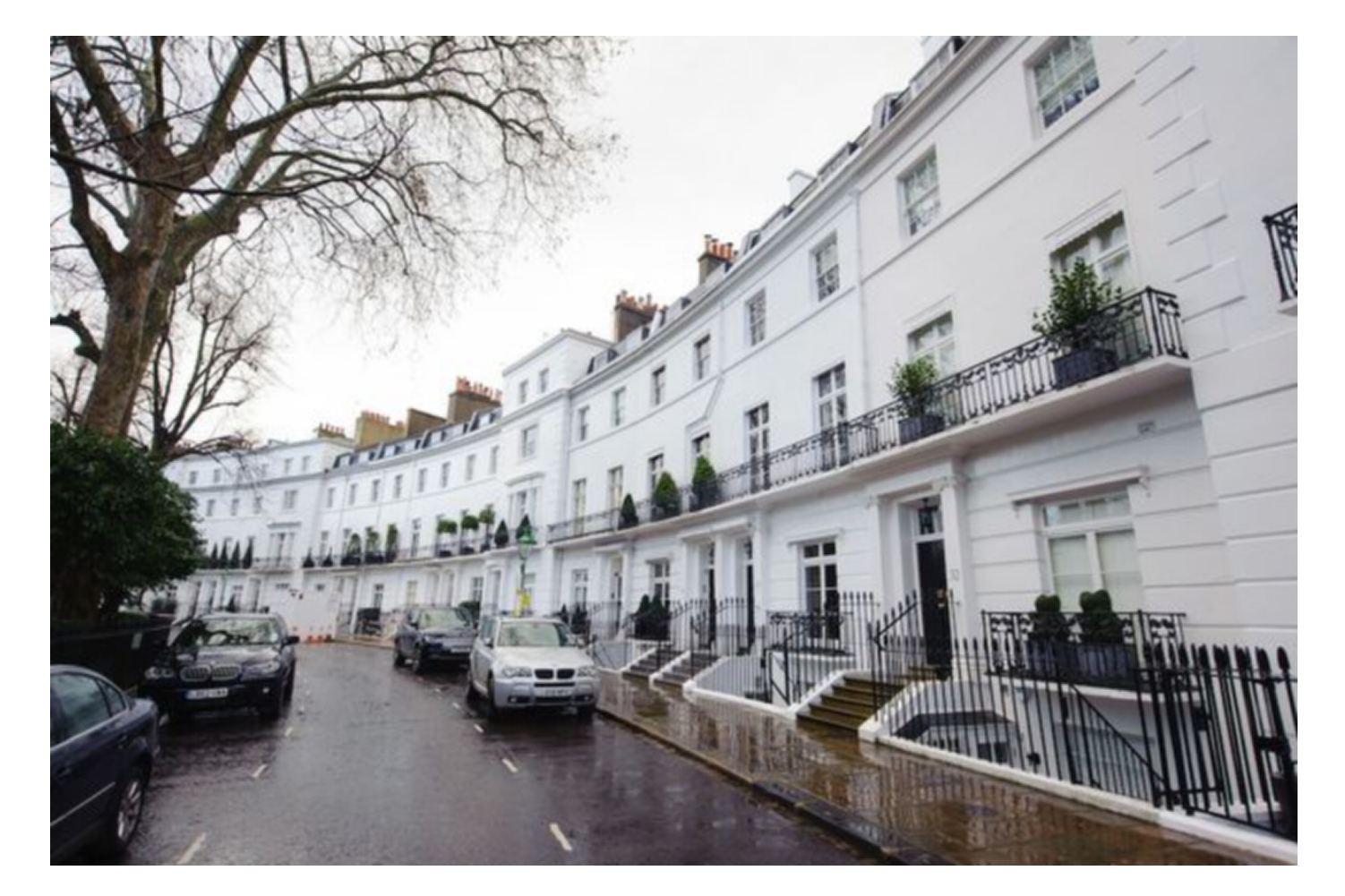
The block is mainly composed of townhouses and detached villas, with a small number of apartments, most of which are high-end luxury townhouses with a palace like appearance. Second hand housing transactions are the main market, and new houses are scarce.