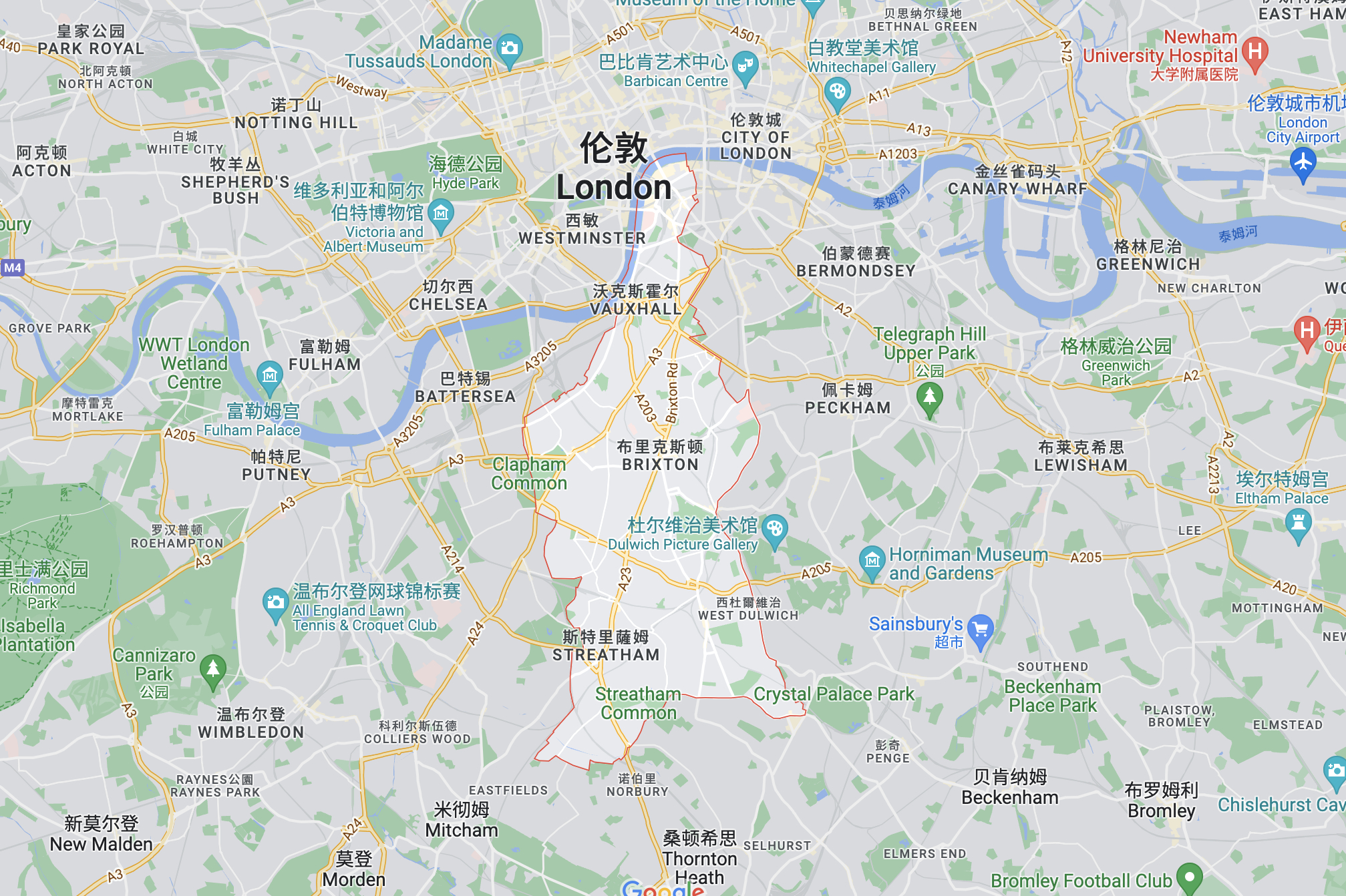

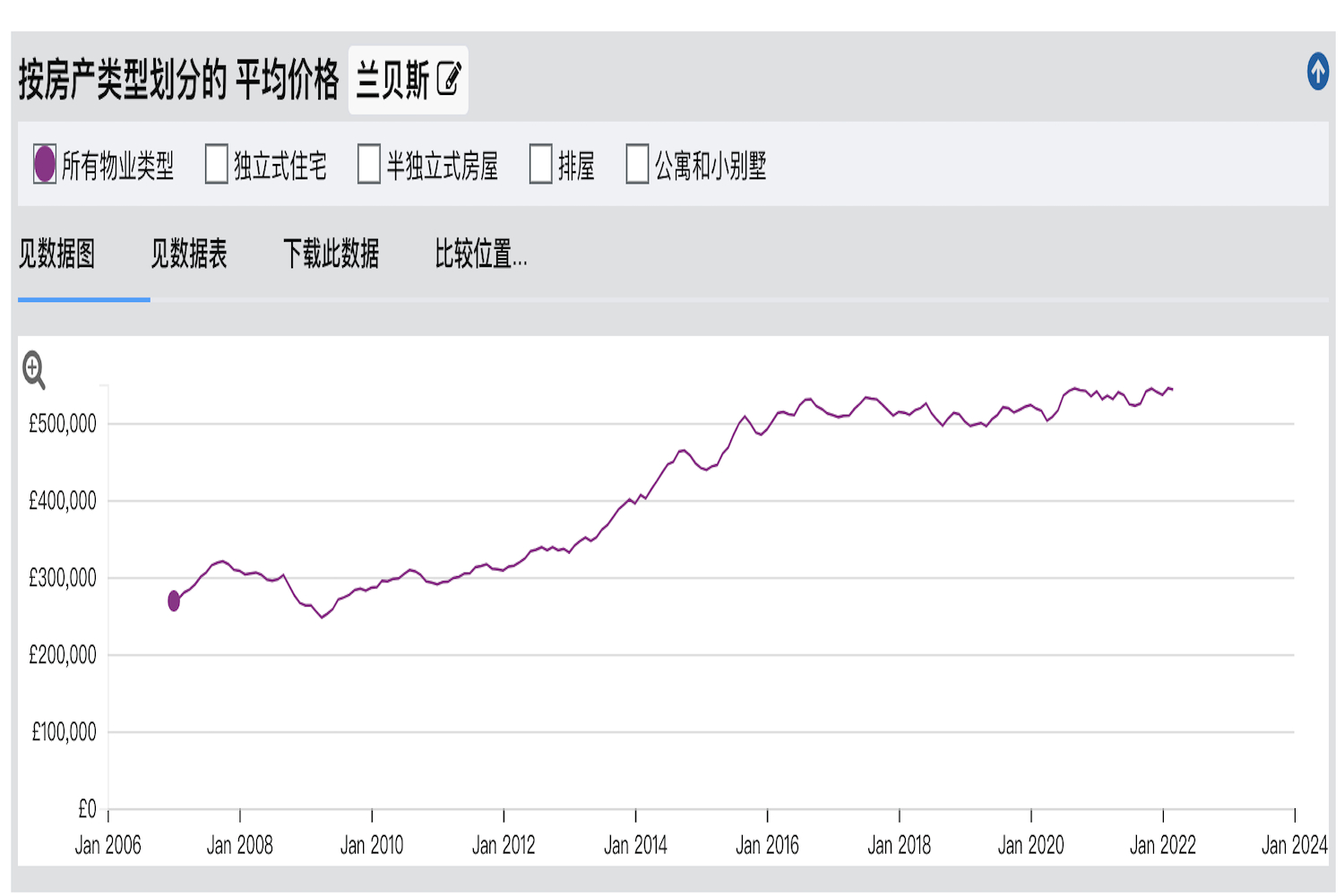
In the past decade, the average housing price in Lambeth has increased by 68%, approaching the 73% average housing price in London during the same period.
In terms of geographical location, this area is second only to several other administrative districts on the north bank of the River Thames in London. The bridge in front of Big Ben connects the Lambeth and Westminster administrative districts. If you live in the Lambeth district, you can reach the city center of London by taking the subway or bus for just a few stops.
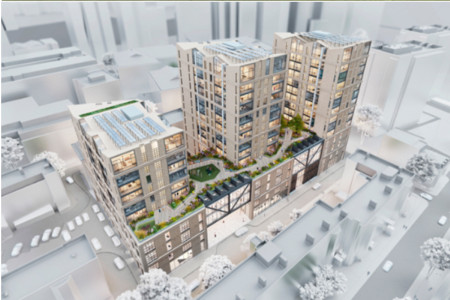
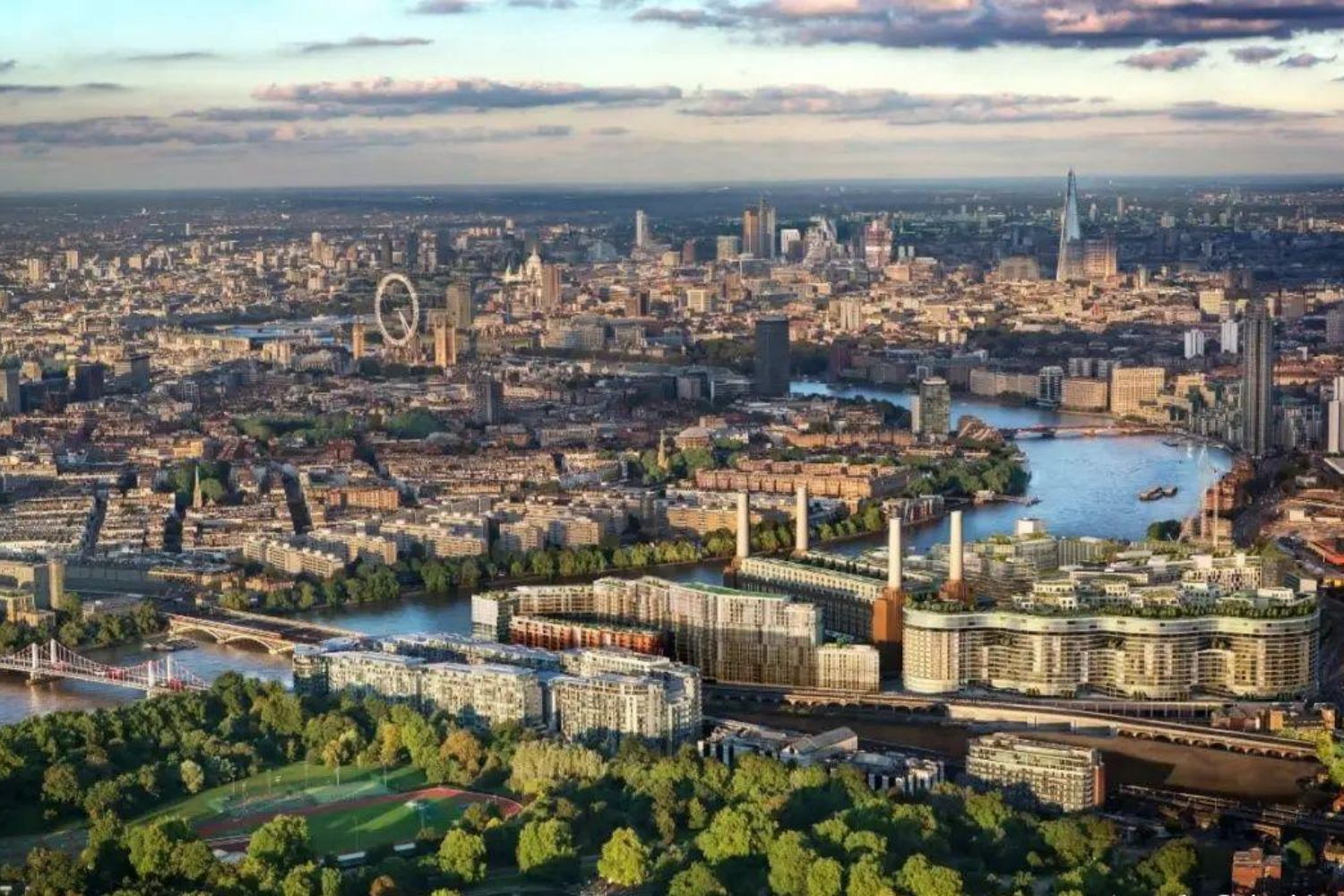
The Vauxhall, Nine Elms, and Battersea VNEB redevelopment projects were born in this area, and more high - end residential projects are under construction. Among them, the well - known one is the northern part of VNEB, the largest redevelopment area in London. It extends from Battersea Power Station in the north to Lambeth Bridge, with a total area of 195 hectares. This project will provide 18,000 residential units.
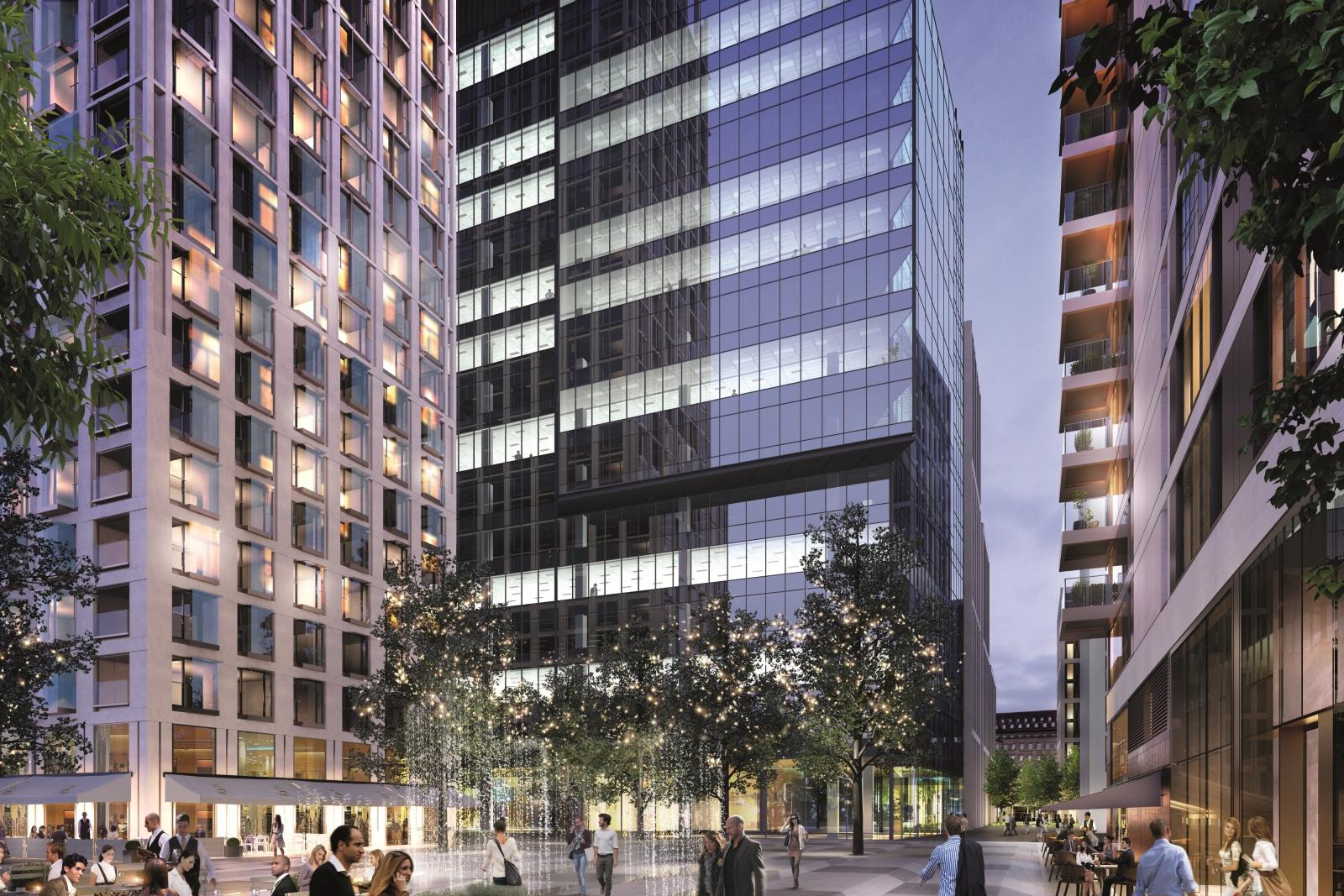
The housing price increase in this area ranks among the top in the London boroughs. According to a report by CBRE, before 2008, the price of newly built riverside housing was in the range of £500 per square foot, and now it is close to £1,500. The premium for second-hand housing transactions is 25%.
Lambeth is a district in southern London, located 1.6 kilometers south of Charing Cross.
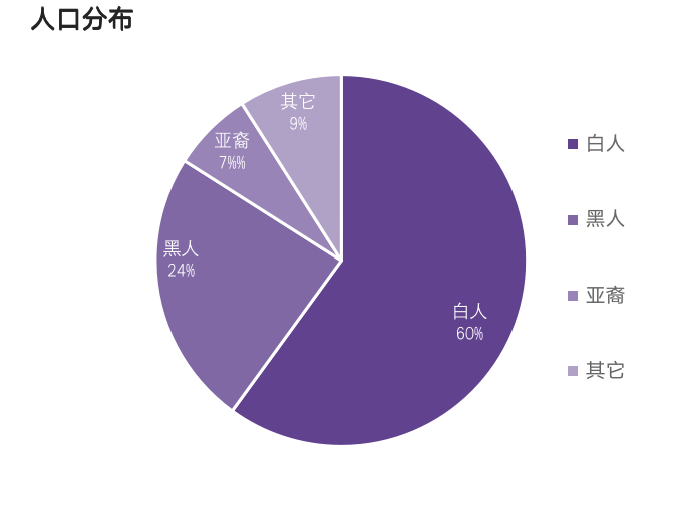
Lambeth is the fifth most densely populated area in the country, with 120 residents per hectare. Lambeth has a relatively young age structure, with a median age of 32.4 years. Although Lambeth is primarily a residential area, it is a destination for young working-age people rather than families. This is similar to Westminster and Wandsworth.
Based on the big data from 2020, relatively speaking, the safety level is considered medium. There are many new houses in the northern part of this area near the Thames River, and the public security situation is good. It is recommended to mainly consider the northern area when buying a house.
There are also many good high schools in the Lambeth area, which perform well in the A-level scores according to the Daily Telegraph. In addition, the area has a good geographical location, close to famous universities such as King's College London and South Bank University of London. Investing in school district properties here is also a good choice.
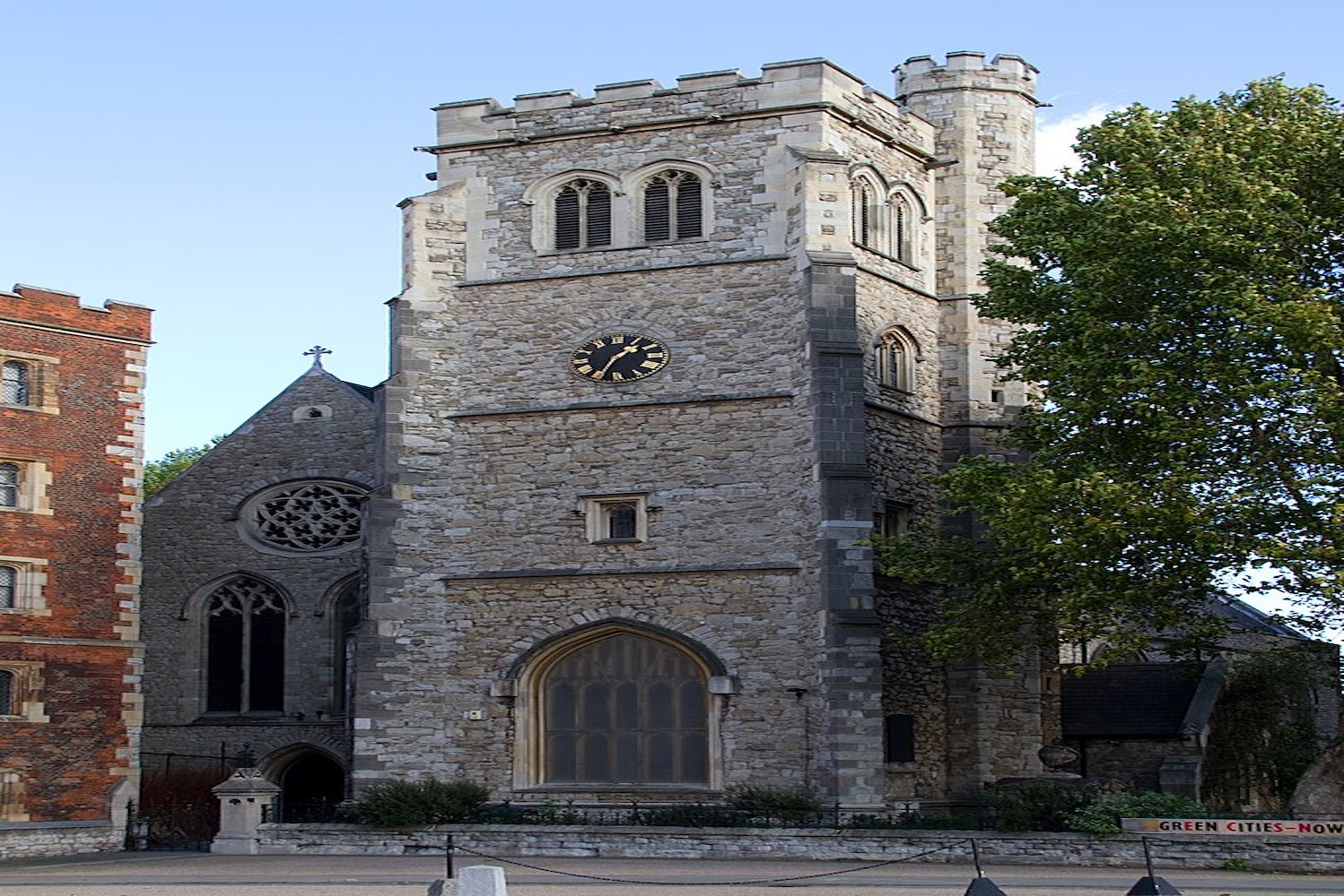
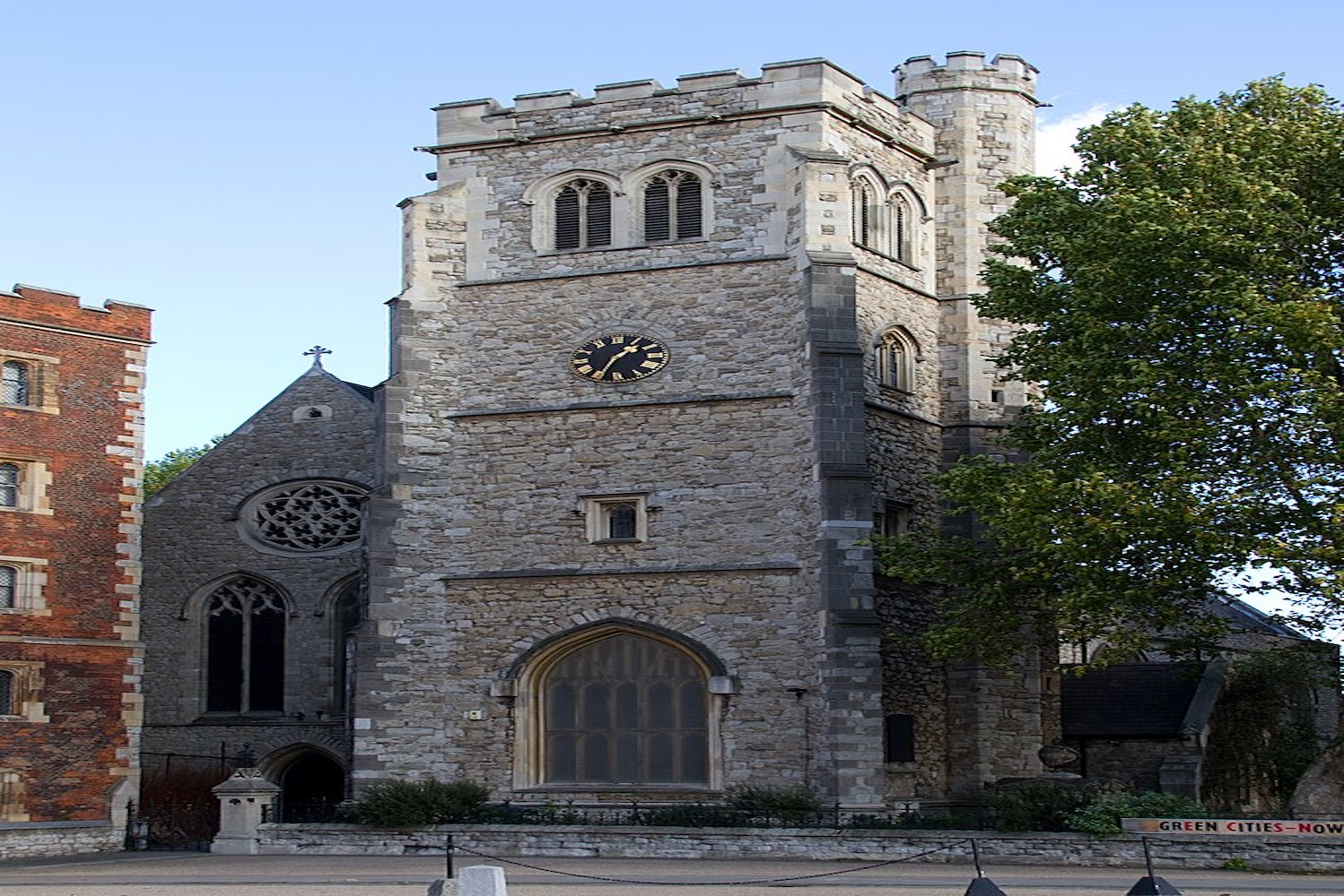
The first church on the site was built before the Norman Conquest and was an integral part of the religious center established by the Archbishop of Canterbury in the 12th century. The structure was demolished in 1972. The church is the oldest building in the London Borough of Lambeth. Apart from the basement of Lambeth Palace itself, its tombs and monuments record 950 years of community history.

The Foundation Trust is a semi autonomous organizational unit within the National Health Service in England, which is to some extent independent of the Department of Health and Social Care. As of March 2019, there were a total of 151 foundation trusts.
You can find houses within 600000 pounds in this area, with a very high cost performance ratio.
The transportation in the Lambeth area is very convenient, with several different bridges connecting the two sides, making it possible to walk to the other side or take transportation.
In the 2016 EU referendum, Lambeth cast the highest 'Remain' votes in the UK (excluding Gibraltar), with nearly 79% of residents advocating for the UK to stay in the EU.
With the large-scale urban development of London in the 19th century and the opening of the large Waterloo Station in 1848, the area around the station and the Lower Marsh area, known as Waterloo, became a district distinct from Lambeth itself.
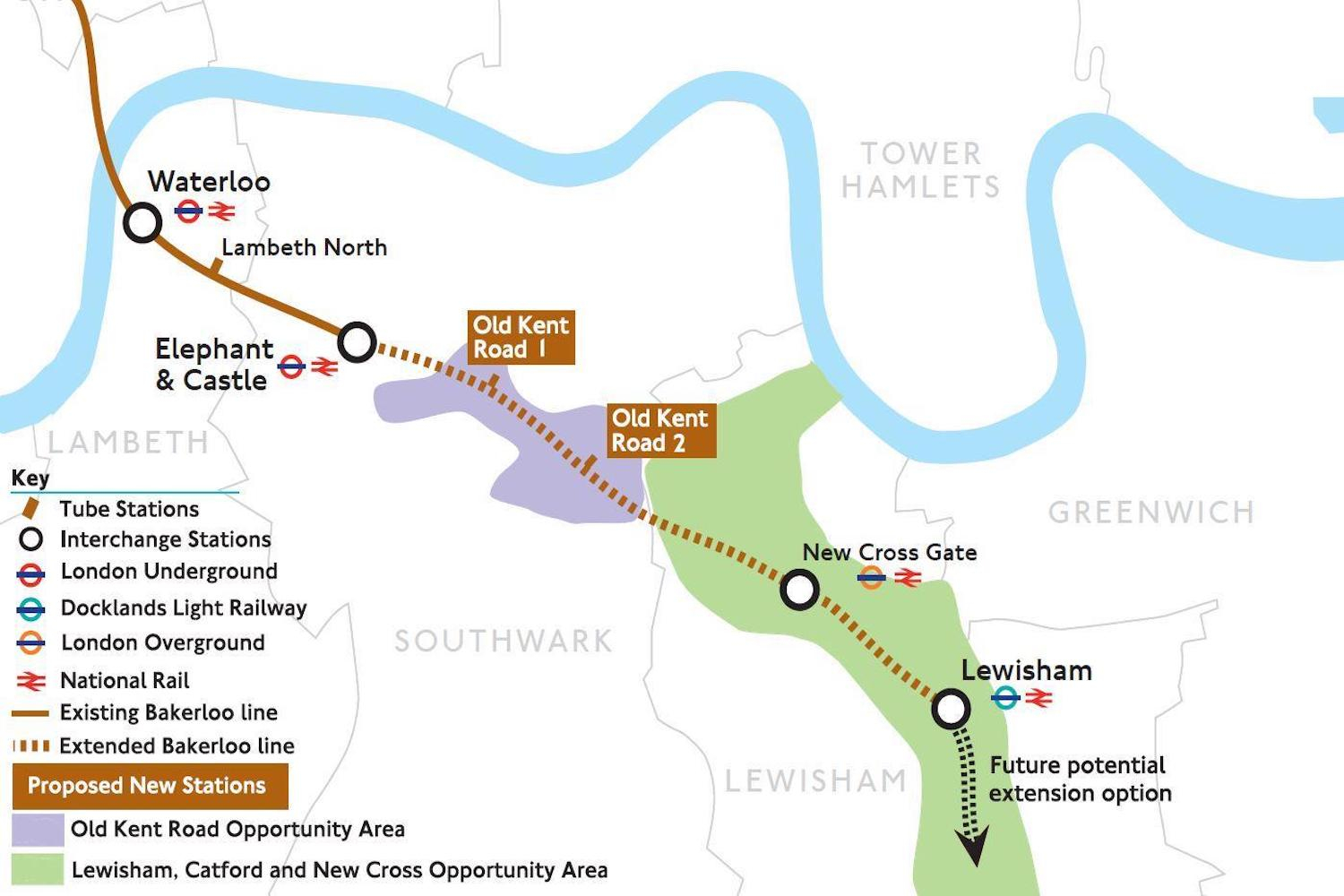
The railway first reached Lambeth in the 1840s when construction began to extend the London and South Western Railway from its original station at Nine Elms to a new terminus at London Waterloo via the newly built Nine Elms to Waterloo Viaduct.
Lambeth Palace has belonged to the Archbishop of Canterbury at least since 1190, and the archbishop led most of the development of the palace.
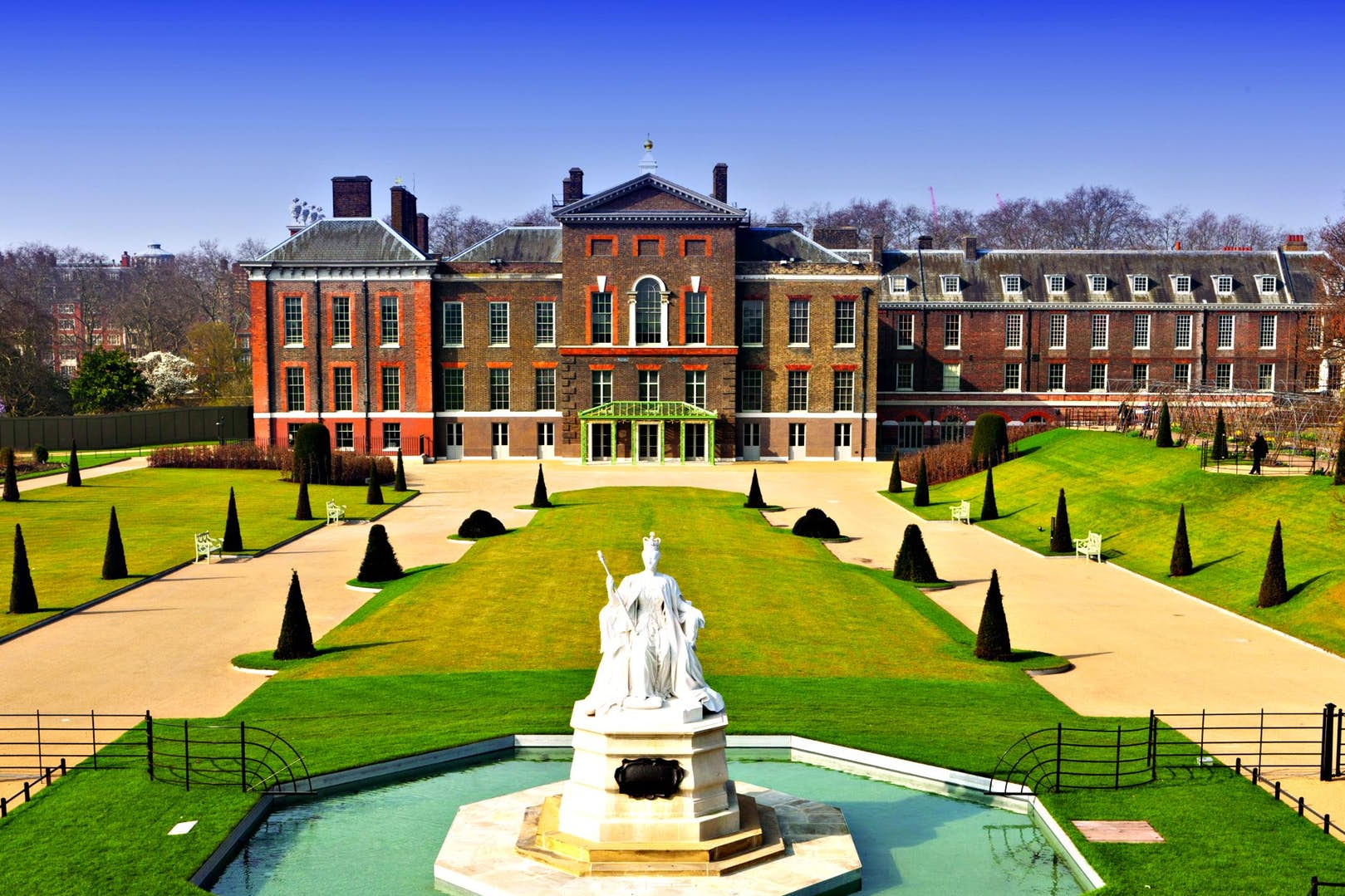
The representative buildings of Lambeth include St. Mary's Church and Lambeth Palace, which is the residence of the Archbishop of Canterbury and has been the residence of the Archbishop since the early 13th century. The oldest part of the palace is the Lanton Church and its basement, both dating back to the 13th century. Despite suffering enormous damage during World War II, they have undergone extensive repairs and restorations. The Albert Embankment was completed in 1869 and was created by Sir Joseph Bazargate, an engineer from the Metropolitan Engineering Council, forming the boundary of Lambeth.