


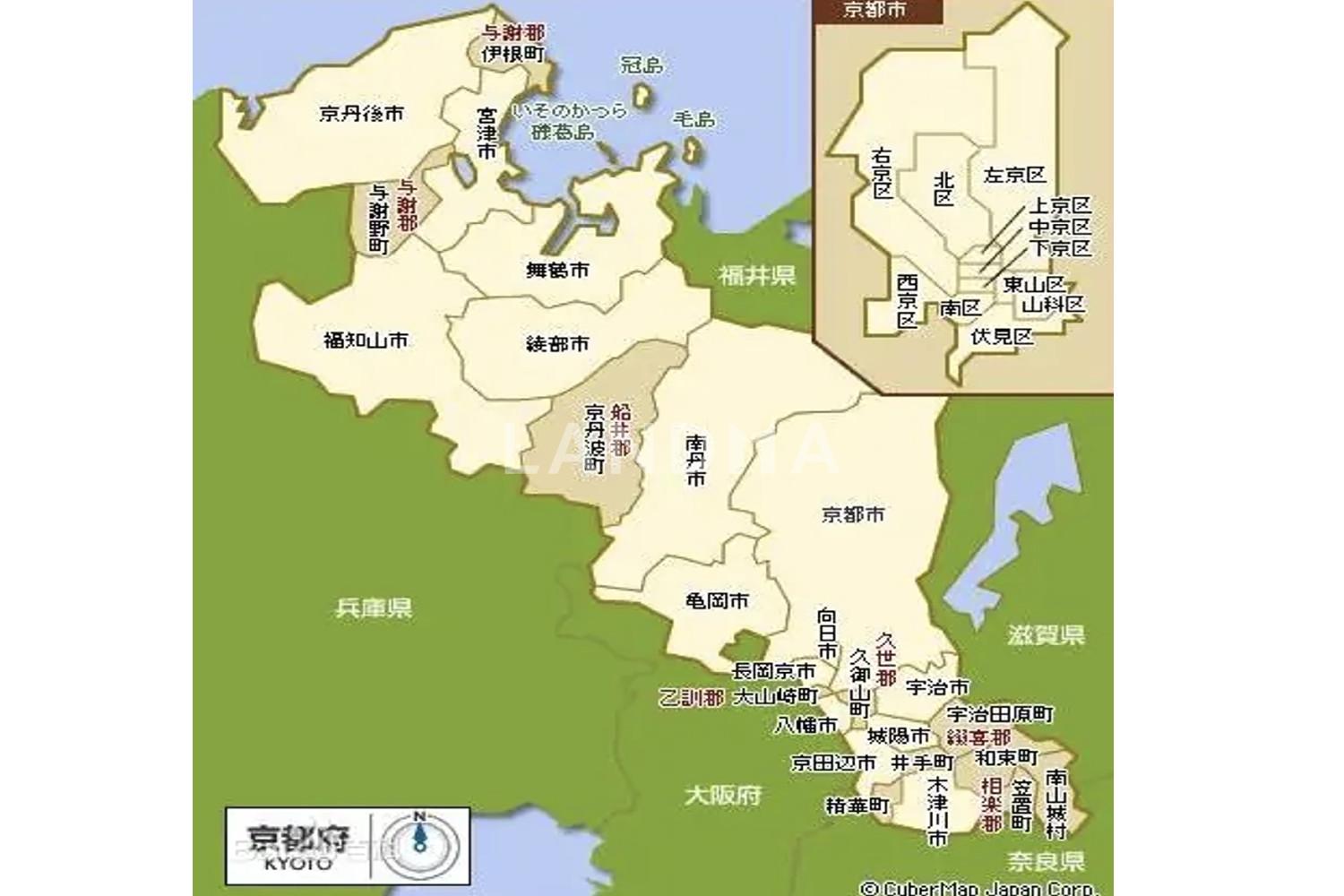

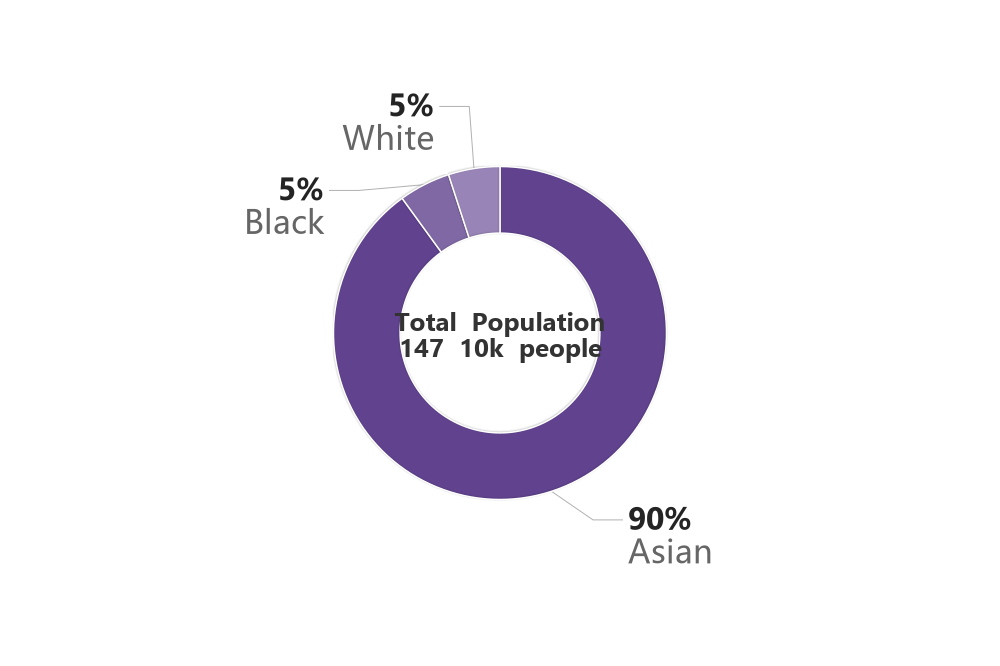
Kyoto Prefecture is located in the central part of Honshu Island in Japan. It is part of the Osaka Metropolitan Area, one of the three major metropolitan areas in Japan. It borders Fukui Prefecture, Shiga Prefecture, and Mie Prefecture to the east, Nara Prefecture to the south, and Osaka Prefecture and Hyogo Prefecture to the west. It consists of three types of terrain: the Ria-type coast at the northwestern end, the Tamba Mountains in the central part, and the Kyoto Basin in the eastern part. Kyoto City is the city with the largest land area among the cities and counties in Kyoto Prefecture. It is the seat of the Kyoto Prefectural Government and one of the designated cities by Japanese government decrees. It is also the 8th most populous city in Japan.
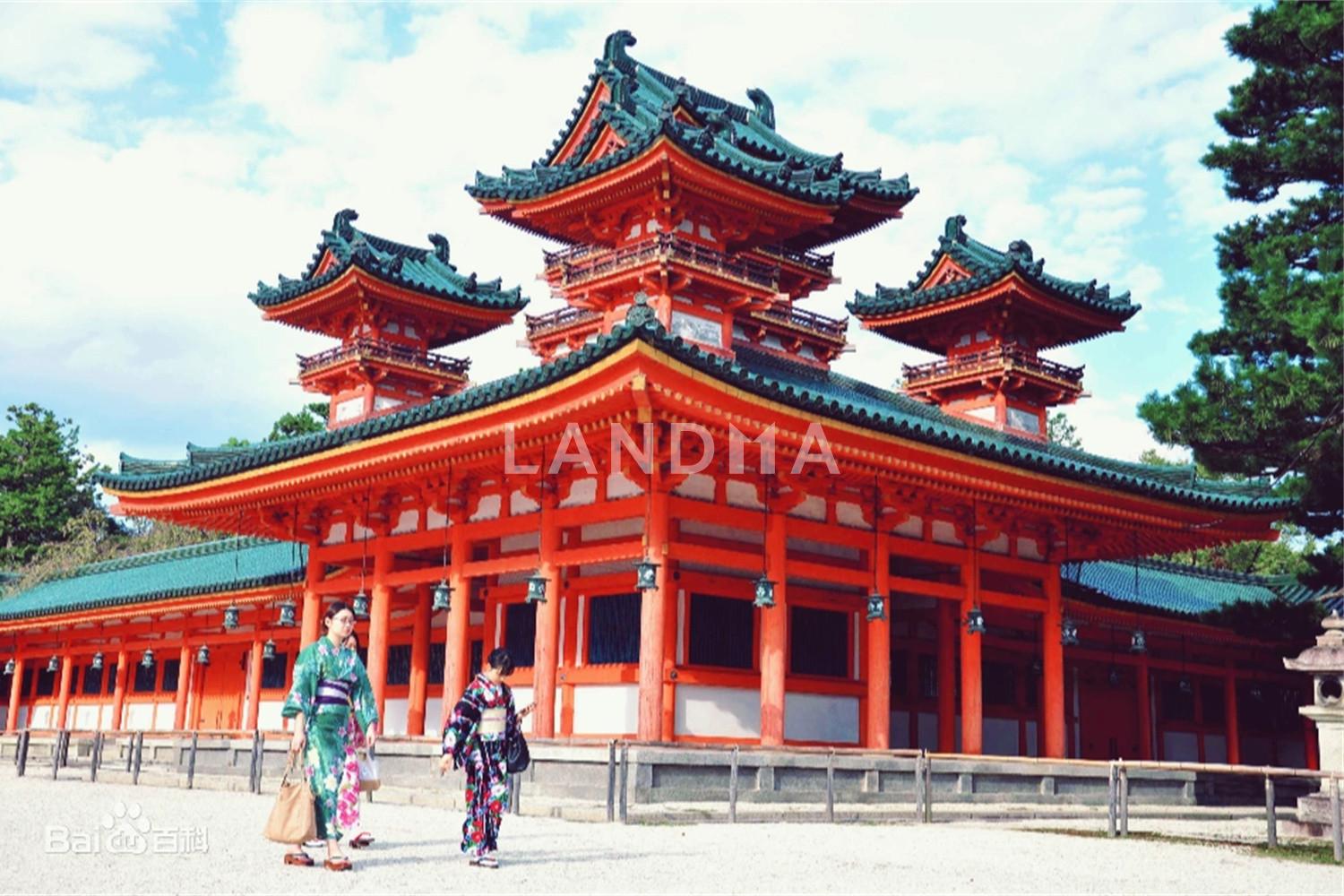
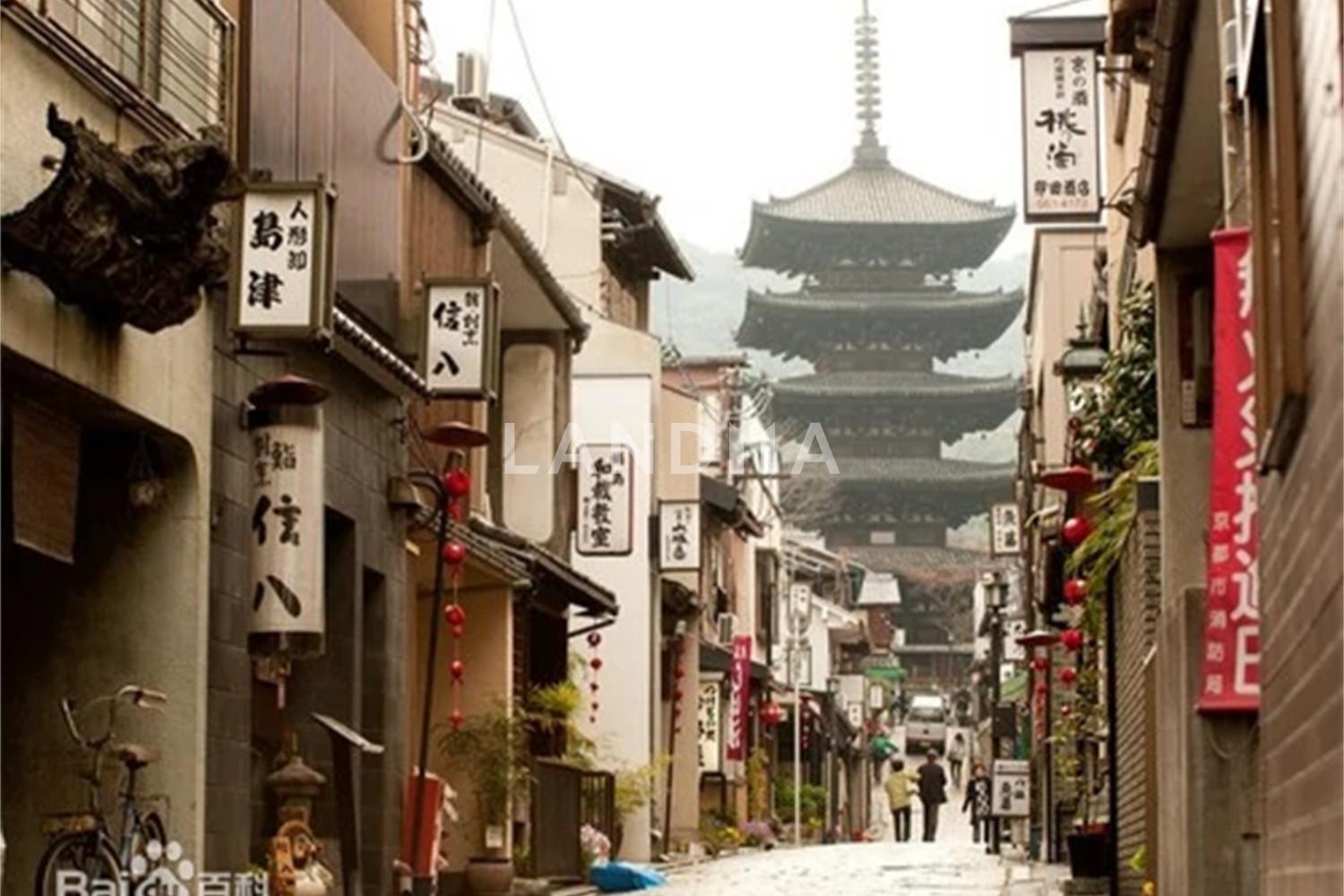
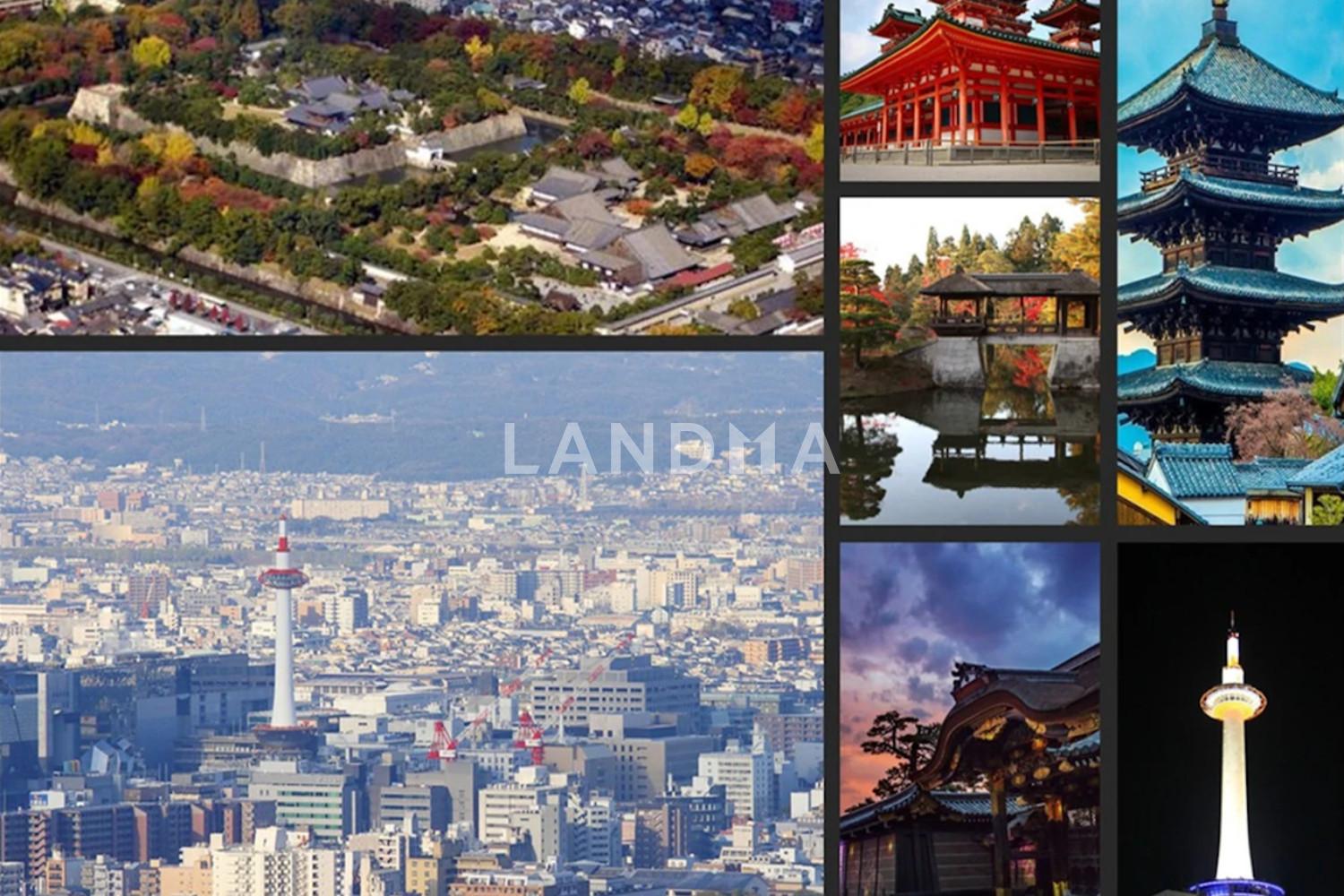
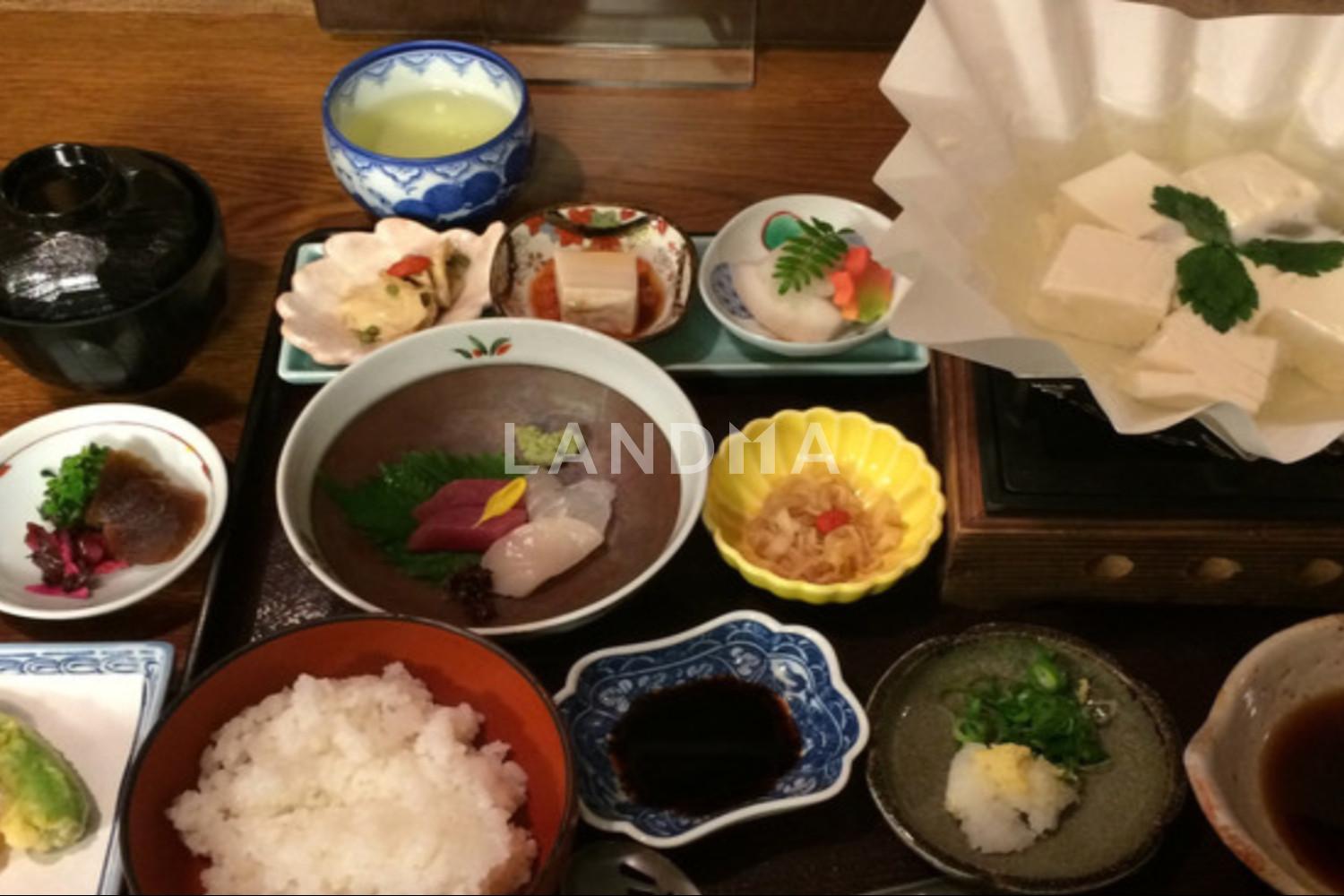
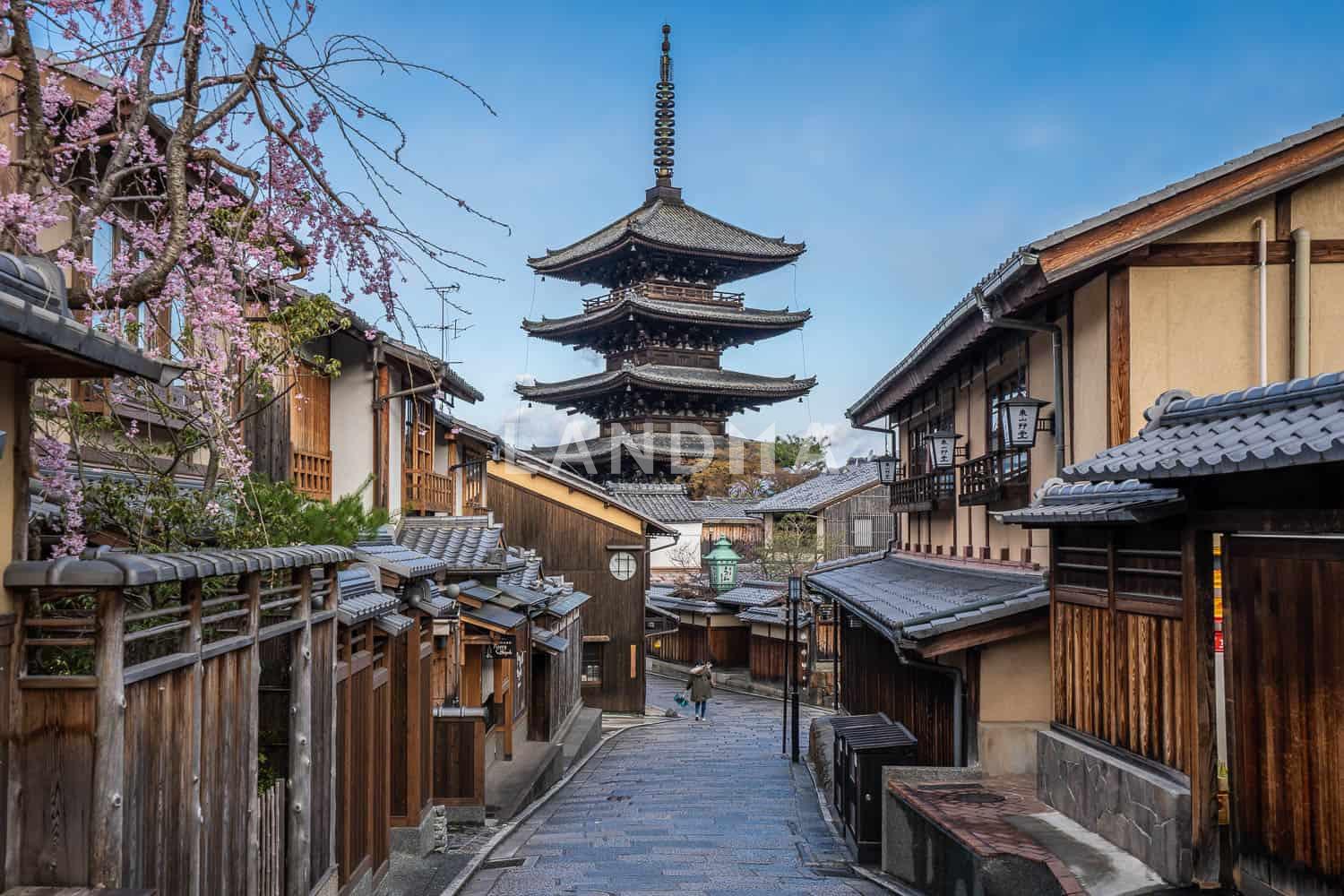
Kyoto was the capital of Japan from the 8th century until the mid-19th century, during which it flourished as the political, economic, and cultural center of Japan for approximately 1200 years. Kyoto was constructed based on the prevailing Japanese aesthetic consciousness in the culture of various dynasties, represented by historical buildings such as shrines and Buddhist pavilions, courtyards, paintings, traditional activities, and Kyoto cuisine.
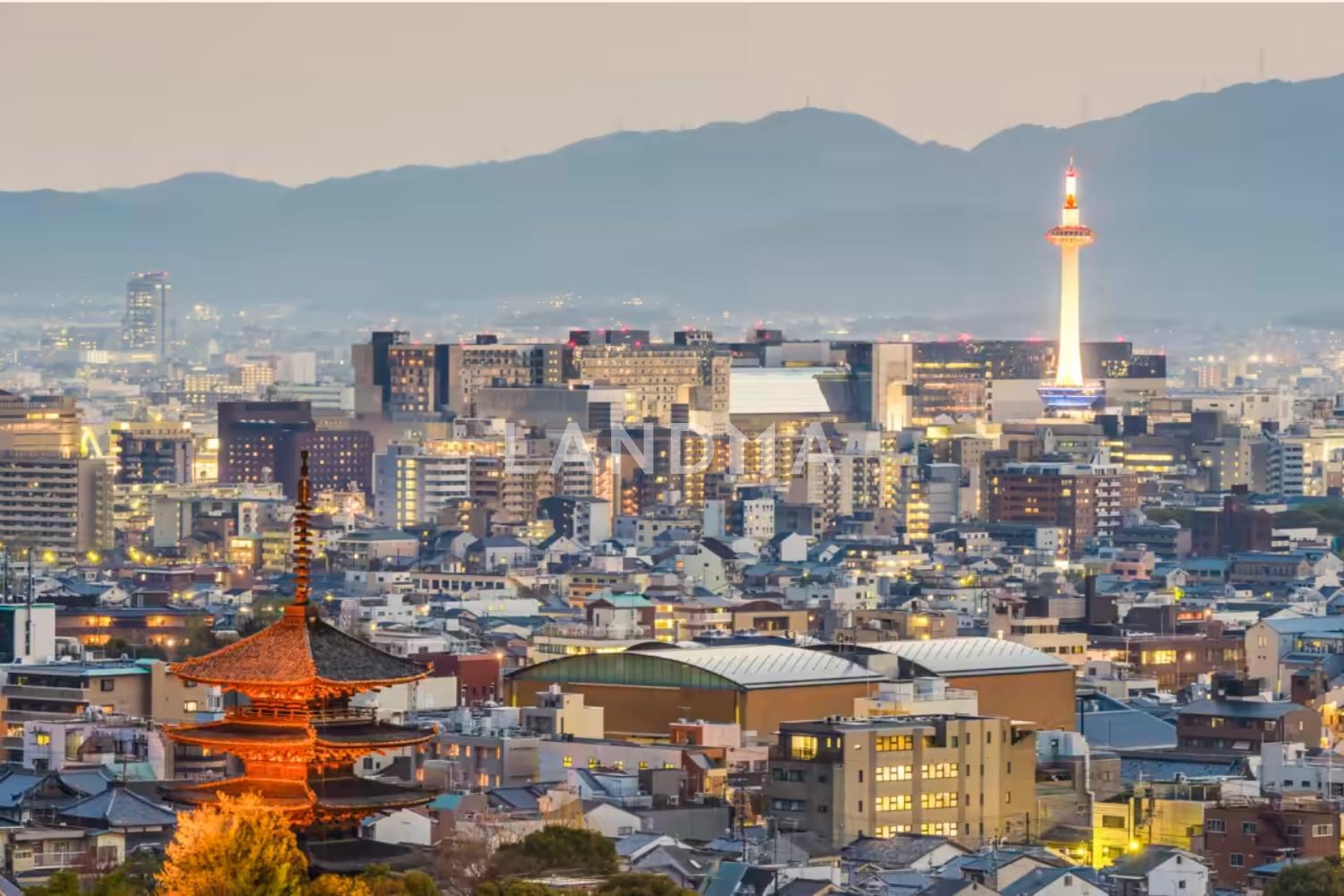

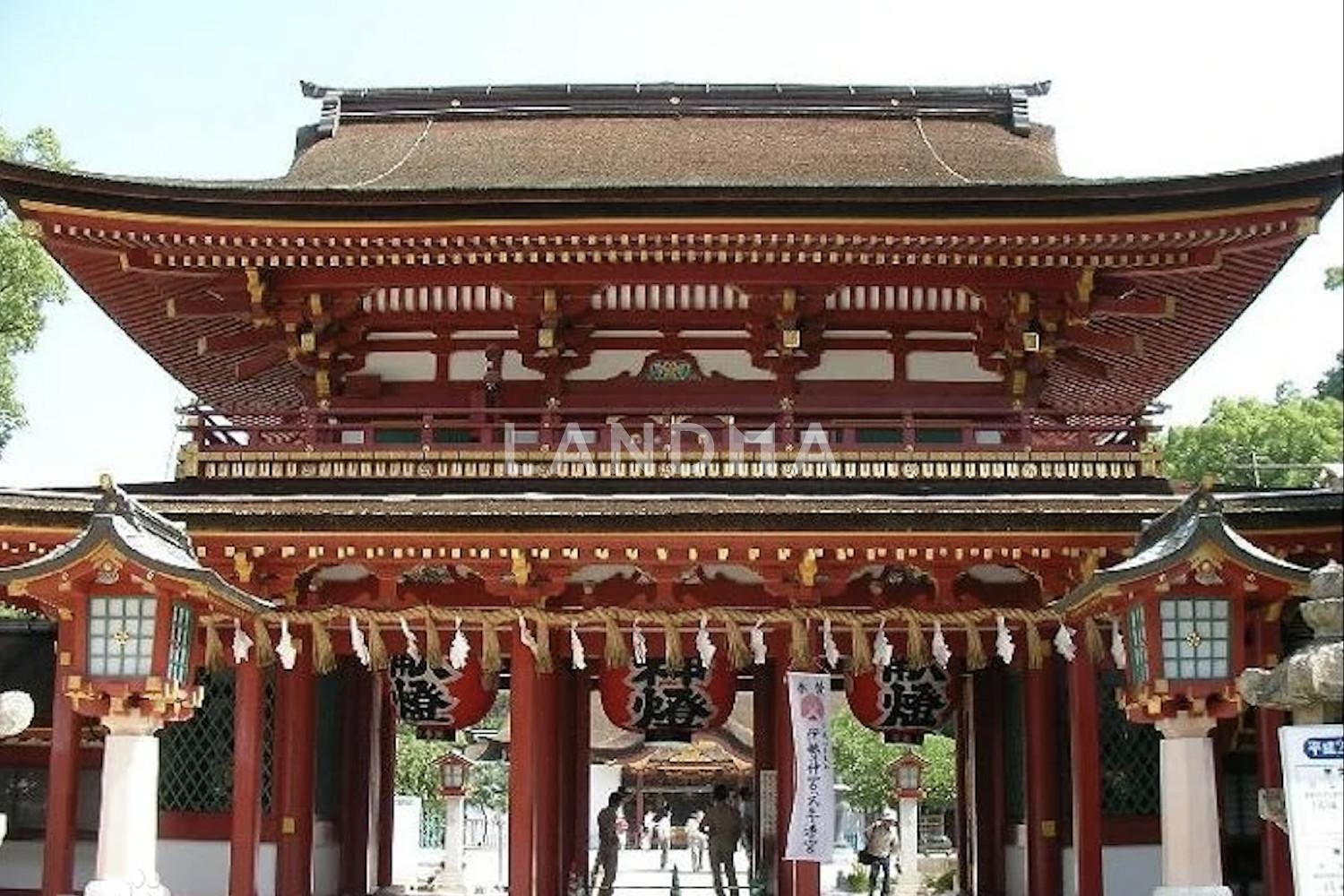
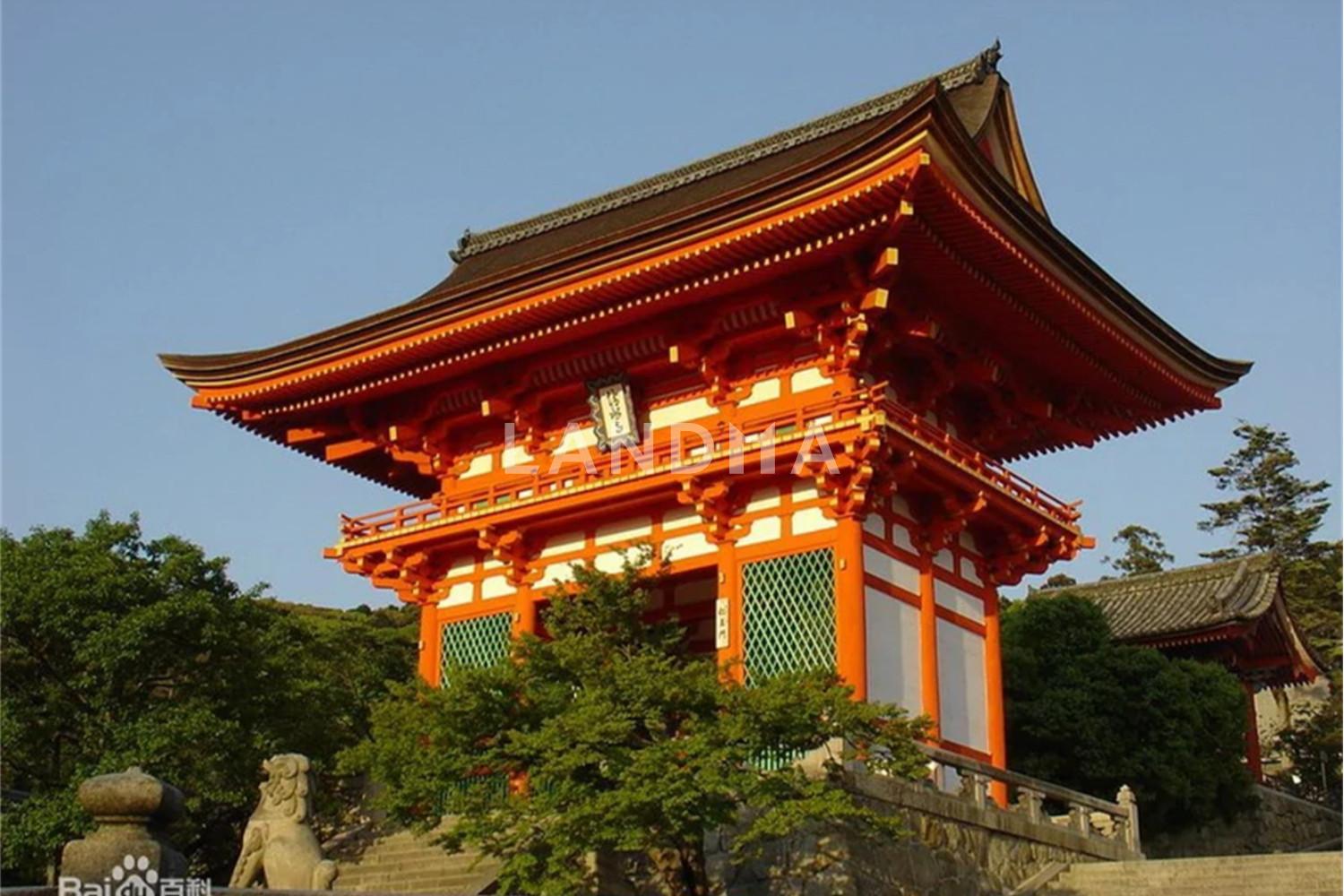
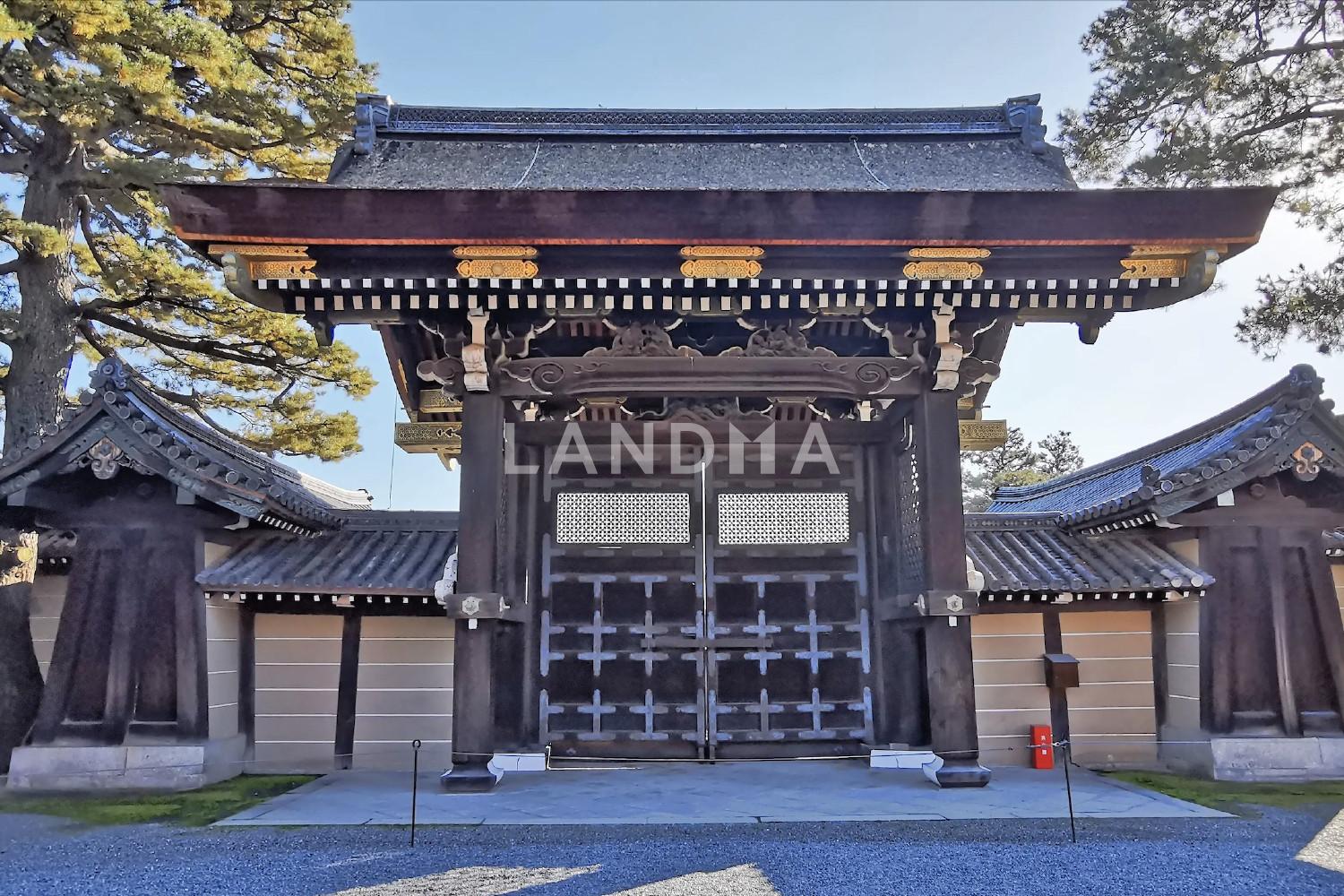
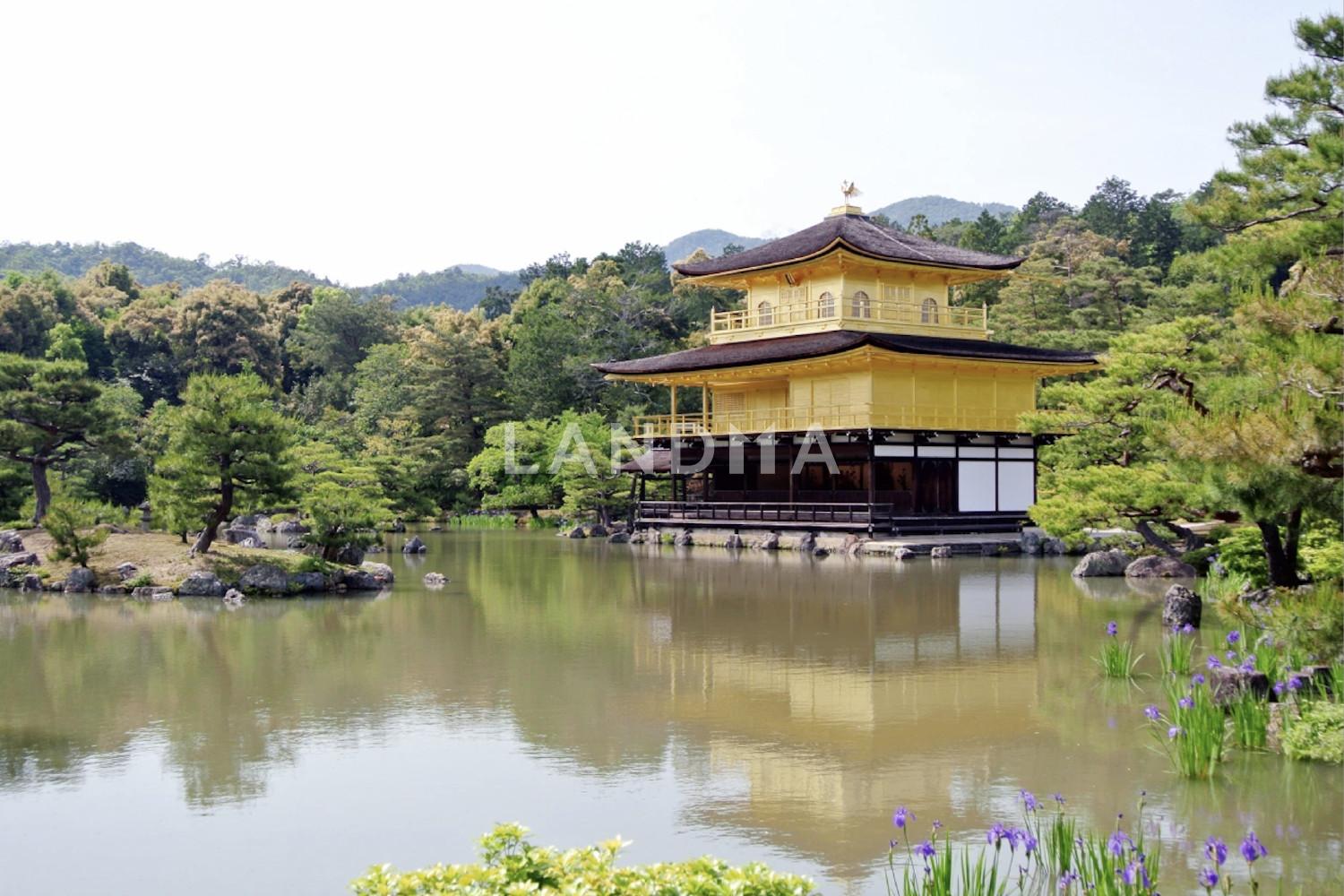
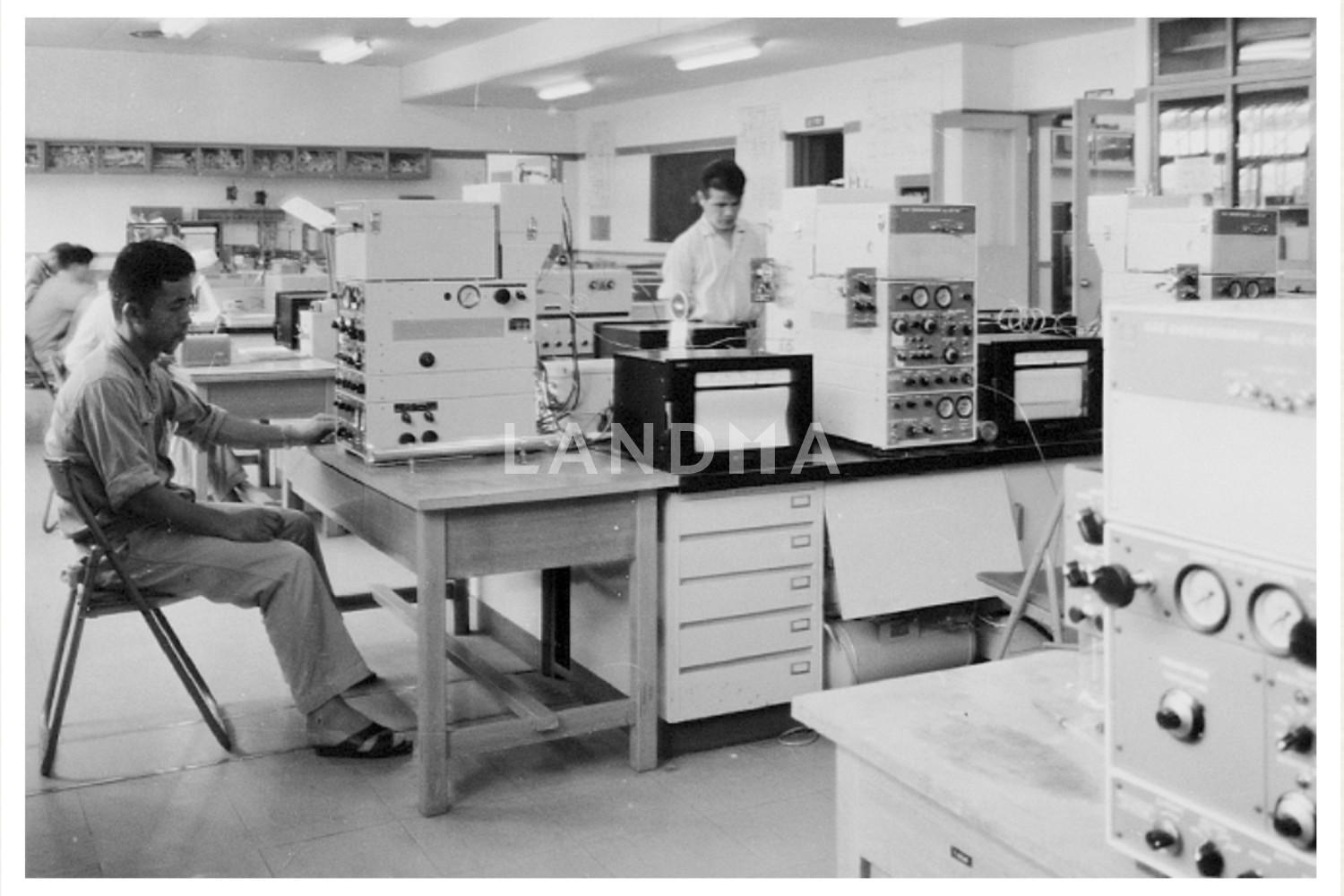
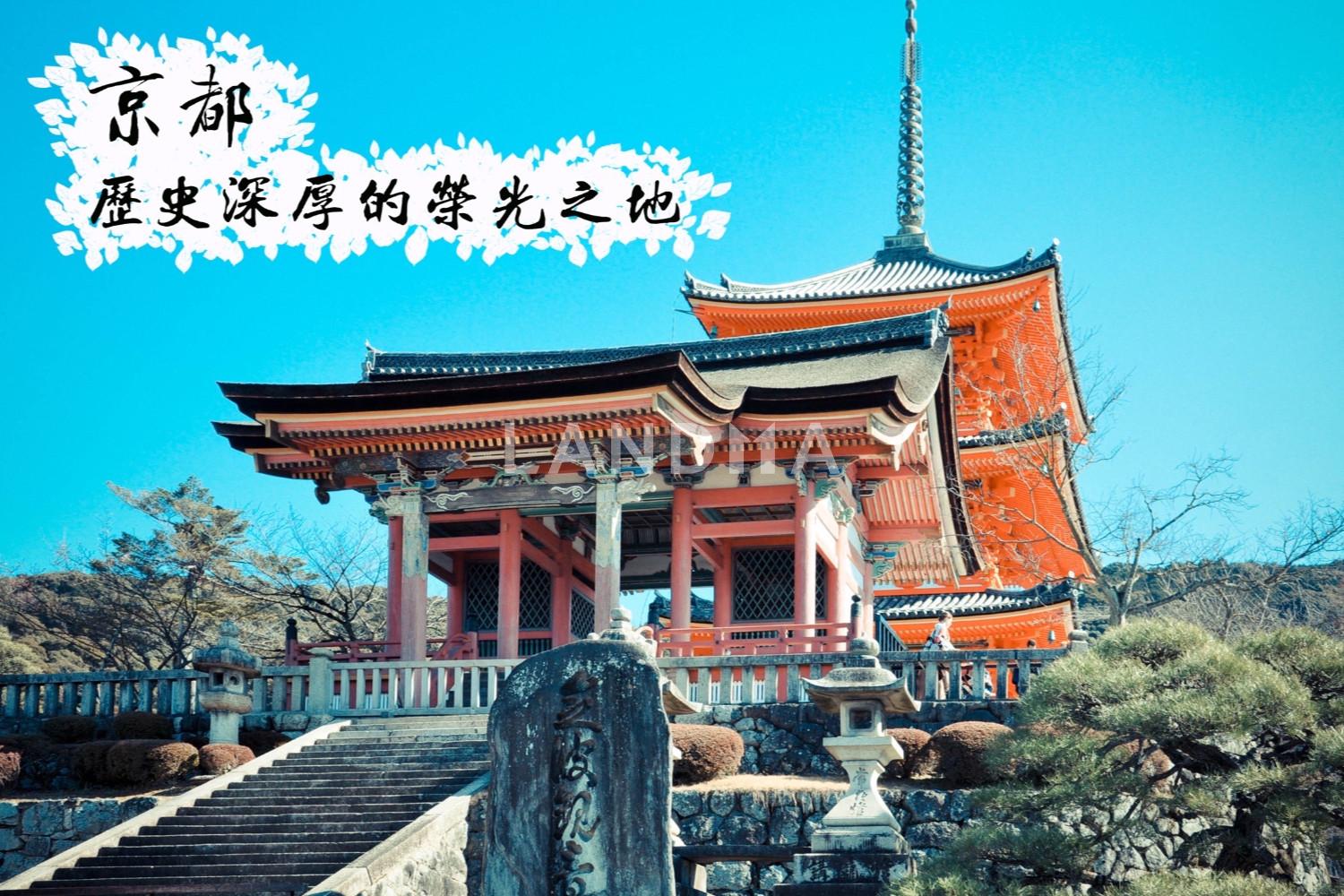
Renowned electronics companies headquartered in Kyoto include Shimadzu Productions, Horiba Productions, Kyocera, Omron, Nippon Electric, Murata Productions, Rohm Electronics, Nintendo, and others. More than 10% of the employed population in Kyoto City are engaged in the tourism industry, and the most visited tourist attractions are Kiyomizu Temple, Kinko Temple, Nijo Castle, Ginko Temple, and Kyoto Imperial Palace. The development of tourism has brought tremendous economic benefits to Kyoto.
There are a total of 123 kindergartens, 187 primary schools, 102 junior high schools, and 53 high schools in Kyoto City. Among the universities in Kyoto, Kyoto University has the longest history and the highest academic status. The second imperial university in Japan, Kyoto Imperial University, is located in Kyoto. At the same time, many private universities have been established by the public, making Kyoto one of the cities with a large number of start-up companies in Japan. The Kyoto Research Park in the west is home to a large number of start-up companies.
Due to the good preservation of the old city area, it is difficult to build new roads and parks in the city center, resulting in extremely low road and park area ratios in the central area of Kyoto, and slow progress in urban renewal. According to the Kyoto International Cultural and Tourism City Construction Law formulated in 1950, the government began to build new towns in suburban areas to solve the housing problem, and planned the area north of Kyoto Station as a preservation zone and the area south as a development zone. "
Client Testimonials
I am a new immigrant from Japan who has just obtained a visa. I brought my child to study in Kyoto and bought a 3LDK apartment for less than 40 million Japanese yen. In order to boost the housing market and enable more people to buy houses, the Japanese government encouraged some financial institutions to offer preferential loan interest rates. Therefore, I successfully obtained a bank loan to buy a house. The time was long, and I thought that in the future, I could have my own house in this quiet city and enjoy a comfortable life
City Time Zone:UTC+9
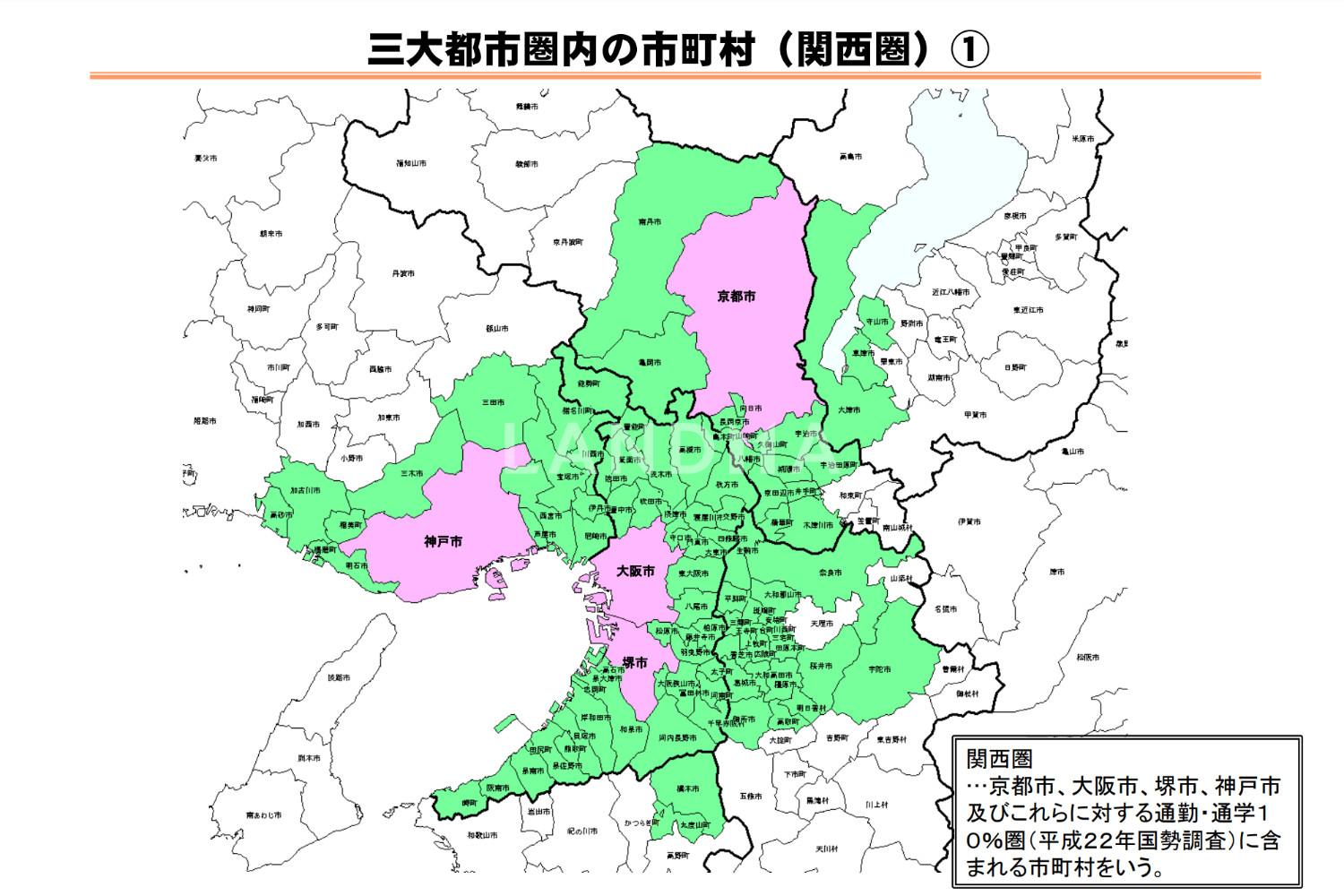
Kyoto is located in the central western part of Honshu Island, Japan, in the northern part of the Kyoto Basin. It is only 5 kilometers east of the largest lake in Japan, Lake Biwa, and is surrounded by the Danba Mountains, Biya Mountains, and Guichuan Mountains on the east, west, and north sides. The city center opens into a giant pocket shape with the Kyoto Basin to the south towards Osaka Bay.
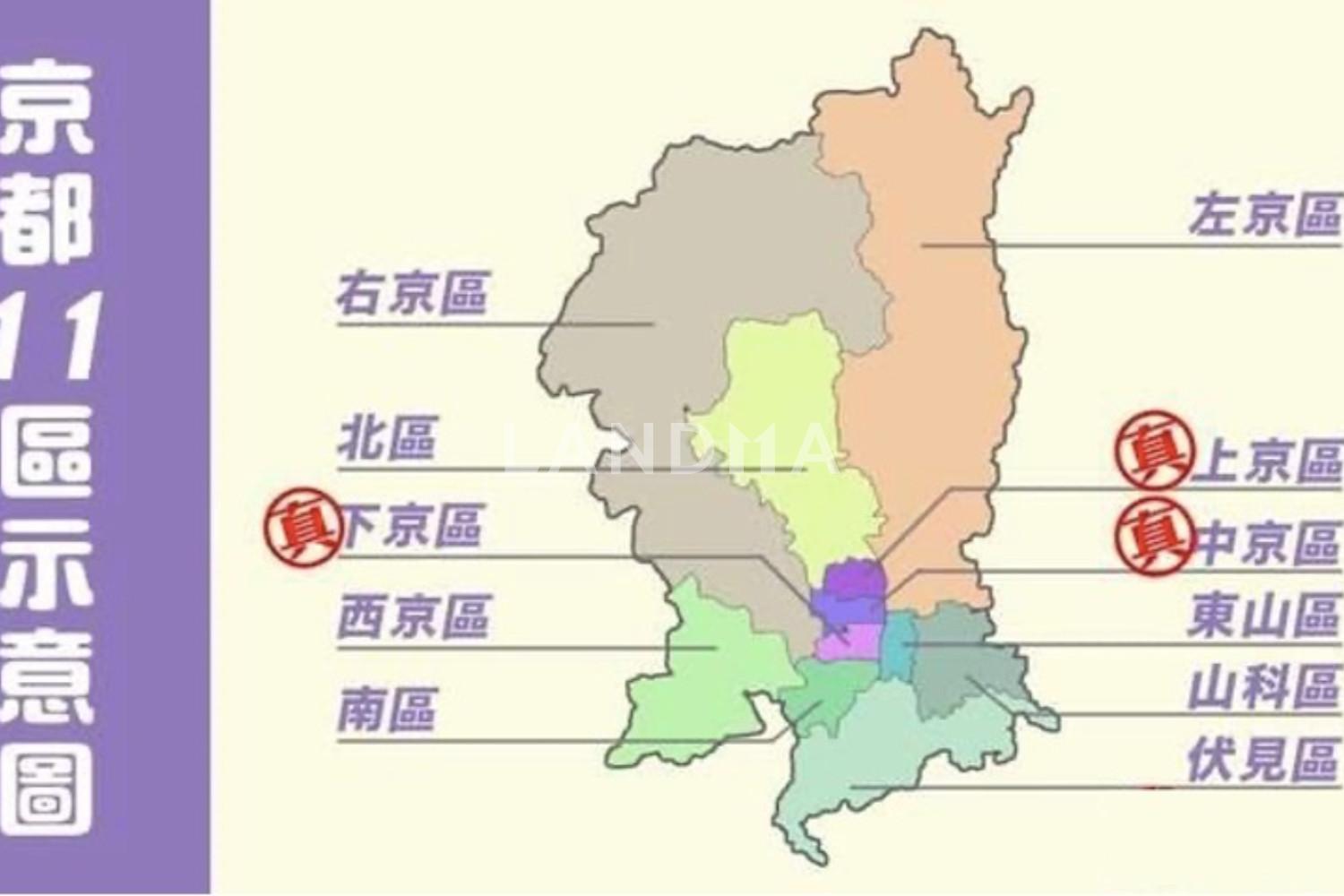
Kyoto is divided into 11 administrative districts, including the Sakyo district with a concentration of luxury residential areas, the Yoyo district with the most heritage, the Kamikyo district (Tenkoku), the Nakakyo district, the Shimojio district (commercial district), the Higashiyama district, the Higashiyama district, the Nishikyo district, the Yamako district, the Kita district, and the Minami district (corporate headquarters).
827 Square Kilometers
京都は治安が非常に良く、観光客を狙った窃盗、強盗、詐欺などの事件はめったにありません。レストランや駅などに物が落ちている場合は、戻ってくる確率が高いが、旅行者が外に出ても自分の物を大切にしなければならない。
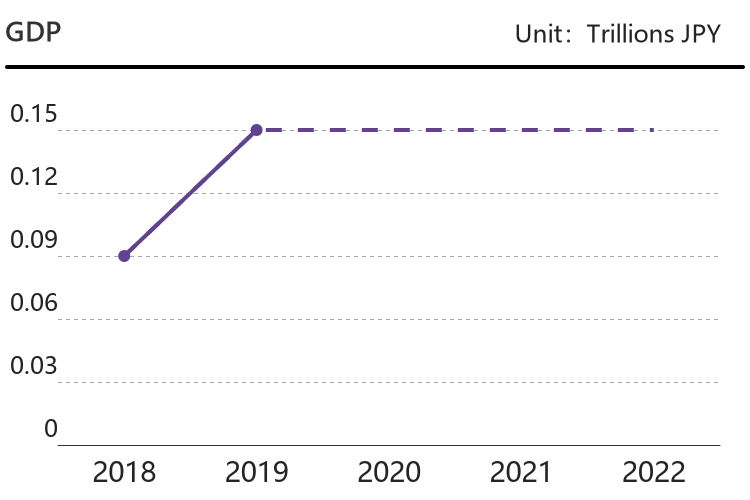
Kyoto is a city with diversified industries, and tourism accounts for only 14% of the local GDP. Before the outbreak of the epidemic, the number of tourists in Kyoto exceeded millions every year. And China's total consumption accounts for 55.5% of foreign visitors to Japan.
The coordinates of the vertices in the four directions of southeast, northwest, and north of Osaka are shown in the figure. The northern end is located near Tianwang Pass; The southern end is located in the southwest west direction of the Apesaka Pass on Osaka Prefectural Road 751; The eastern end is located in the southwest direction of the Tianbian West Interchange; The western end is located directly west of Sumiyoshi Shrine in Cape Town. "
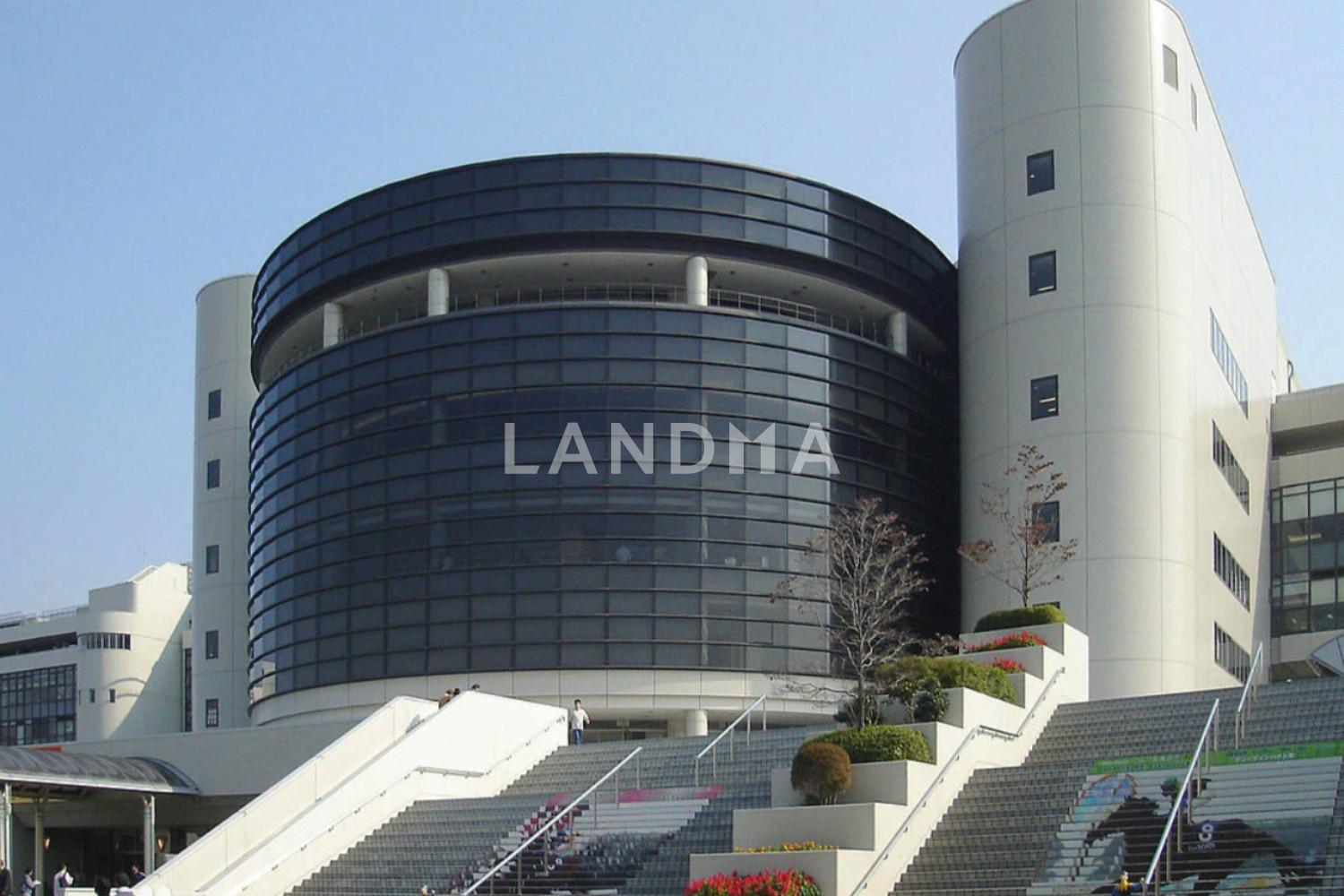
Kyoto Racecourse is located in Fushimi Ward, southern Kyoto, and is the venue for major races such as the Spring Emperor's Prize and the Chrysanthemum Prize.
Emperor Kanmu moved the capital to Heian-kyo (present-day Kyoto), in Yamashiro Province, marking the beginning of the Heian period and the history of Kyoto as the capital of Japan.
Minamoto no Yoritomo established the shogunate in Kamakura, marking the beginning of the Kamakura period in Japan.
With the establishment of the Muromachi shogunate, Japan entered the Muromachi period, and Kyoto became the political center of Japan once again.
Intense battles between shogunate forces and anti-shogunate forces occurred in Kyoto, known as the Kinmon Incident.
The Meiji government moved its capital to Tokyo.
Kyoto became a designated city with a certain degree of autonomy.
 Scoring Criteria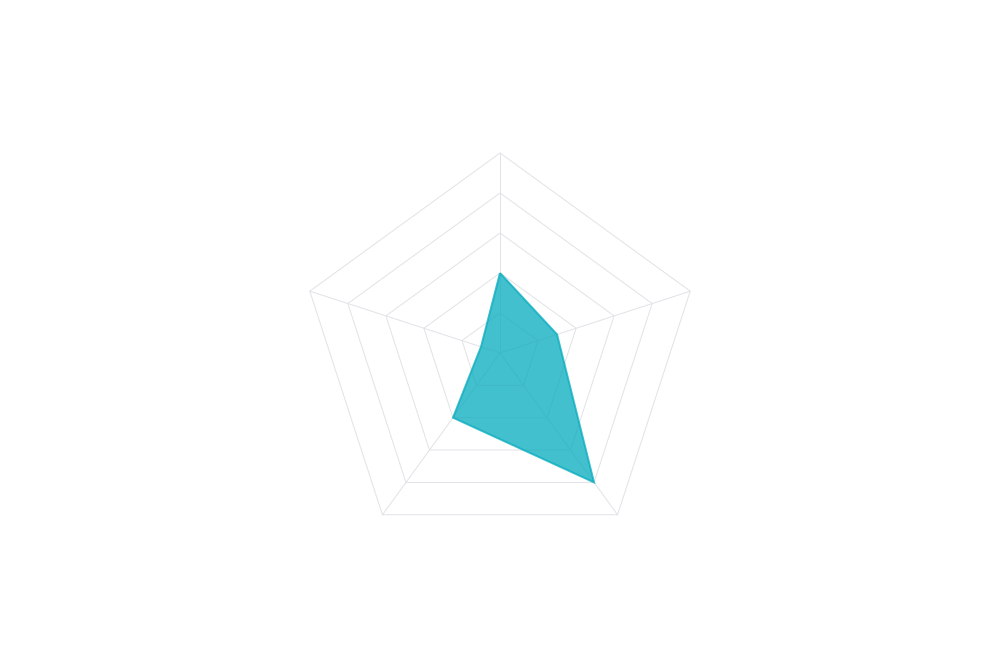
- 4
Rental Yield
- 3
House price increase
- 8
Compression resistance
- 4
Trading popularity
- 1
leverage ratio
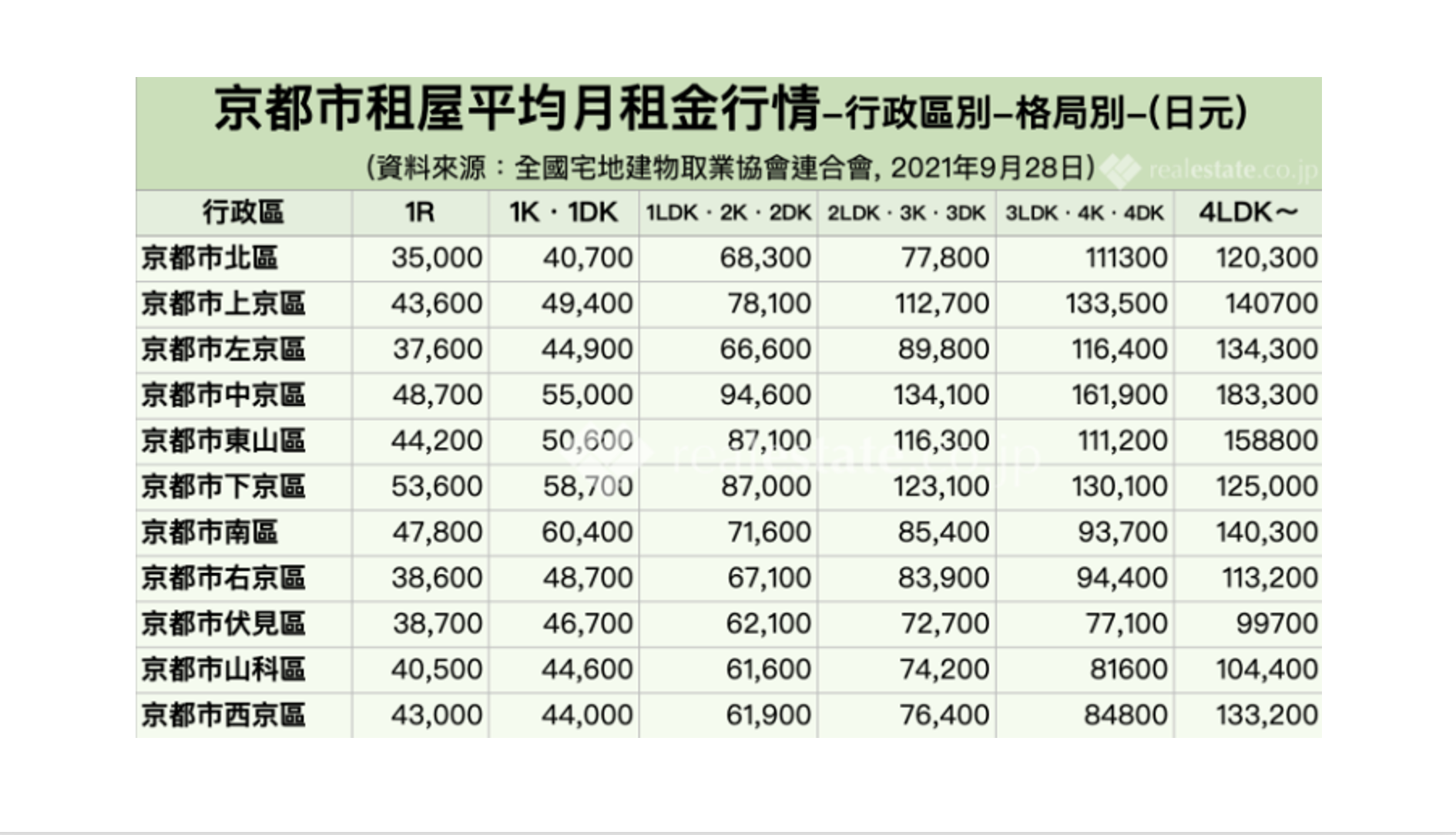
The average monthly rent in Kyoto city is 83523 yen, which varies greatly depending on the size and location of the property, as well as many other factors.


