


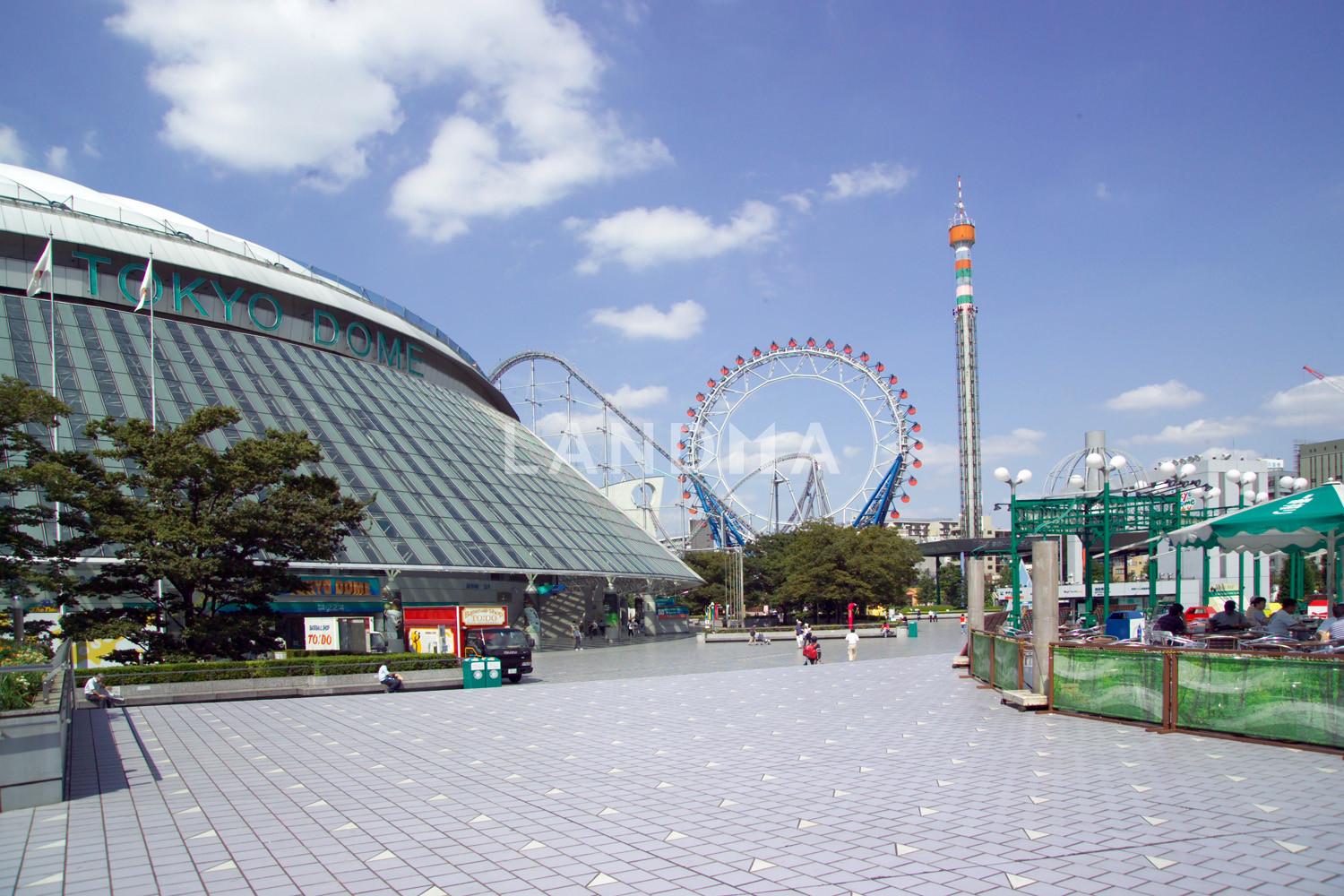
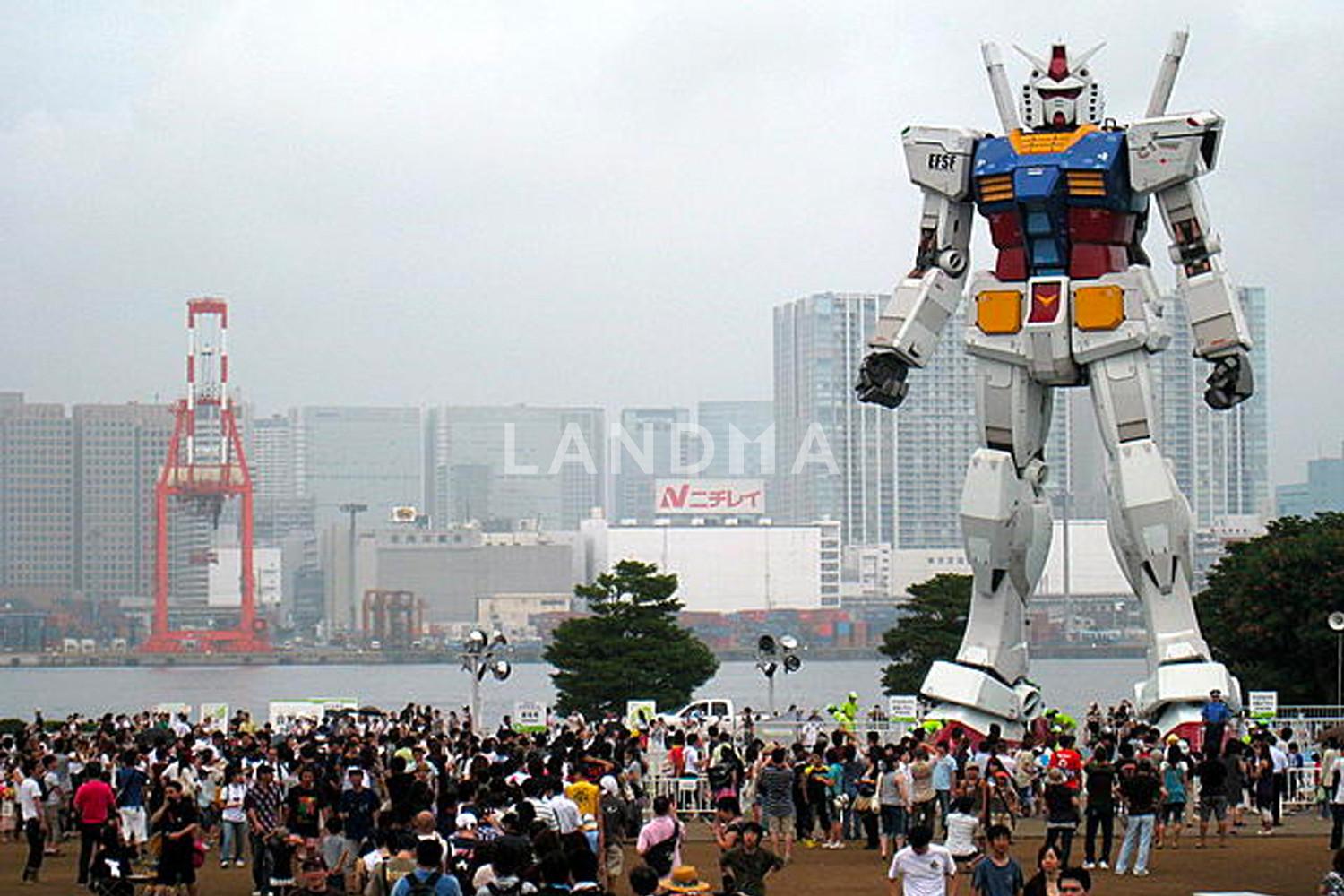
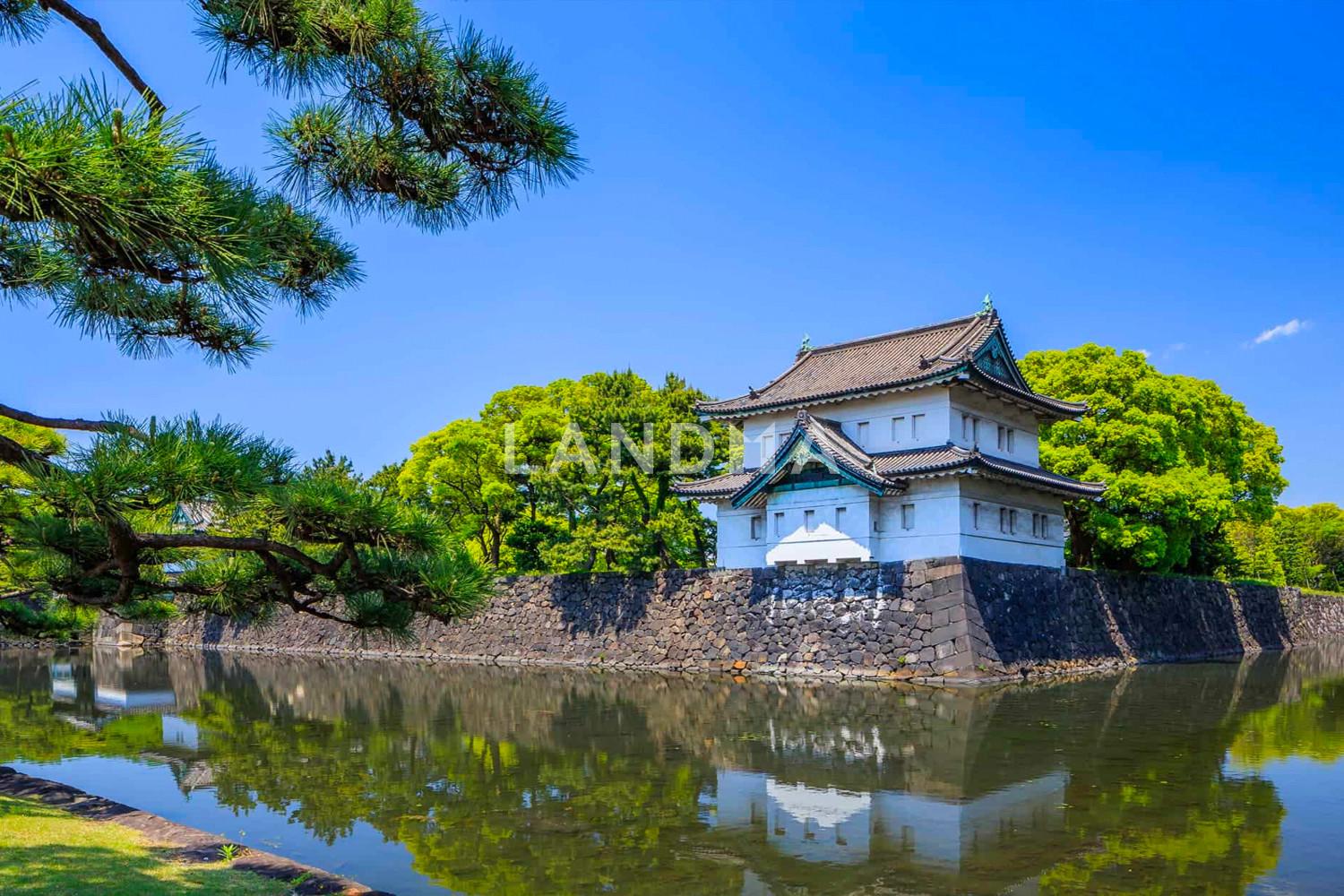
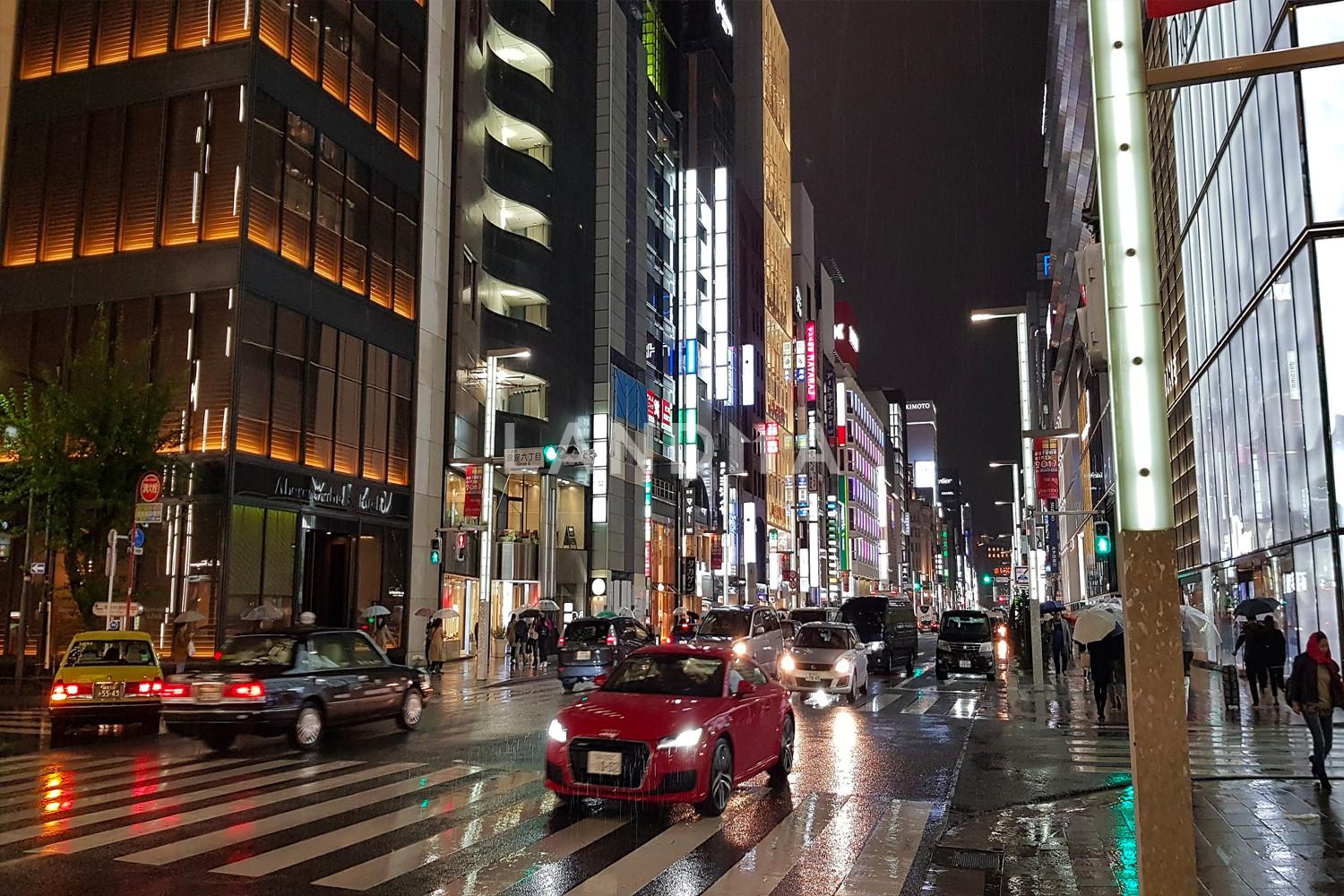
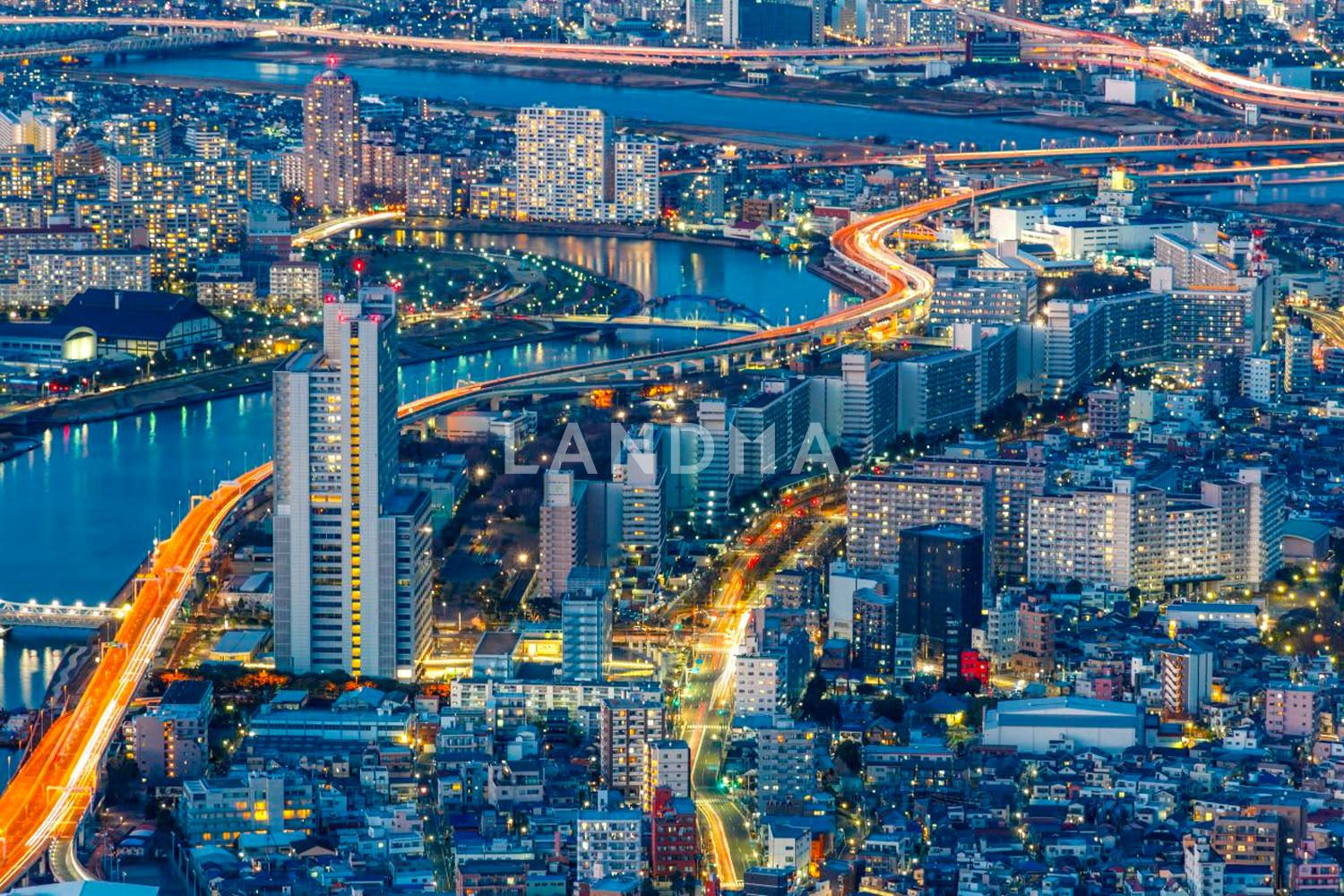
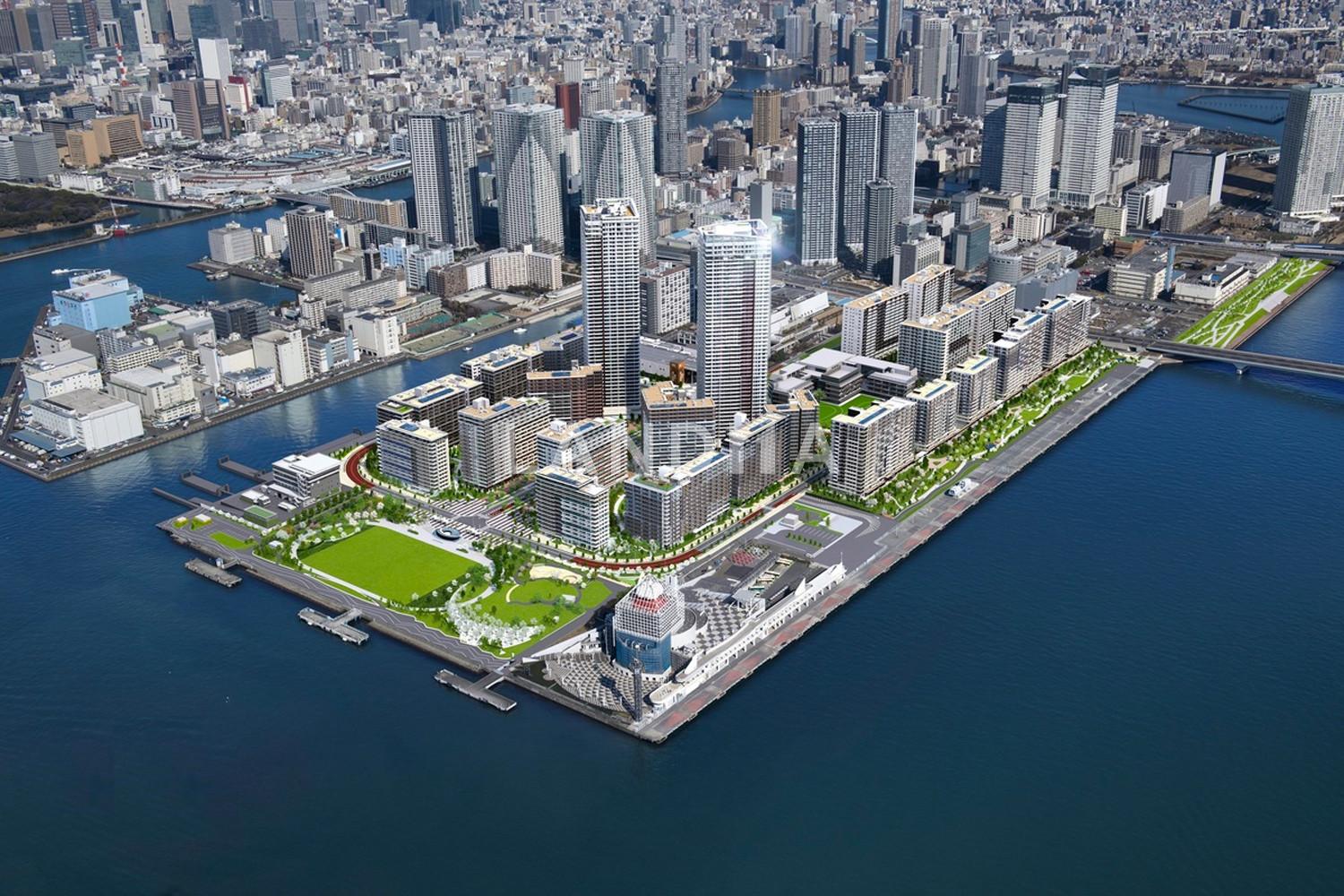
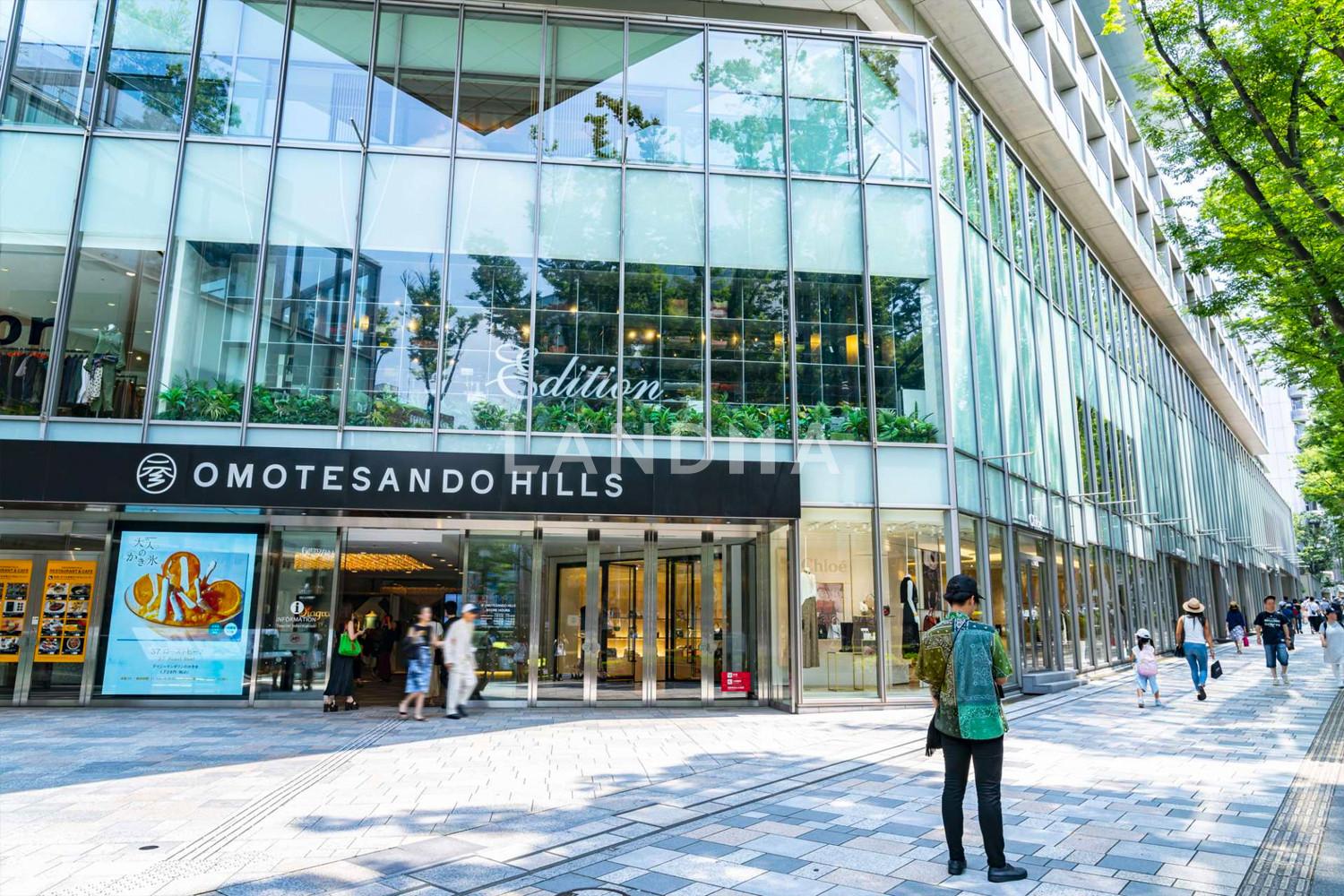
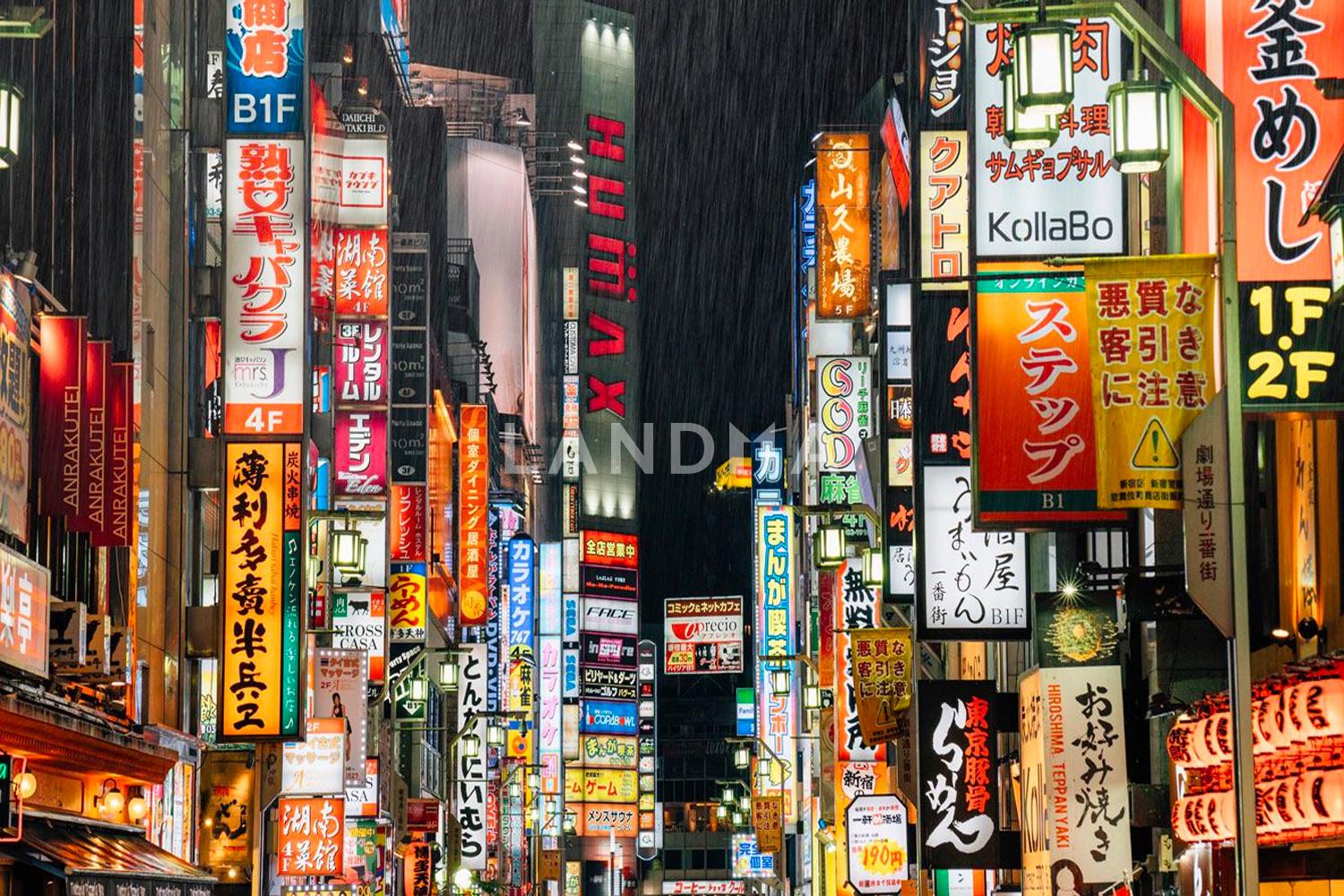
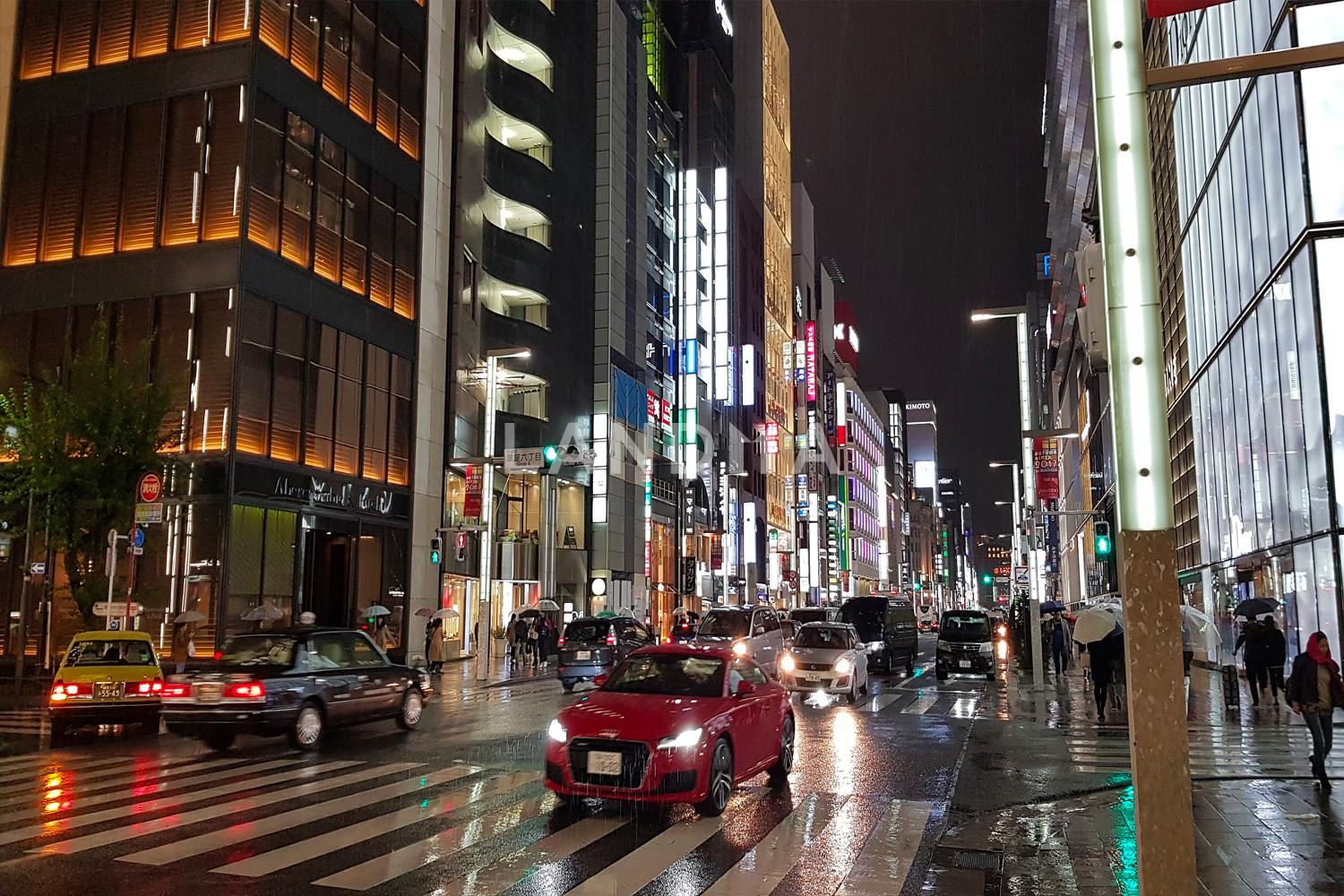
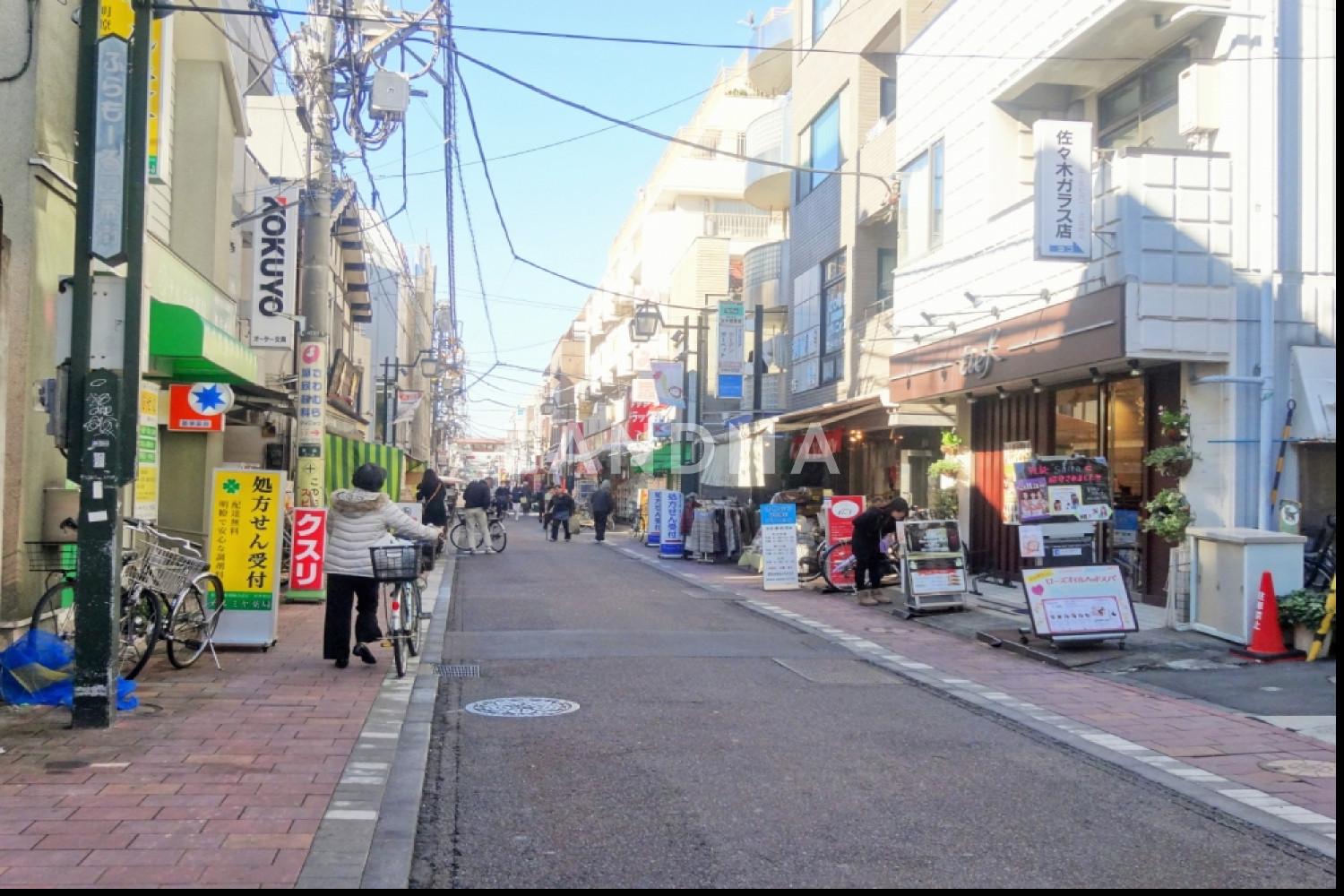
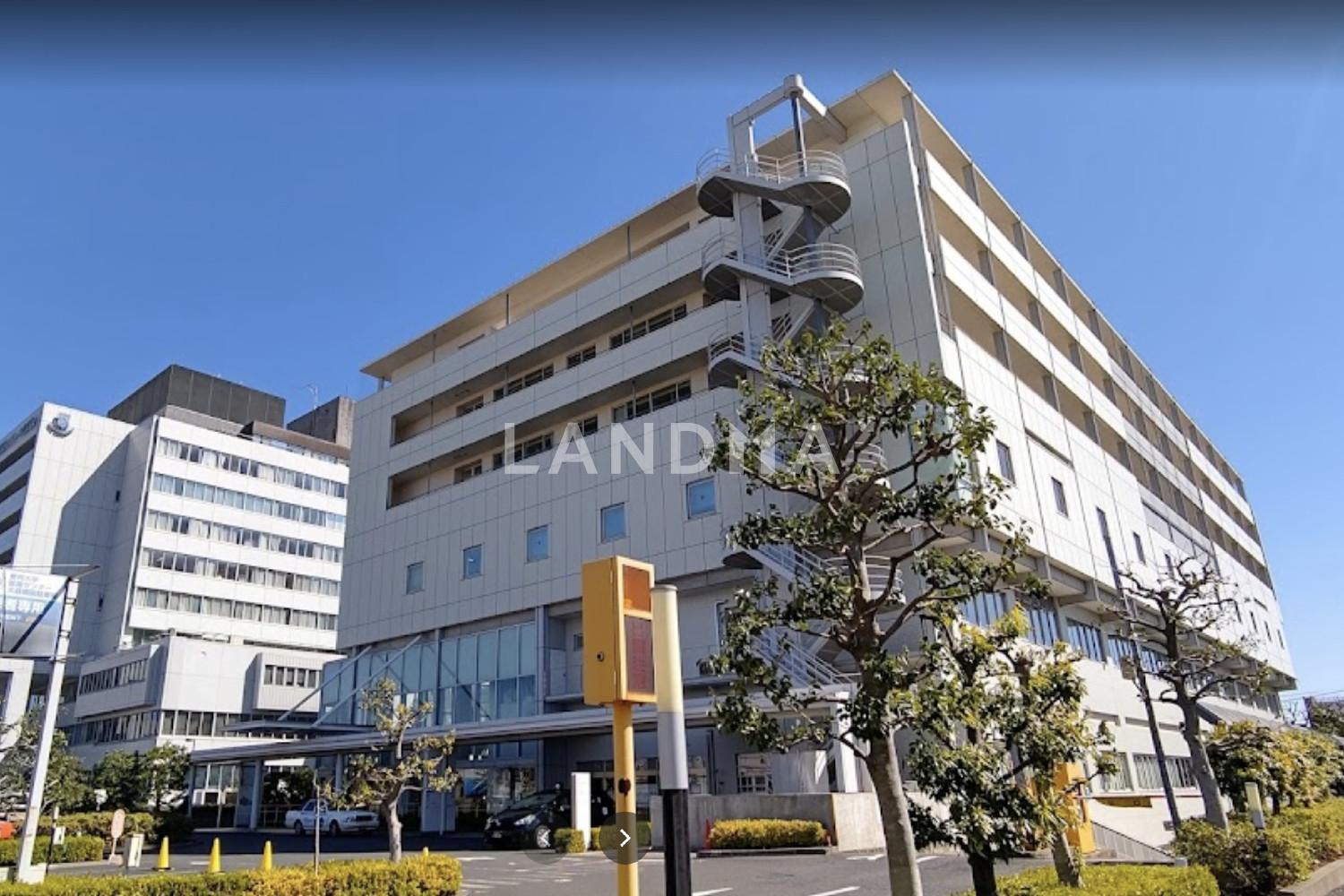

The population of the Tokyo metropolitan area (one metropolis and three prefectures) has reached 36 million. There is a strong demand for real estate, and housing prices have been rising steadily in the long term. There are direct flights between Narita/Haneda Airport in Tokyo and multiple cities in China, with frequent flights and short travel times. Moreover, after the real - estate bubble in the 1990s, there is now less inflated value in Tokyo's housing prices. Compared with big cities like Beijing and Shanghai in China, the housing prices in Tokyo are relatively lower, and the return on investment is higher. In addition, both the land and buildings in Tokyo have perpetual property rights.
The population of the Tokyo metropolitan area (one city and three prefectures) has reached 36 million, with strong demand for real estate and long-term stable price increases.
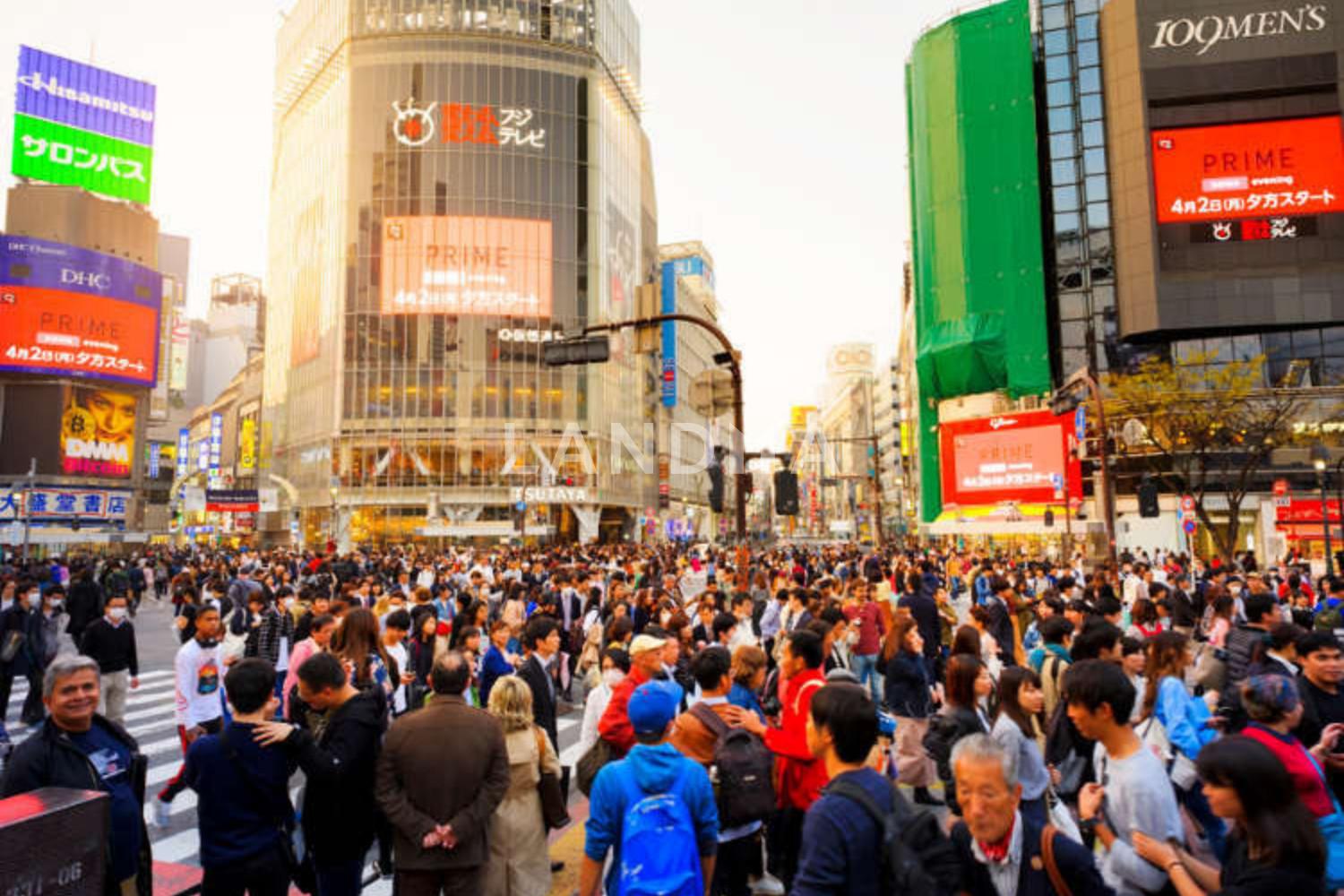

Tokyo Narita/Haneda Airport has direct flights to multiple cities in China, with many flights and short travel times. Departing from Beijing and Shanghai, it only takes about 3 hours to arrive, making it easy to manage your property when entering or leaving the country.
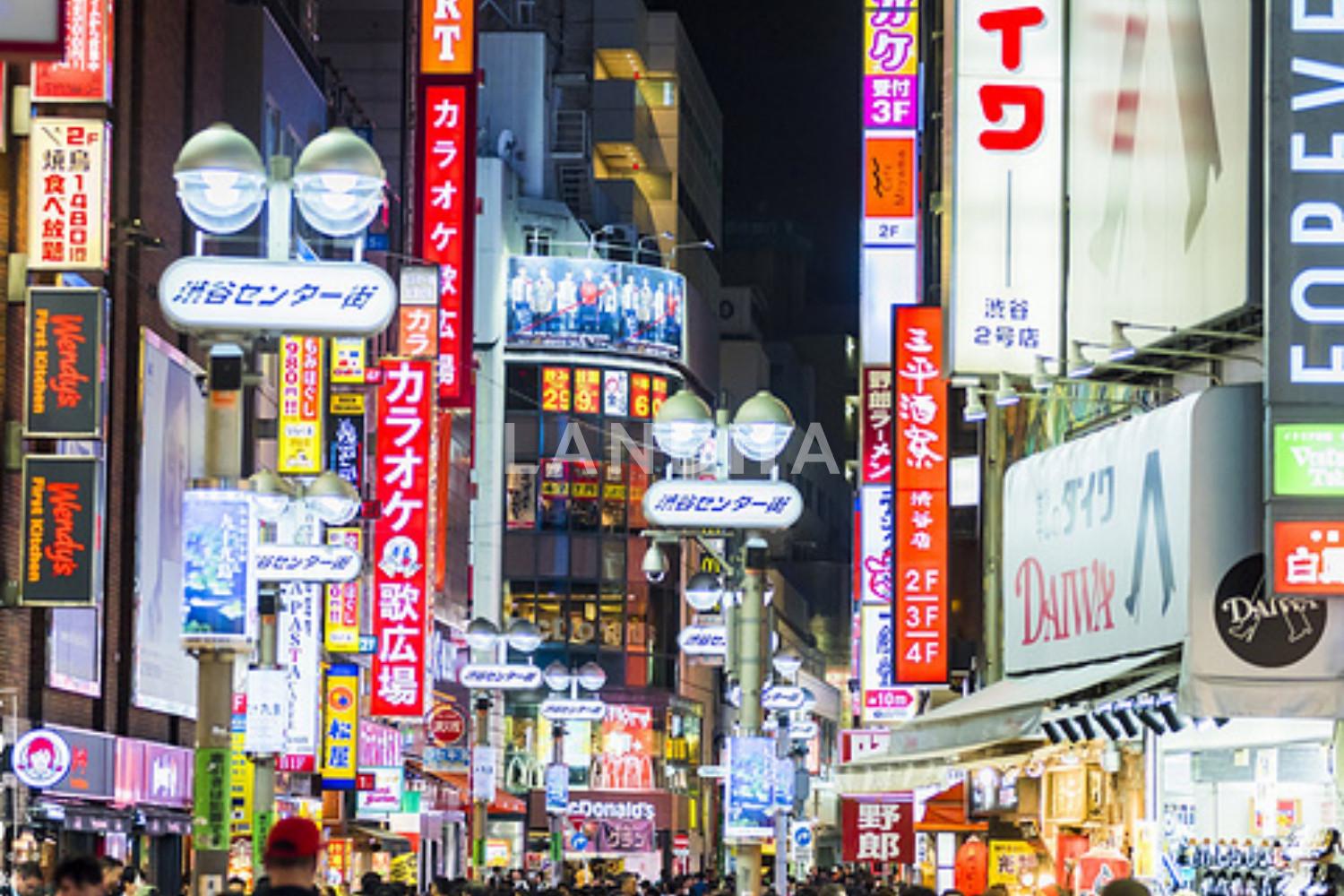
After the extrusion of the real estate foam in the 1990s, the housing price in Tokyo is relatively low at present. Compared with major cities such as Beijing and Shanghai in China, housing prices in Tokyo are relatively lower and investment returns are higher. It is worth mentioning that the land and buildings in Tokyo are permanently owned.
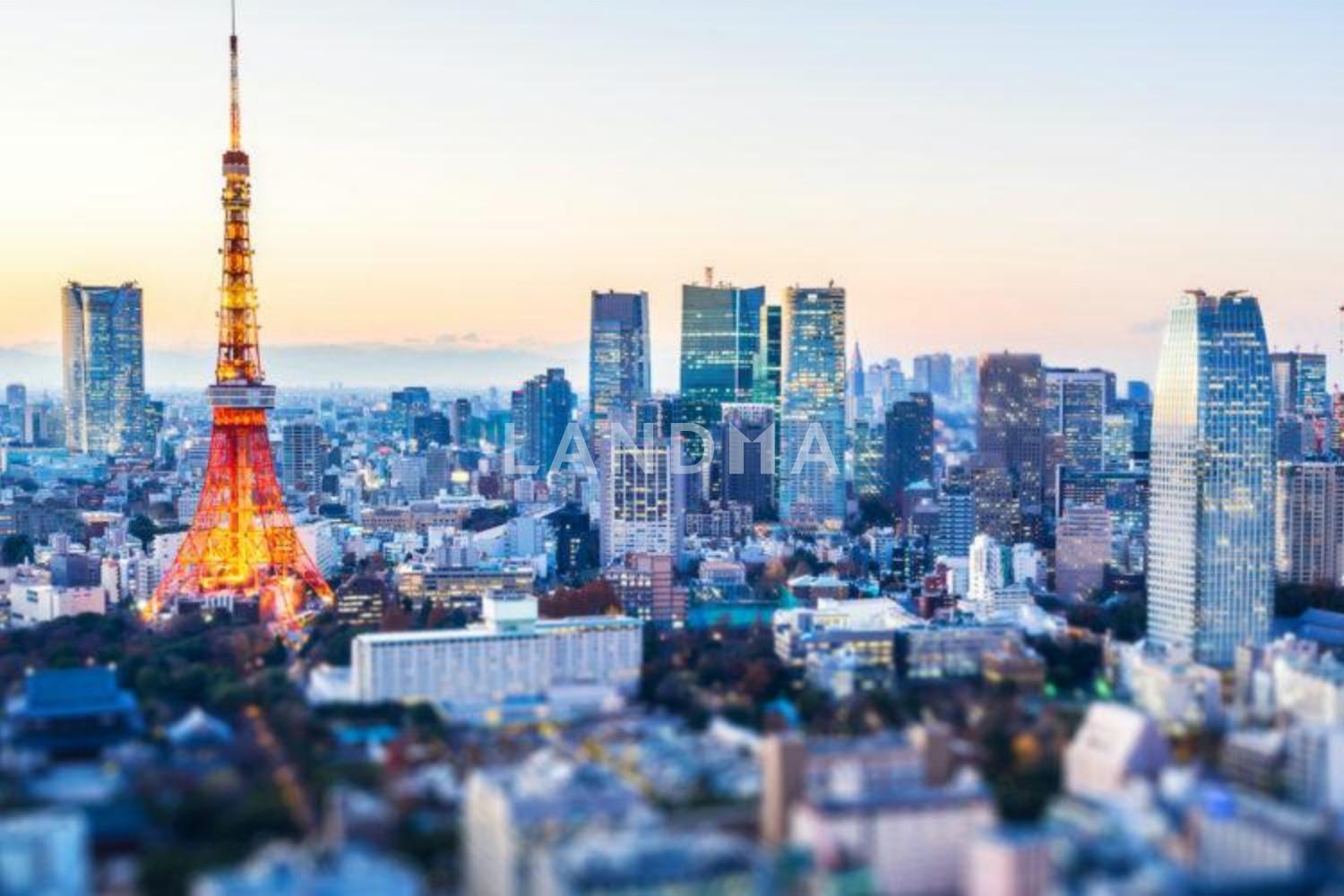
The core area of Tokyo is mainly composed of second-hand apartments or single family buildings. Every time a new property is launched in the city center, people have to queue up to buy it.
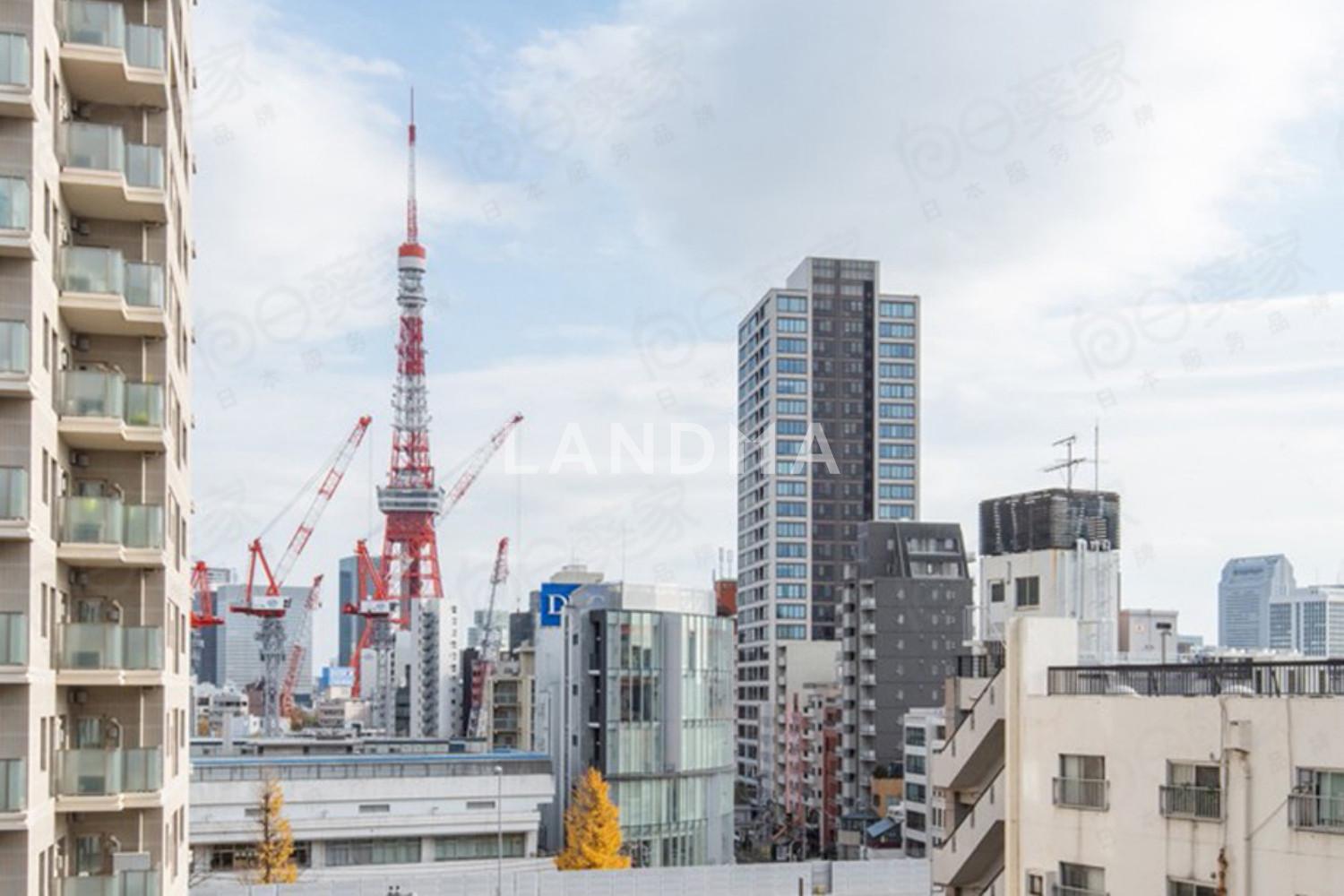
Out of consideration for protecting the local market, the Bank of Japan has strict loan policies for foreign homebuyers.
Client Testimonials
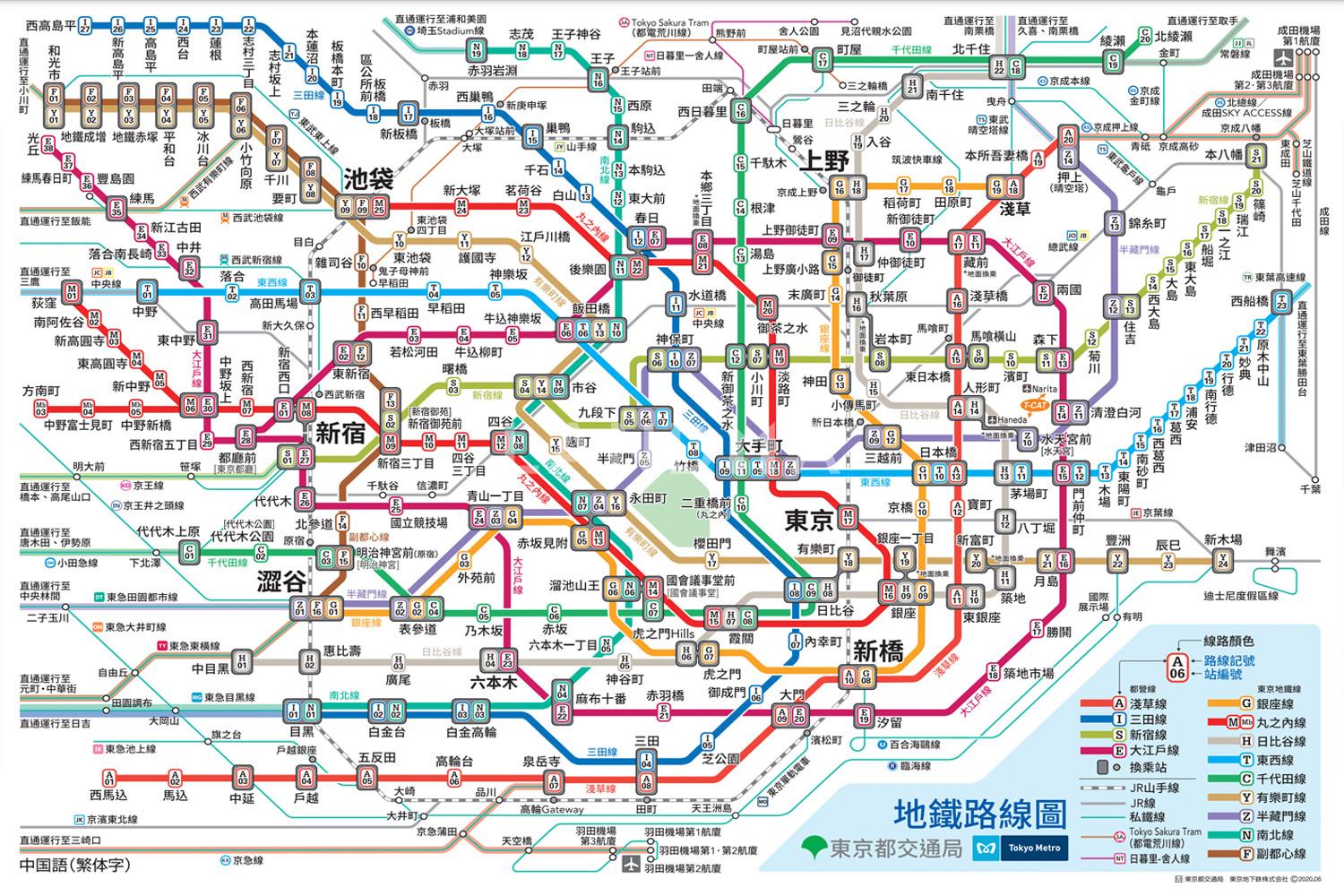
Due to work requirements, I bought a house in Tokyo and lived comfortably with my family of four. It's not far from the subway station and commuting by subway is faster than driving every day.
A few years ago, I bought an investment apartment in Tokyo. Although the area is not large and only 20 square meters, the tenants are very stable. I have not changed tenants yet, and the income is also very good based on the investment. Moreover, it is a stable real estate investment.
City Time Zone:UTC+9
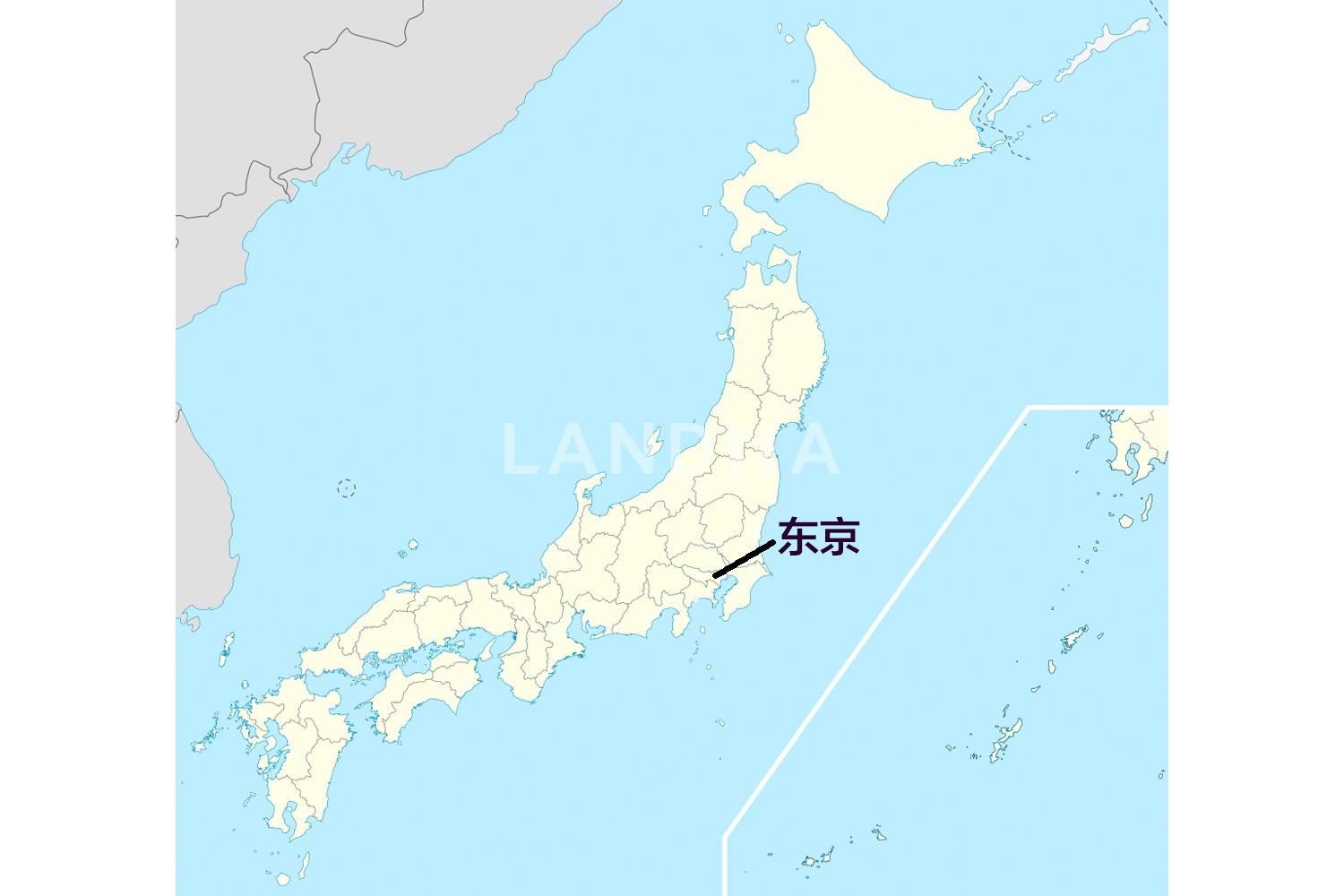
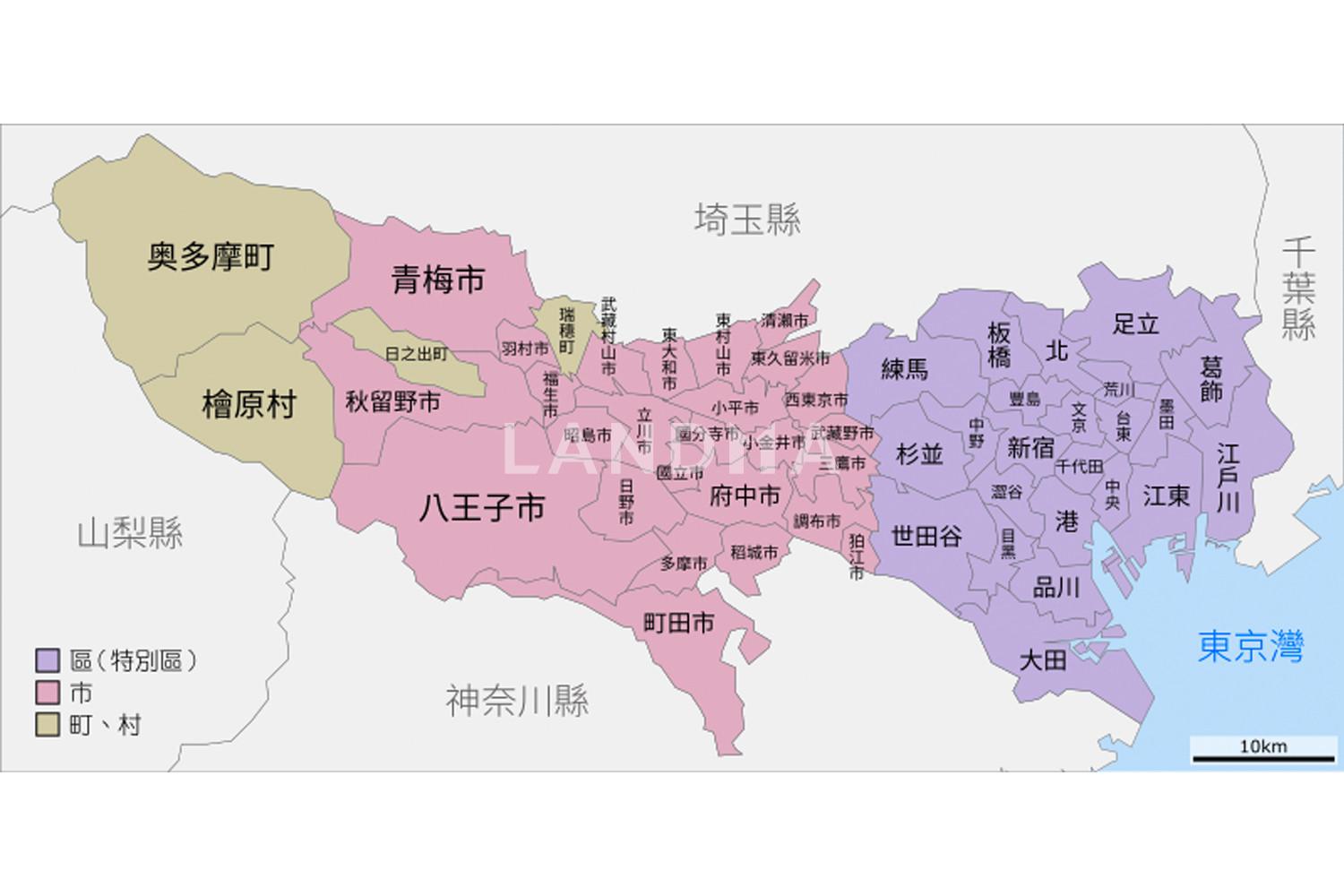
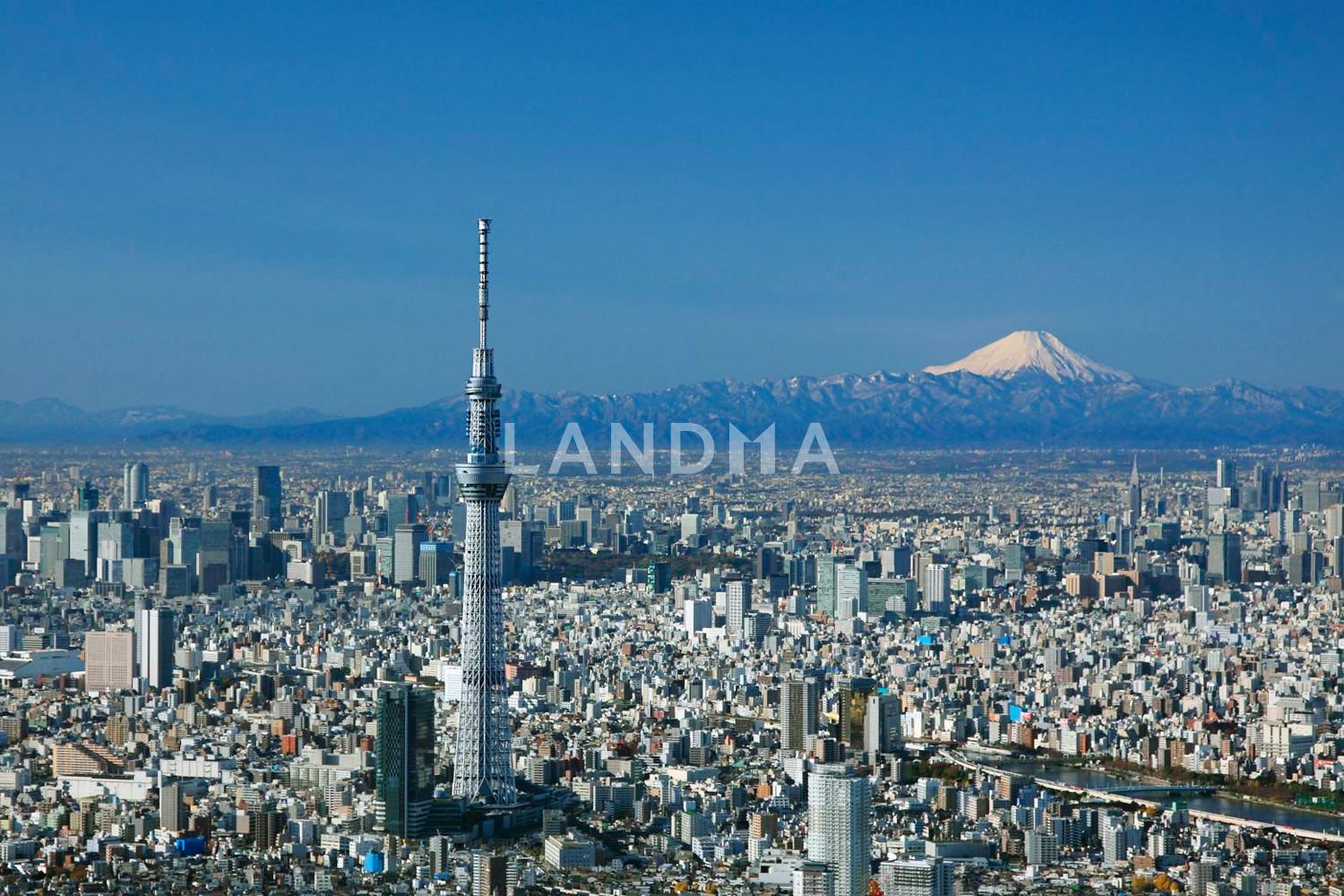
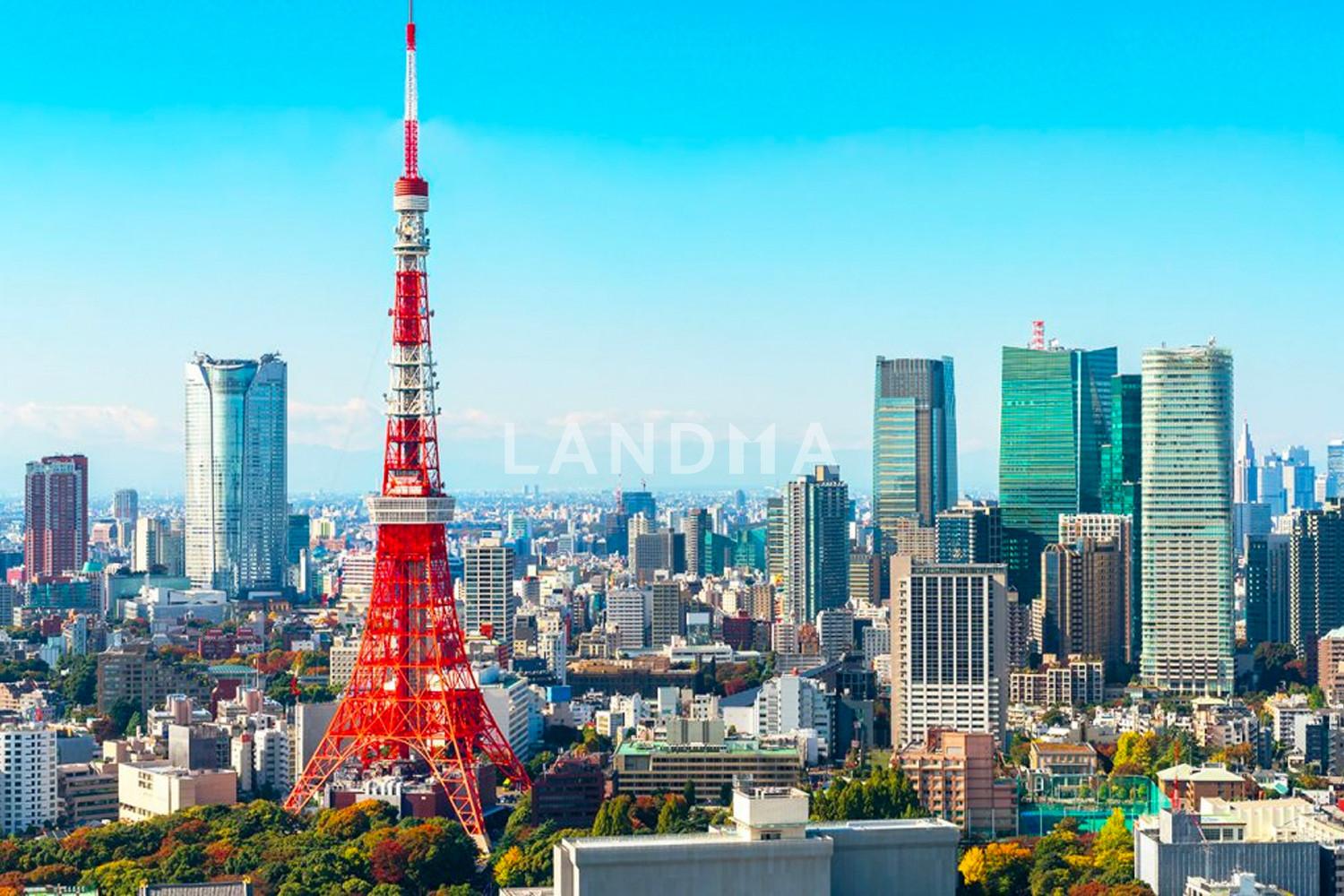
Kyoto Prefecture has 15 cities, 11 districts, 10 towns, and 1 village under its jurisdiction: City: Fukuchiyama City, Maizuru City, Ayabe City, Uji City, Miyazu City, Kameoka City, Chengyang City, Xiangri City, Nagaoka City, Hachiman City, Kyotanabe City, Kyoto City Tokyo is located on the Kanto Plain in Japan, north of Tokyo Bay. It is the political and economic center of the country, home to about 30% of the population and contributing more than one-third of the country's GDP.
Tokyo is generally divided into two parts, the 23 districts (wards) in the east and the city districts in the west. The core six districts that we are familiar with, namely Chuo ku, Minato ku, Chiyoda ku, Shibuya ku, Shinjuku ku, and Bunkyo ku, are located within the 23rd district.
2187 Square Kilometers
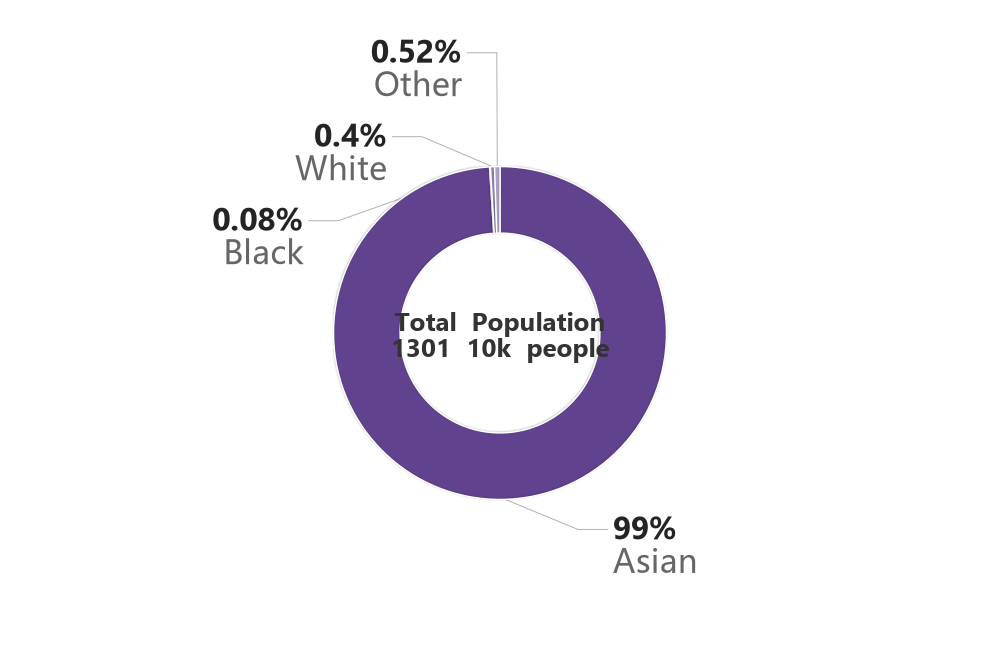
日本全体の治安は良好で、2020年にエコノミストが評価した「世界平和指数」では9位にランクインし、首都である東京の治安も非常に安定している。住民の自律性が強く、住民が集団秩序を守ることは、東京の治安が良い原因だ。
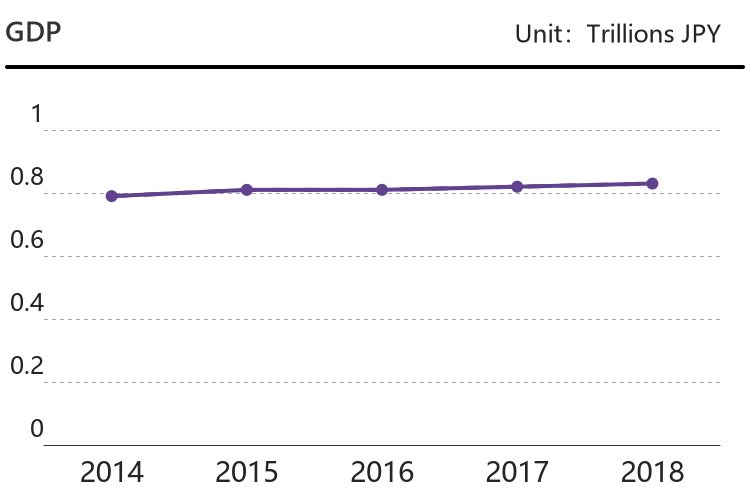
*Above picture GDP The unit is trillions of dollars
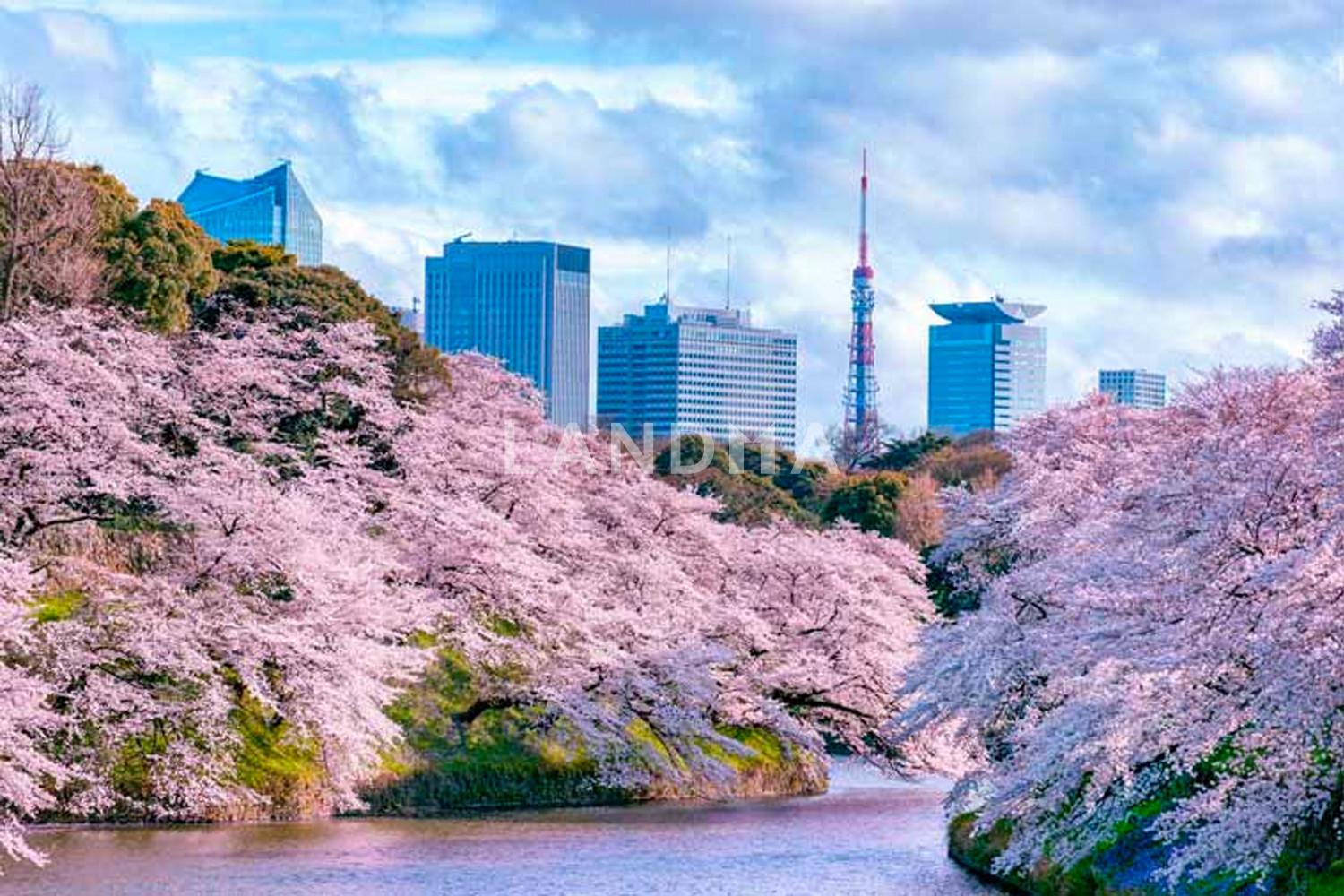
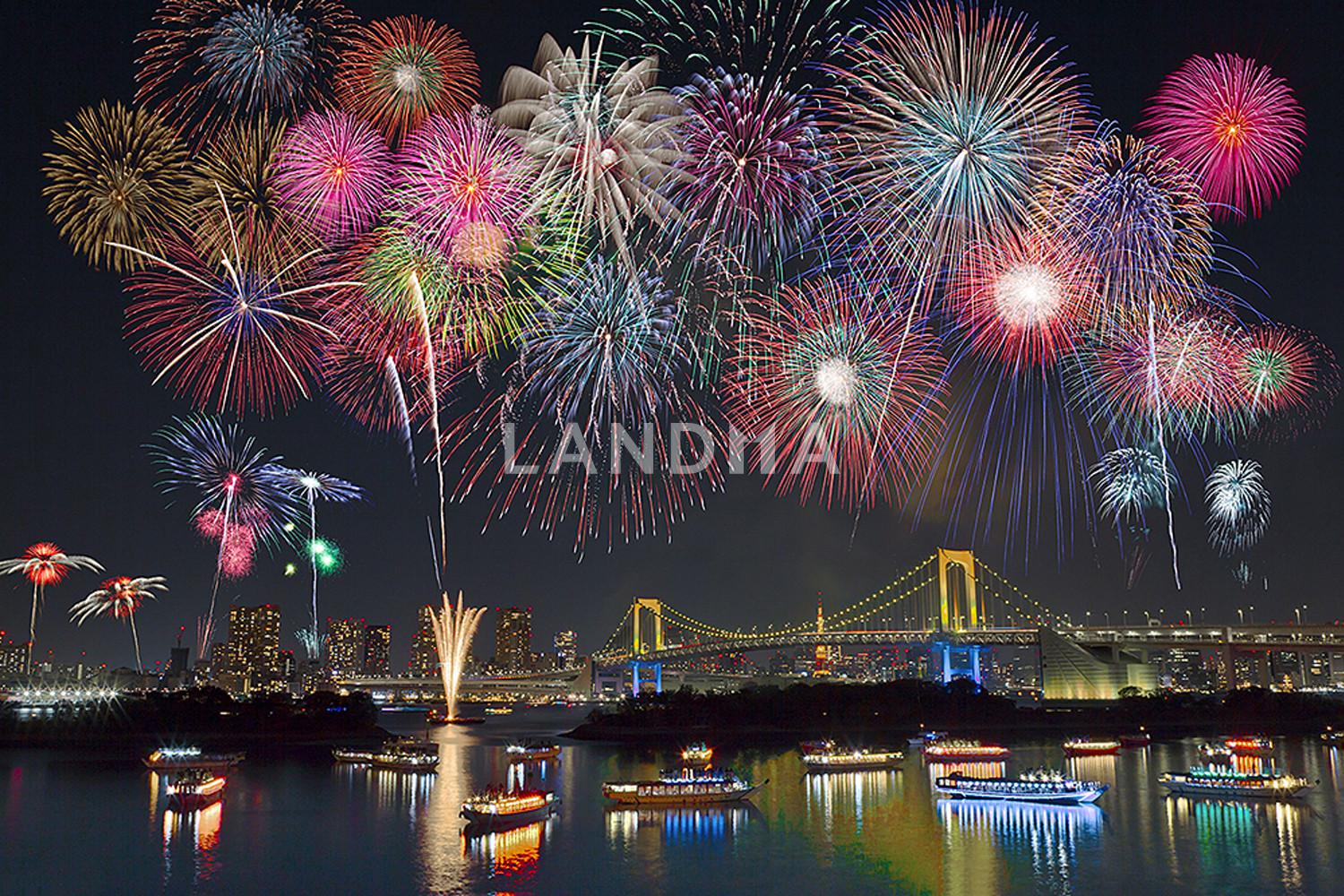
Although Japan underwent the Meiji Restoration, many traditional activities were still preserved. For example, at the beginning of each year, people in Tokyo collectively go to temples to pray for good luck in the coming year, enjoy cherry blossom outings in spring, and participate in traditional activities such as fireworks festivals in summer.
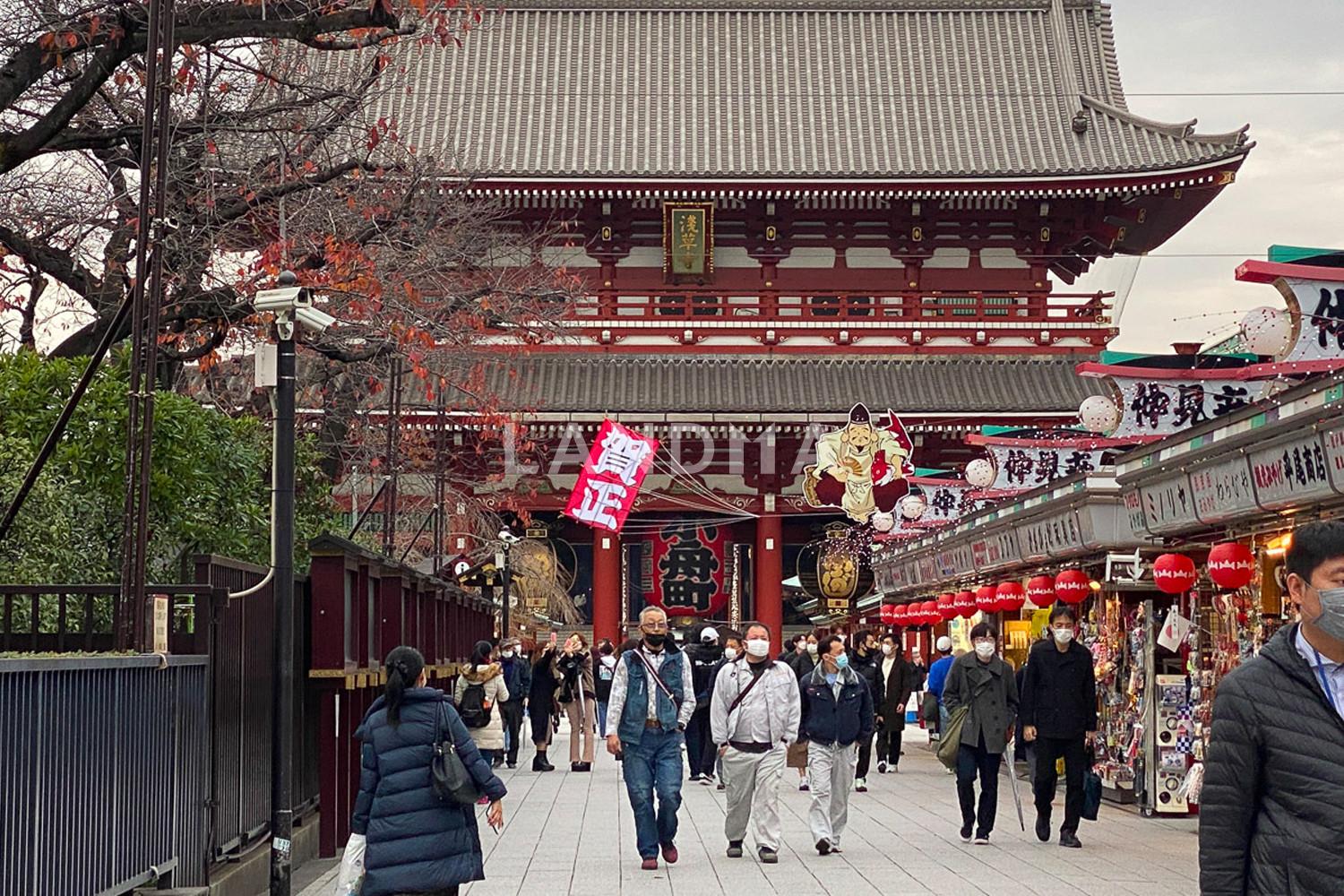
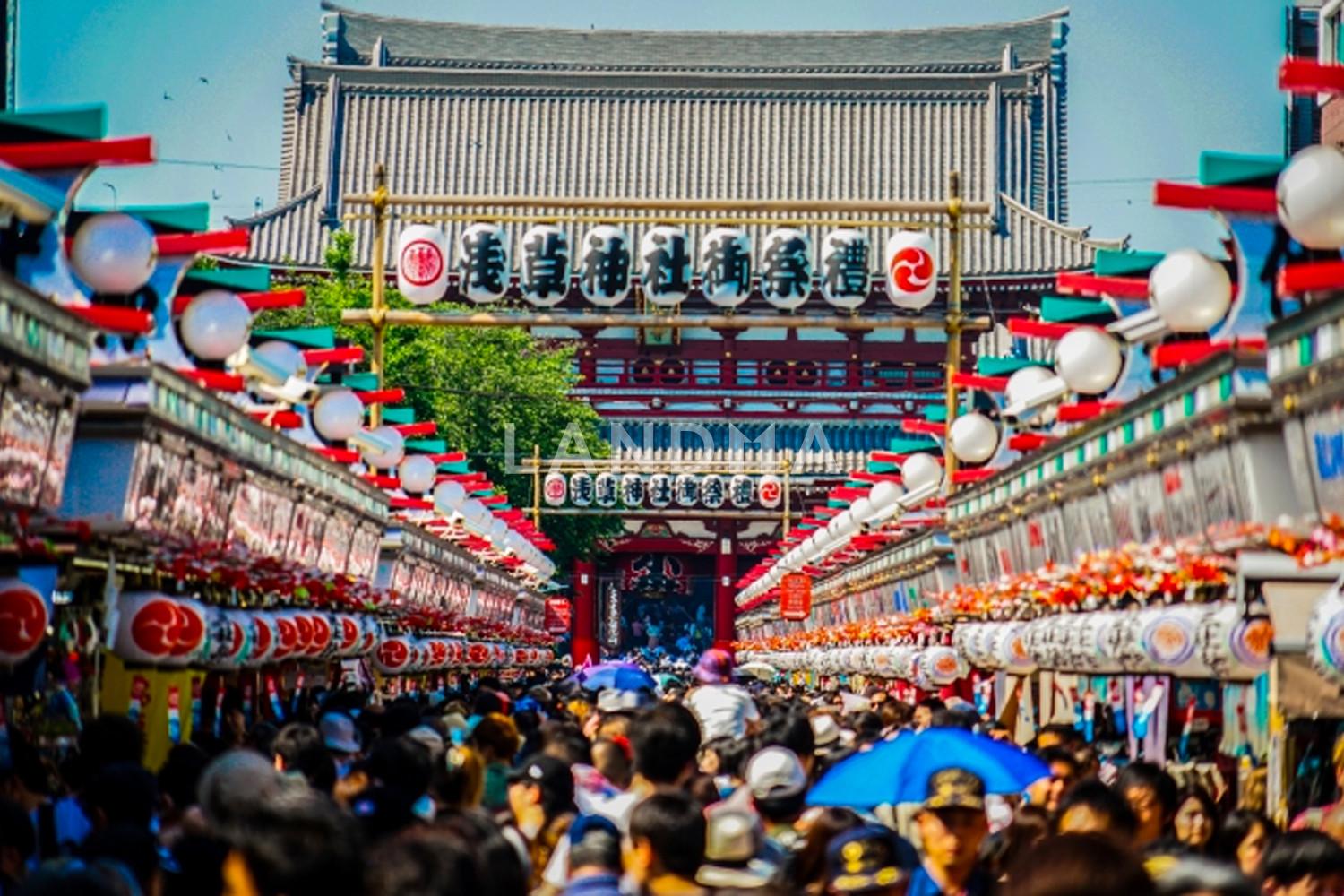
Japan practices Shintoism or Buddhism. People like to pray for health, wealth, etc. at temples. They attach great importance to the first festival of the new year in particular. On New Year's Day, shrines and temples such as Meiji Shrine, Naritasan Shinshoji Temple, Kawasaki Daishi, and Sensoji Temple will each see a crowd of around 3 million people.
Edo Castle was built.
Tokugawa Ieyasu established the Edo Shogunate's rule over Japan.
Meiji Restoration.
Miraculously entered a period of several decades of rapid development after the war.
Hosted the Olympic Games for the first time.
Economic bubble collapse.
Hosted the Olympic Games for the second time.
 Scoring Criteria
- 10
Rental Yield
- 3
House price increase
- 10
Compression resistance
- 6
Trading popularity
- 8
leverage ratio
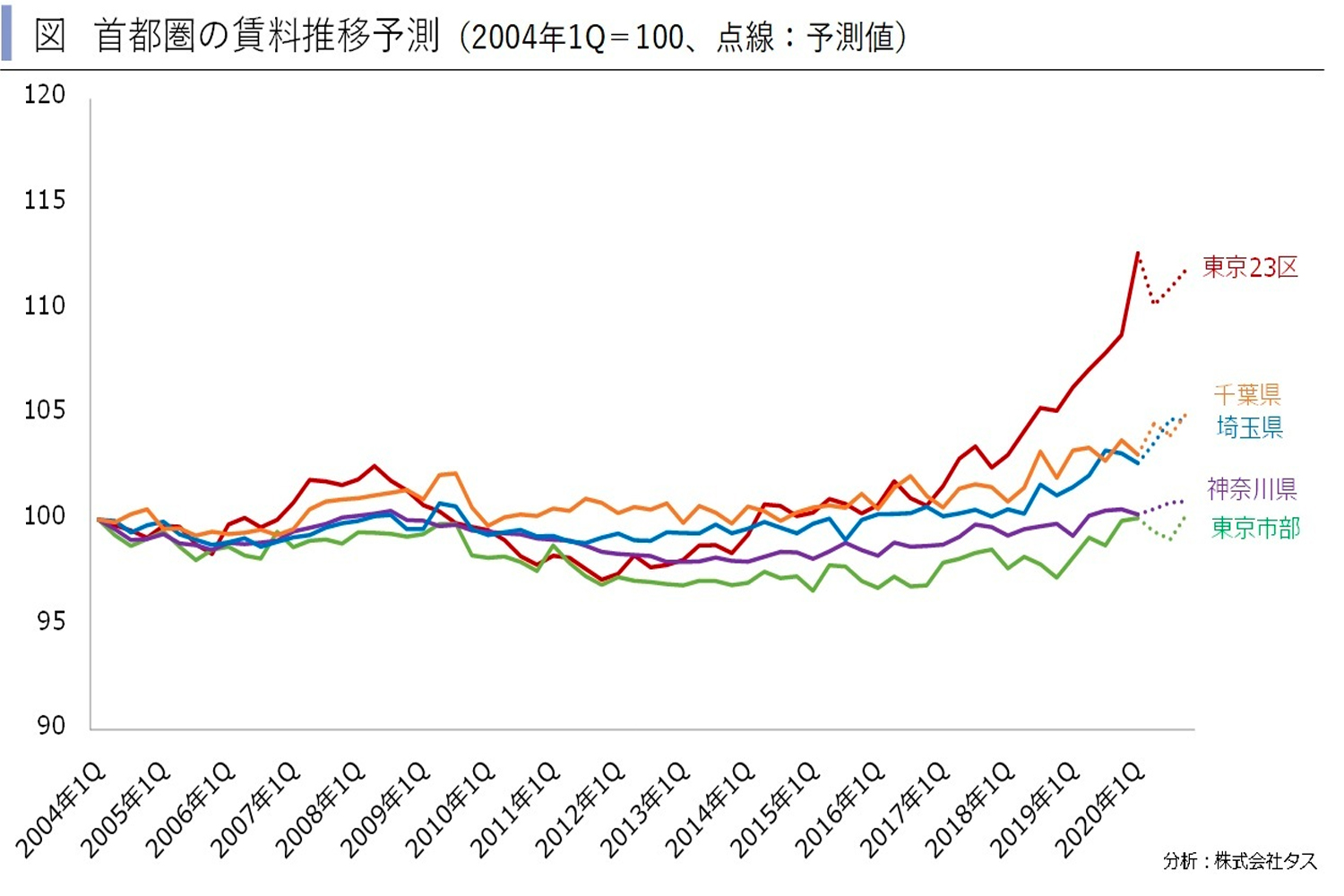
Observing the red line in the graph, it can be seen that the rental income of real estate in Tokyo is very stable, maintaining a slight upward trend since 2004. During the epidemic, rent in Tokyo increased instead of decreasing, with a cumulative rent growth of 15% from 2004 to 2020. Due to the protection of tenants by Japanese law, the rent of many properties remains at the same level as many years ago, resulting in a growth rate of rental income for new houses exceeding 15%


