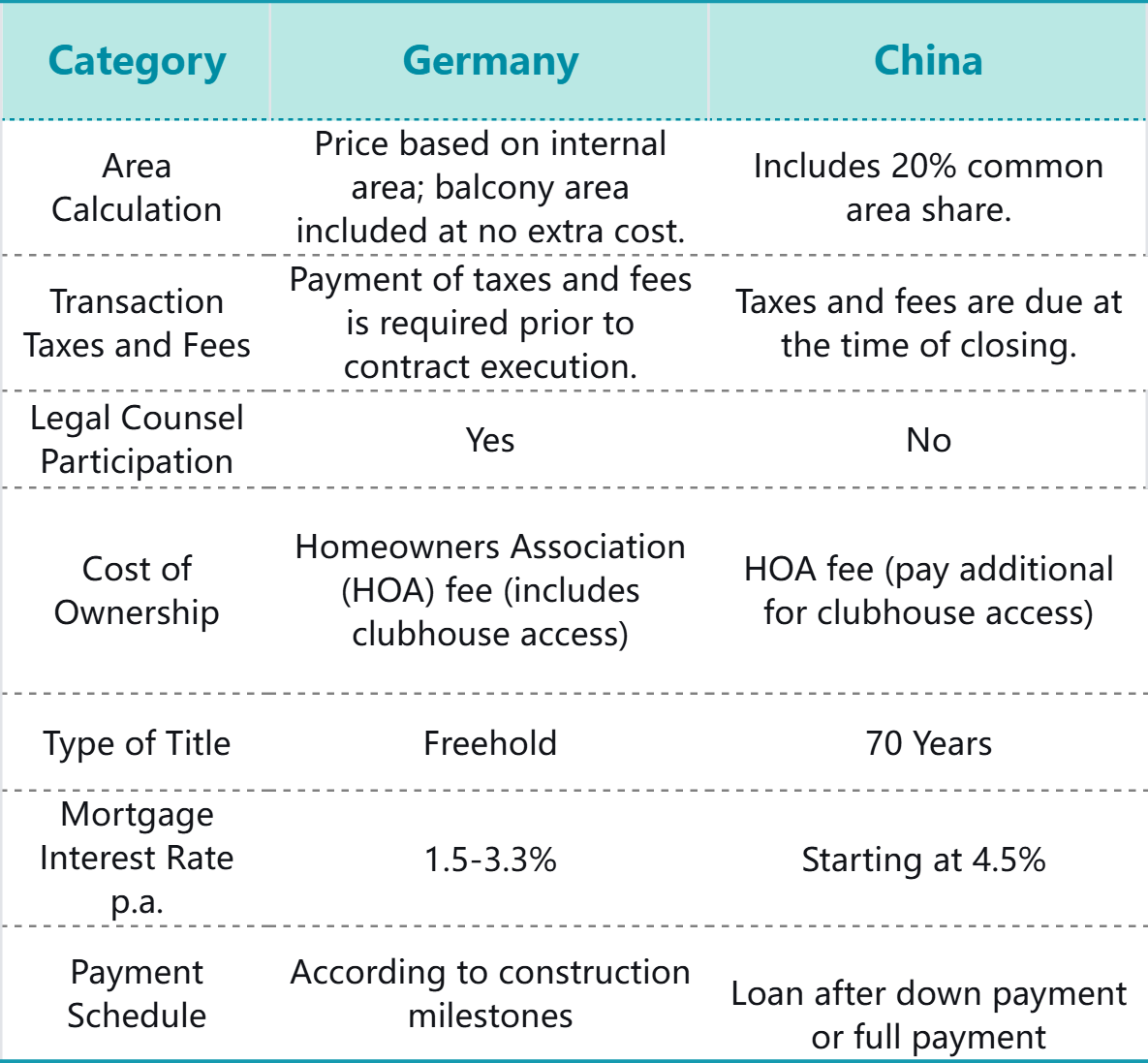
Since the beginning of this century, Germany's real estate market has gradually opened up and has been favored by investors for its low total prices, low interest rates, strong rental demand, high leverage, and steady appreciation. Mortgage rates for home purchases in Germany are typically 2.5%–3.5% (10-year fixed rates), and the average annual increase in housing prices has exceeded 6% over the past decade. Even more attractive, capital gains tax is zero when a property is sold after being held for ten years, making Germany a key destination for medium- to long-term asset allocation.

Geographical Location
The Federal Republic of Germany (Germany for short) is located in Western and Central Europe and is a federal parliamentary republic. In geographical terms, it is often classified as part of Western or Central Europe. Germany borders Denmark to the north; Poland and the Czech Republic to the east; Austria to the southeast; Switzerland to the southwest; France, Luxembourg, and Belgium to the west; the Netherlands to the northwest; the North Sea to the north; the Baltic Sea to the northeast; and Lake Constance lies at the tri-border area with Austria and Switzerland in the south.
The land area is 357,021 square kilometers, the 7th largest country in Europe and the 62nd largest in the world.
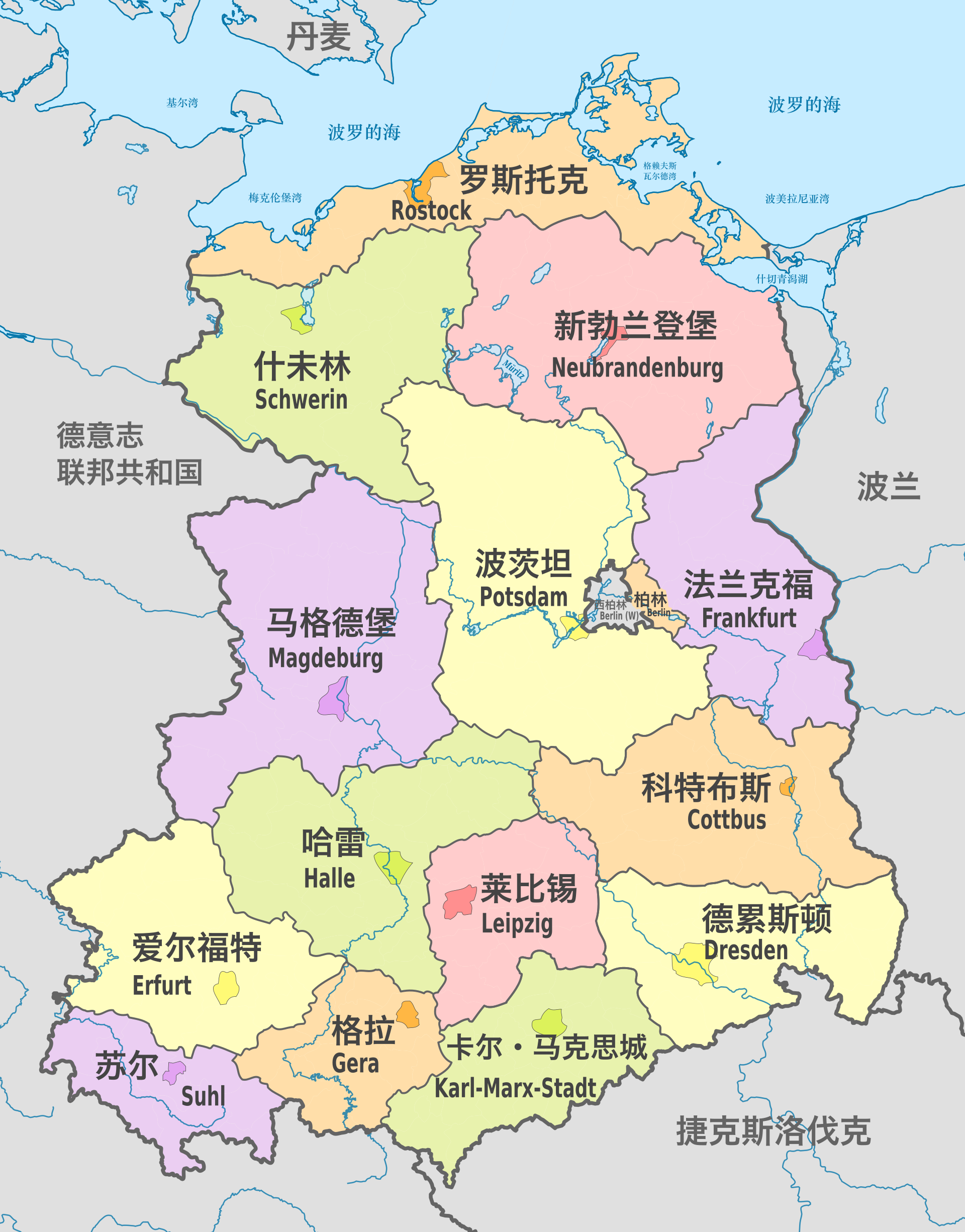
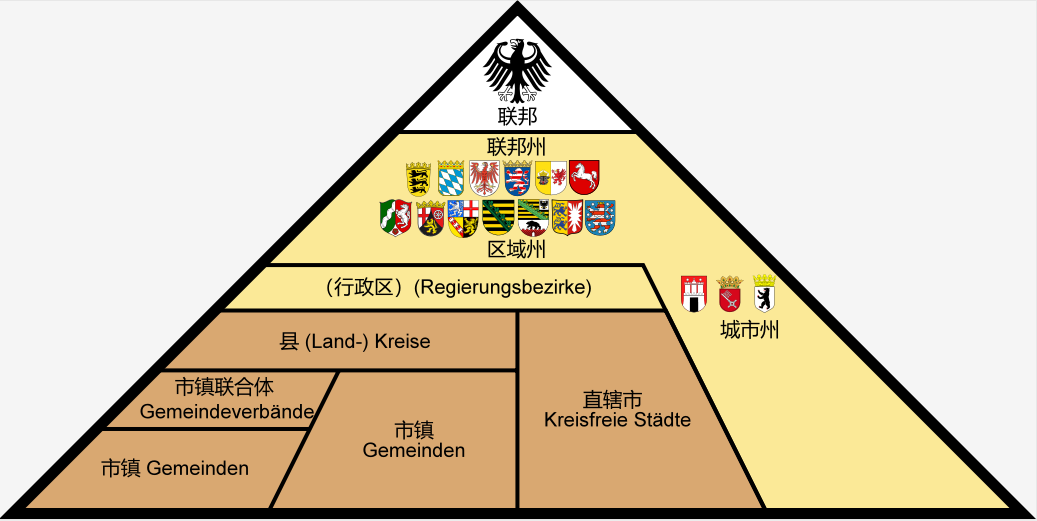
"Germany consists of 16 federal states, with Berlin as both the capital and the largest city. The states are roughly equivalent to provinces in China but differ in governance: states are subject to federal coordination while enjoying stronger regional autonomy. Below the state level, there are independent cities, districts, and towns, a structure similar to the province–city–county levels in China.

Demographics
According to Germany's Federal Statistical Office, as of the end of 2024, Germany's total population reached 83.5771 million, an increase of 121,000 from the previous year, up 0.1%. As the second most populous country in Europe after Russia, Germany ranks 19th in the world. Nationwide, there are 400 city-level regions, including 294 rural districts and 106 urban districts. The most populous state is North Rhine–Westphalia, while the capital Berlin has the highest population density. The Chinese community is mainly concentrated in North Rhine–Westphalia, Baden–Württemberg, and Bavaria.
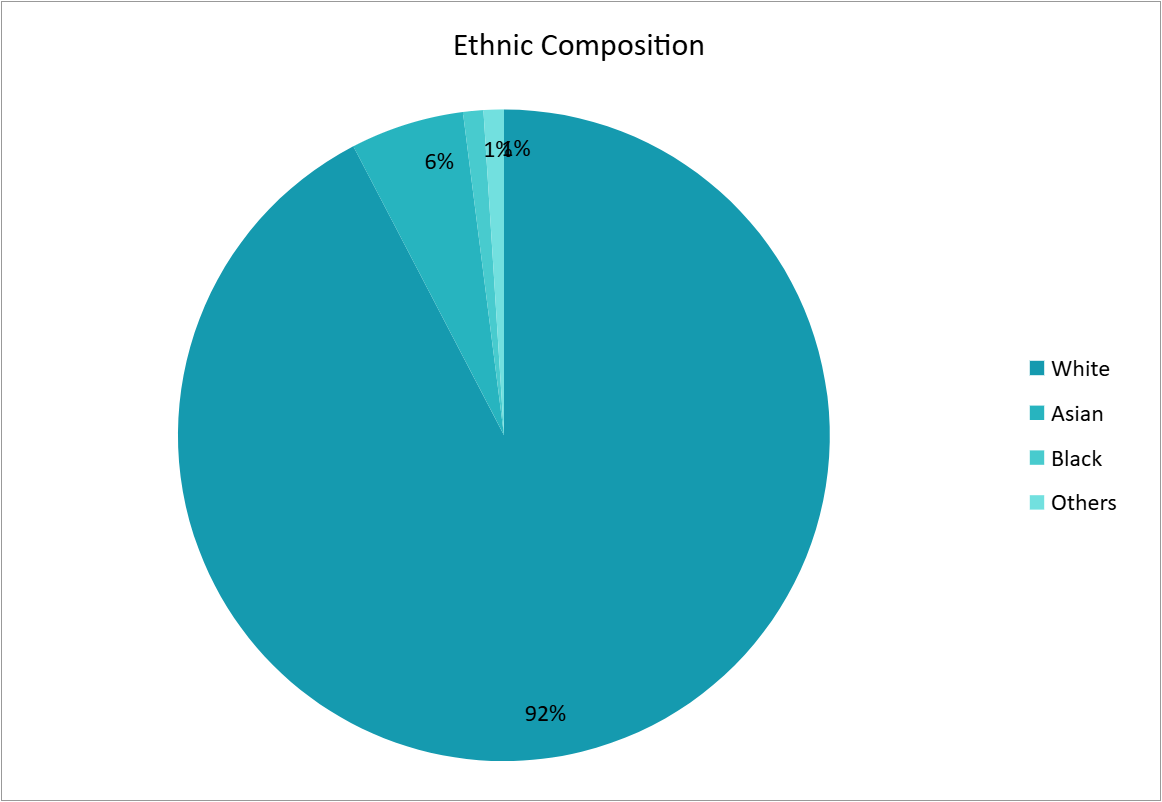
Germany's population is composed of 91.7% White, 5.6% Asian, 1.2% Black/African, and 1.5% other races.
German is the most widely spoken native language in the EU, with over 100 million speakers. Common immigrant languages in Germany include Turkish, Kurdish, Polish, various Balkan languages, and Russian. Surveys show that 67% of German citizens can communicate in one foreign language, and 27% can speak two or more.
Christianity has the largest number of adherents in Germany, followed by Islam; Buddhism and Judaism are smaller in scale.
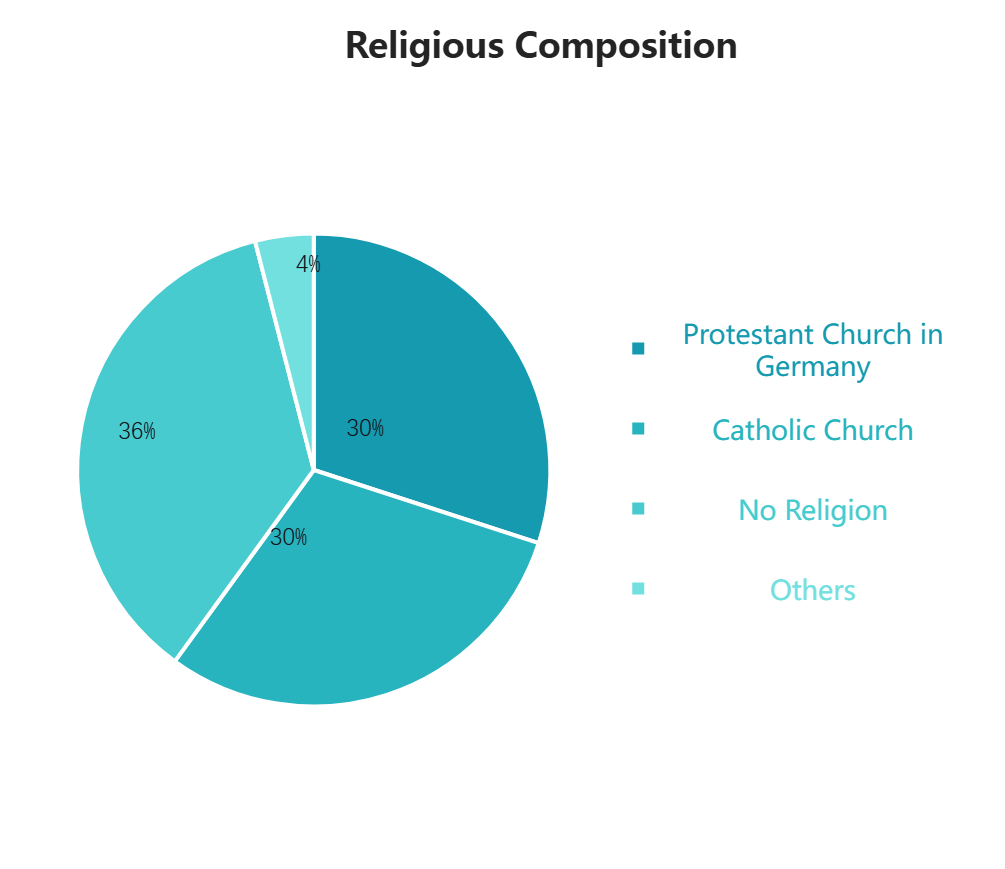
Over the past decades, Germany's two main Christian groups—the Evangelical Church in Germany (EKD) and the Roman Catholic Church—have both seen a continuous decline in membership, each now accounting for about 30% of the population.
"Following reunification, the proportion of people with no religious affiliation in the eastern regions rose, leading to a visible nationwide increase in the non-religious population. For example, in the state of Hamburg, non-religious groups have already become the majority.

Time Zones
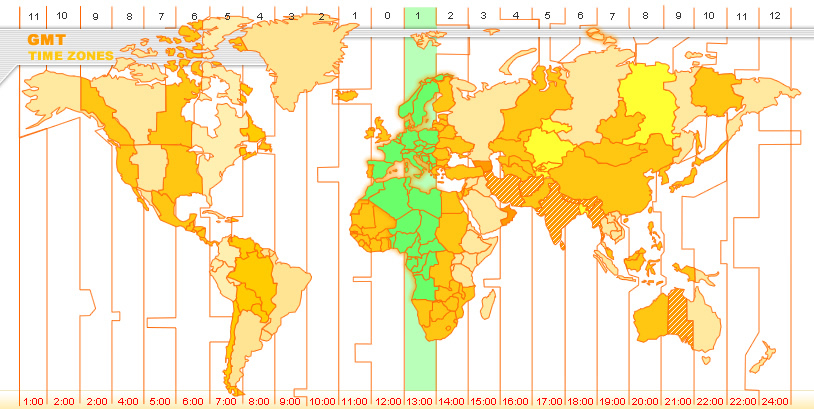
Germany is in Central European Time (CET, GMT+1), which is 7 hours behind China; during daylight saving time it is only 6 hours behind.
"Taking Berlin as an example, daylight saving time starts at 1:00 a.m. on March 28 and ends at 1:00 a.m. on October 31.

China–Germany Flights
Currently, nine cities in China operate direct flights to Germany, including Beijing, Shanghai, Guangzhou, Shenzhen, Chengdu, Nanjing, Shenyang, Qingdao, and Hong Kong, serving four destination cities in Germany: Munich, Berlin, Frankfurt, and Düsseldorf. There are about 294 flights per week.
"Flight durations range from 11 to 23 hours. Holidays and school breaks are usually peak seasons, when economy and business class fares are close to full price (often above RMB 10,000). In the off-season, one-way fares can be as low as just over RMB 3,000.

Economic Level
Germany is the world's third-largest economy and the largest in Europe.
As a highly industrialized and export-dependent nation, Germany has long maintained global leadership in automotive manufacturing, electrical engineering, machinery, and chemicals, and is widely recognized as one of the most competitive manufacturing countries in the world. A vast number of specialized, technically sophisticated small and medium-sized enterprises form the backbone of the German economy. In 2024, Germany's GDP reached USD 4.7495 trillion, and GDP per capita was EUR 50,836 (approximately USD 55,024). Industry
Germany's industrial system is complete and highly developed, with major sectors including electronics, aerospace, automotive, precision machinery, equipment manufacturing, and defense. German products are renowned for superior quality and advanced technology, with meticulous workmanship but higher costs. As Europe's largest car producer, the automotive industry is Germany's most important export pillar. At the same time, Germany is the world's third-largest machinery manufacturer and ranks first globally in machinery exports.
Agriculture
Germany has a very high level of agricultural mechanization. Although agricultural workers account for only 2%–3% of the population, most of the land is used for agricultural production, and both the output and quality of agricultural products are among the best in the world. Barley and hops rank among the top globally, providing a solid foundation for Germany's beer-brewing industry.
Tourism
Germany is the world's seventh most visited destination with a mature tourism industry. It attracts large numbers of domestic and international visitors every year and makes a significant economic contribution. In 2024, tourism revenue reached USD 39.731 billion, up from USD 37.374 billion in 2023.
Transportation
Germany has a well-developed transport system, with highly efficient road, waterway, and air networks. Its road density ranks first in the world and is known for efficiency and convenience.
Foreign Trade
As a major trading nation, Germany maintains economic and trade relations with more than 230 countries and regions. Nearly one-third of the national workforce is engaged in export-related jobs. Major exports include automobiles, machinery and equipment, chemical products, communications technology, power distribution equipment, and medical and chemical apparatus.
Outbound Investment
In 2018, Germany's outward direct investment reached EUR 132.67 billion, mainly flowing to Europe and North America. The Netherlands, the United States, Ireland, Luxembourg, and Spain were the main destinations.
Inbound Investment
In 2018, inward direct investment in Germany totaled EUR 89.151 billion, with the main sources being the Netherlands, Ireland, Switzerland, Luxembourg, and the United States.
Relations with China
In recent years, Sino-German economic and trade relations have become increasingly close. Data show that in 2020 China became Germany's second-largest export destination. In the electrical and electronics sector, exports to China reached EUR 23.3 billion that year, up 6.5% year-on-year, higher than in 2019, making China the largest export market for German electrical products.

Primary Education
Germany's early childhood education mainly includes two types: Kita (childcare for ages 0–3) and Kindergarten (preschool for ages 3–6). There is no rigid enrollment date; parents can choose flexibly based on the child's situation and may accompany the child during the adaptation phase.
The first stage of compulsory basic education is primary school. German law stipulates that children must enroll at age 7 and receive compulsory education. Most states have four-year primary schools, while Berlin and some areas have six-year systems. State primary schools do not charge tuition, and children typically attend the nearest school. Unlike many countries, German primary schools do not emphasize grades and rankings; instead, teachers assess students holistically, focusing more on cultivating interests and personality development.
Secondary Education (Lower Stage)
This is equivalent to the middle school stage in China, and students have three tracks:
Vocational Preparatory School: Focused on vocational education with an emphasis on practical skills;
Realschule (Intermediate Secondary School): Emphasizes intermediate vocational needs while retaining academic progression options;
Gymnasium (Academic Secondary School): Aims primarily at university entrance while allowing flexible transfers to other pathways.
"Secondary Education (Upper Stage)
In the upper grades of Gymnasium, students select courses based on their interests and future plans to prepare for university; in vocational schools, students receive systematic vocational and technical education to meet the demand for skilled professionals.

Higher Education
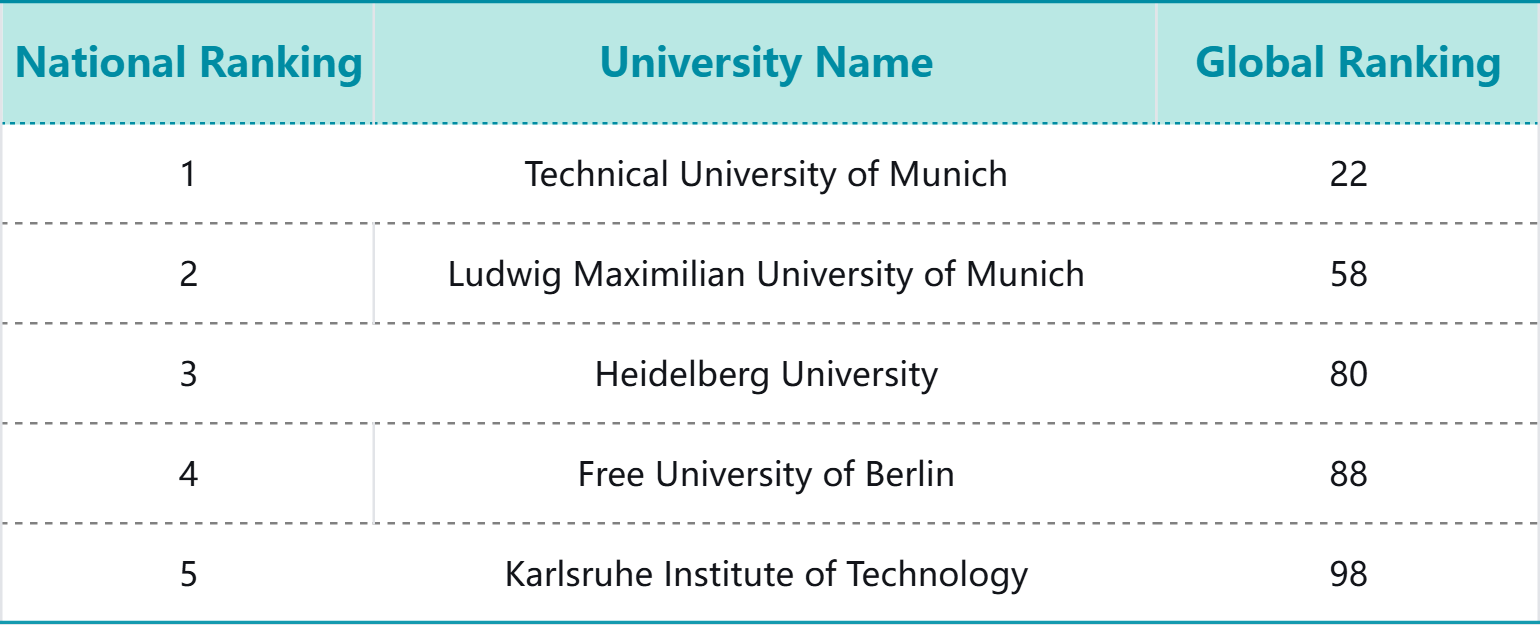
Germany's higher education system is diverse, including comprehensive universities, universities of applied sciences, teacher training colleges, and conservatories of music and arts. Comprehensive universities emphasize both research and teaching and can award Diplom, Magister Artium, and Doctor degrees. Universities of applied sciences focus on training application-oriented professionals, typically with 4–5 year programs culminating in a professional diploma. Some institutions also offer English-taught advanced programs (1.5–2 years) that lead to a master's degree, though they generally do not award doctorates.
Germany's healthcare system has a long history dating back to the Middle Ages, making it one of the earliest countries to establish universal health insurance. According to the World Health Organization, in 2015 Germany's healthcare expenditure accounted for 11% of GDP, among the highest in the world.
Currently, Germany's healthcare system covers the entire population and is primarily composed of two types of insurance:
Statutory Health Insurance (Sickness Funds): Applicable to those with incomes below a certain threshold and provided by non-profit funds. Premiums are jointly borne by employers and employees, benefits are standardized, outpatient costs are almost fully reimbursed, and around 90% of medication and hospitalization costs are reimbursable.
Private Health Insurance: Individuals with incomes above a certain level can opt for private insurance, enjoying more flexible and premium services.
In addition, civil servants and social welfare recipients often have their insurance paid through tax revenues. Residents may also purchase supplementary private insurance to cover areas not included in statutory insurance.
"System Features
Decentralized governance and social self-administration: Healthcare is run by social bodies rather than directly by the government, ensuring independence and efficiency.
Broad coverage and generous benefits: Universal coverage with a high share of healthcare spending, keeping the medical burden relatively manageable.
Diverse and high-quality services: Public and private resources operate in parallel, ensuring basic coverage while providing premium options for those with additional needs.
In recent years, German real estate has offered both strong appreciation potential and attractive returns. Foreigners can legally purchase property in Germany and enjoy the same prices, property rights, and tax regime as German nationals.

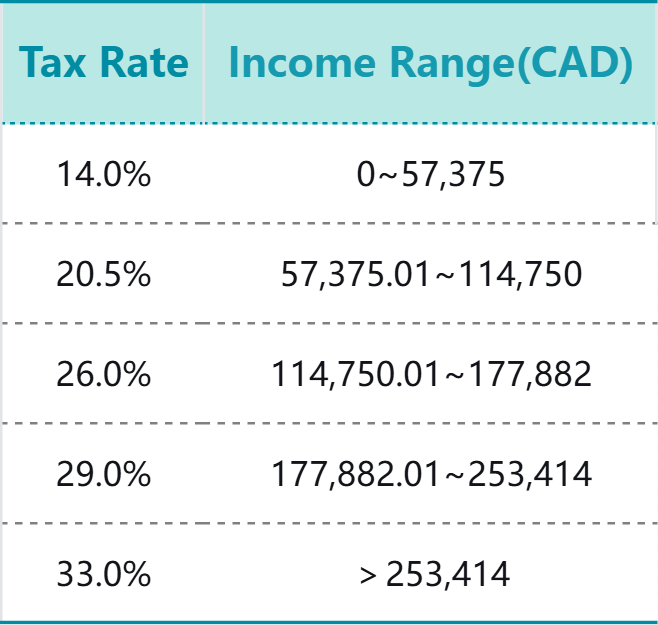
Individual Income Tax
Individual income tax is levied on a progressive basis. In 2004, the minimum and maximum rates were 15% and 42%, respectively.
It is collected through four categories: (1) wage tax on salaries and wages; (2) interest tax; (3) estimated income tax based on assessed income; (4) non-estimated income tax based on actual income.
1. Wage tax: The main component of individual income tax, accounting for about 43% of total tax revenue. Taxable income includes wages and income beyond wages, as well as income of doctors, accountants, lawyers, writers, etc. The tax base is the taxpayer's annual net income after deductible expenses. A progressive rate applies.
2. Capital income tax is levied on dividends, interest on deposits and interest-bearing securities received by individuals or enterprises. German companies must withhold 20% dividend tax when paying dividends to shareholders. Interest on bank deposits, fixed-interest bonds and other interest-bearing securities is taxed at 30%.
Germany is a federal state with a three-tier tax system at the federal, state, and municipal levels. Companies formed under the legal form of a limited liability company are corporate income tax taxpayers. Taxes are divided into shared taxes and exclusive taxes:
Shared taxes are jointly owned by two or three levels of government (federal, state, municipal) and are distributed among them according to specified rules and proportions;
Exclusive taxes are assigned solely to the federal, state, or municipal governments as their exclusive revenues.
Corporate income tax is a federal tax. The tax rate on corporate income, both before and after distribution, is uniformly 25%. Trade tax is an exclusive municipal tax and varies widely by locality, with an effective burden typically between 12.6% and 20.3%.
VAT is a shared tax and one of the most important taxes in Germany. It applies to the production, distribution, and import of goods as well as services. VAT is collected using the invoice credit method. The standard rate is 19%, while a reduced 7% rate applies to certain items such as food, local passenger transport, books, newspapers, and works of art.
州税 State Tax
If the deceased (donor) or the recipient (beneficiary) is a German resident at the time of death (or donation), inheritance and gift tax is levied on worldwide assets. If neither the deceased (donor) nor the recipient (beneficiary) is a resident, only domestic assets are taxed. Heirs or recipients of real estate are subject to the corresponding inheritance or gift tax, which can be planned in multiple tranches within the annual tax-free allowance to achieve tax efficiency. The rates are divided into nine classes based on the degree of kinship between the recipient and the deceased (donor).
Property tax is a municipal tax and varies widely by region. For example, New York imposes a 1% mansion tax on properties over USD 1 million, and some areas of Los Angeles levy infrastructure surcharges. Property tax primarily funds local public education.
If the deceased (donor) or the recipient (beneficiary) is a German resident at the time of death (or donation), inheritance and gift tax is levied on worldwide assets. If neither the deceased (donor) nor the recipient (beneficiary) is a resident, only domestic assets are taxed. Heirs or recipients of real estate are subject to the corresponding inheritance or gift tax, which can be planned in multiple tranches within the annual tax-free allowance to achieve tax efficiency. The rates are divided into nine classes based on the degree of kinship between the recipient and the deceased (donor).
Introduction to Deductible Taxes
Deductible expenses under individual income tax can be broadly divided into three categories:
1) Werbungskosten: Necessary job-related expenses (the tax office automatically deducts EUR 1,000 when calculating withholding)
- Commuting costs
- Work (study)-related expenses
- Relocation expenses due to work/study/internship needs
2) Sonderausgaben: Private expenses
Includes: personal liability insurance, mandatory health insurance, long-term care insurance, pension contributions, donations to charities, childcare expenses (max EUR 4,000 per child per year), home renovation and maintenance costs, alimony for parents (including those abroad), and spousal/partner support payments
3) Außergewöhnliche Belastungen: Extraordinary expenses
These are large, unavoidable expenditures, commonly medical-related such as laser eye surgery or out-of-pocket prescription drug costs. These cannot be deducted 100%—lower-income, married households with children can deduct more.
Corporate tax deductions:
1) Input VAT on imported goods or services provided by the company can be credited;
2) If products and services are used for both business and private purposes, input VAT on the business-use portion can be credited, proportional to the business-use share;
3) If input VAT exceeds output VAT, a refund is available;
4) Input VAT on land used for commercial purposes can be credited.
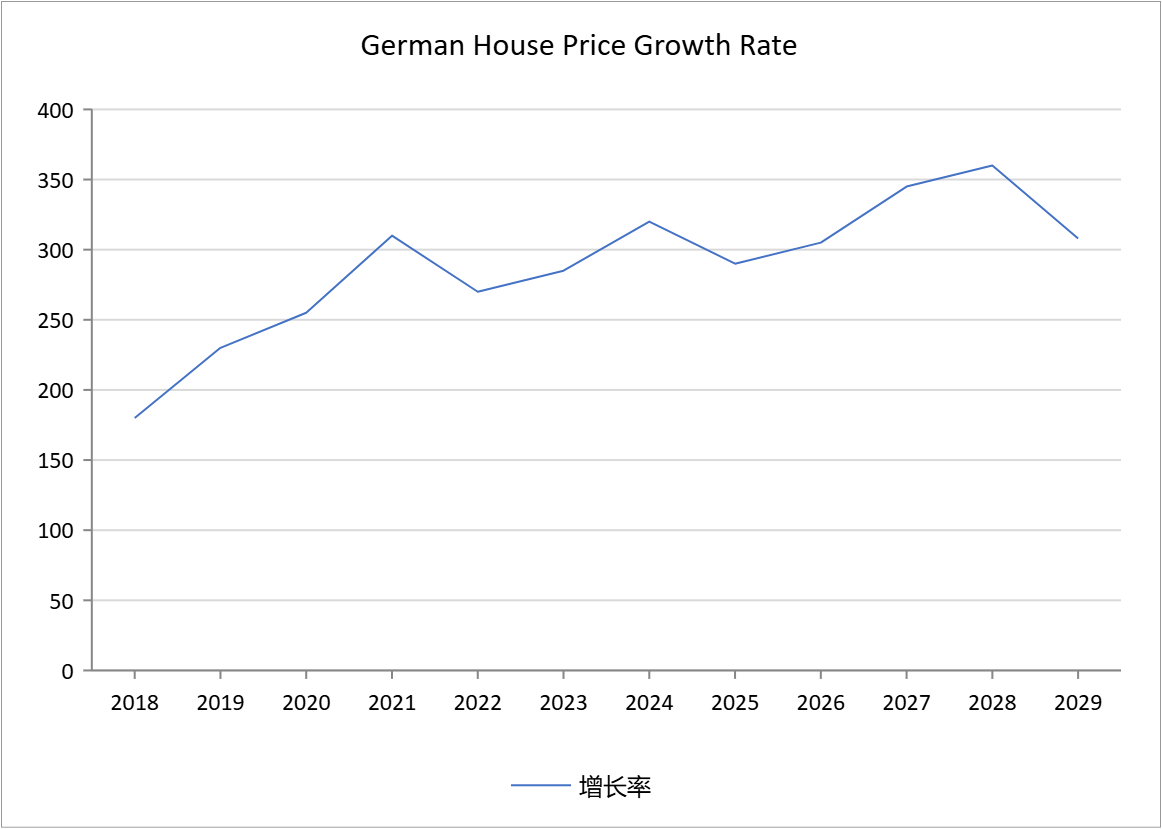
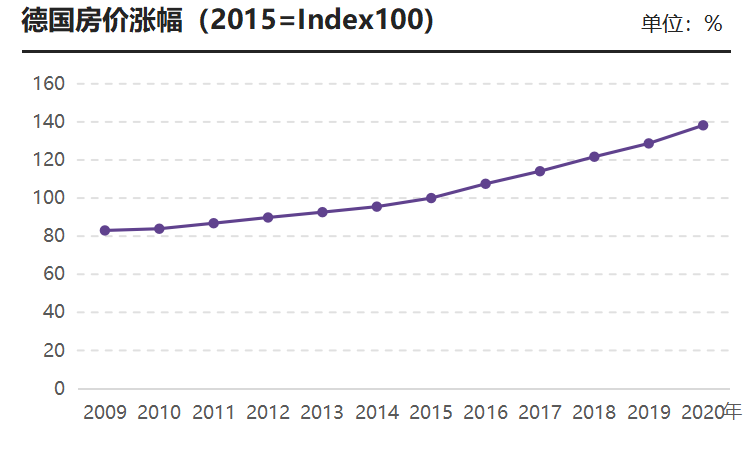
Over the past decade, German home prices rose sharply, then declined, and have recently shown signs of recovery. From 2015 to 2022, prices entered a rapid and substantial uptrend. From 2010 to 2019, real estate prices rose by at least 50%. However, as interest rates climbed, the long boom stalled in 2022. Home purchase prices fell by about 8% in 2022; compared with the 2022 peak, single-family homes dropped the most (down as much as 8%), followed by building land and apartments. In major cities, property and building land prices fell by an average of 13%, while single-family homes in mid-sized cities fell as much as 16%. In 2024, the average prices of building land, houses, and apartments fell a further 5% compared to 2023, but since mid-2024, prices have shown signs of rebounding and have started to rise again.
Germany Housing Market Outlook 2020–2035
Over the past decade, more than 4.5 million new immigrants have moved to Germany, yet the construction sector has failed to keep pace with housing demand. As of 2020, persistent supply–demand imbalances had resulted in a shortage of 1 million homes.
Due to the severe housing shortage, the COVID-19 pandemic had limited impact on the residential market; institutional demand for real estate may even have increased as a result. Safe-haven demand and low interest rates drove a significant rise in housing prices in 2020, a trend likely to continue for several years.
By 2035, the market value of Germany's housing stock is expected to reach EUR 15.3 trillion, with average housing prices rising 42.13% over the same period. Consumer spending on housing rents is expected to follow a similar trajectory, rising 44.48% between 2020 and 2035.
Brokerage Industry Characteristics
The scope of work of real estate brokers in Germany is similar to that in China, but commission rates differ. For private property sales, the average fee ranges from 5.95% to 7.14%. The commission can be split between buyer and seller, borne by the buyer, or paid by the seller—subject to negotiation.
Policies and investment conditions for Chinese investors
There are no purchase restrictions on buying property in Germany. Multiple properties can be purchased and financed. With low interest rates, leverage can be used efficiently. Germany's property market is still in an early phase, with substantial room for appreciation. Currently there are not many domestic (Chinese) buyers involved, enhancing the investment value.
According to 2025 Eurostat data:
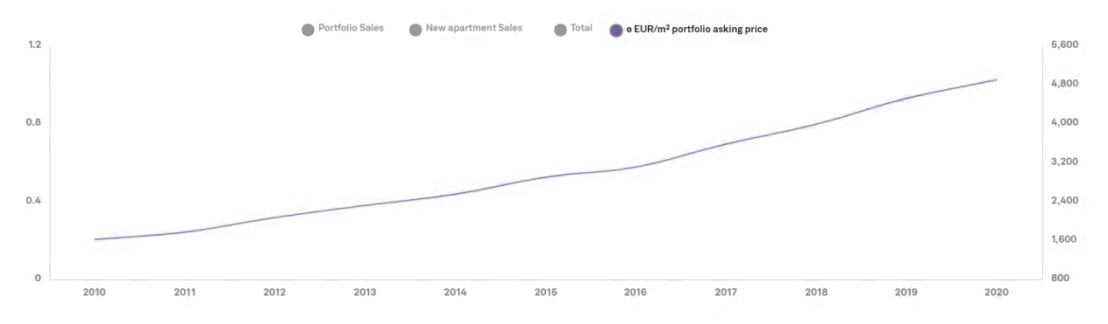
Before 2009, housing prices in Germany were generally stable. Starting in 2009, prices rose steadily, especially after 2015 when they accelerated.
Since 2010, average residential prices in Germany have increased by more than 50%. Prices in the seven major cities—Berlin, Munich, Hamburg, Frankfurt, Düsseldorf, Cologne, and Stuttgart—have long since doubled. Homes in first-tier cities are consistently scarce. Taking Berlin as an example, the following shows price trends over the past decade:
Average apartment prices in Germany's first-tier cities in 2025:
Berlin – prices up 7.2% year-on-year; median EUR 4,743 per sqm
Hamburg – prices up 9.5% year-on-year; median EUR 4,750 per sqm
Cologne – prices up 10.6% year-on-year; median EUR 3,609 per sqm
Düsseldorf – prices up 6.9% year-on-year; median EUR 3,338 per sqm
Munich – prices up 5.1% year-on-year; median EUR 7,882 per sqm
Frankfurt – prices up 5.5% year-on-year; median EUR 4,138 per sqm
Stuttgart – prices up 7.3% year-on-year; median EUR 4,037 per sqm
Southern Germany saw the largest year-on-year increase in apartment prices. Munich ranks among the highest in Germany with an average of EUR 7,882 per sqm, followed by Hamburg, then Berlin, with Frankfurt in fourth place.
Most transactions are represented by a buyer's agent and a seller's agent, similar to the attorney model, ensuring negotiations are truly conducted in the client's interest.
In the United States, whether buying a new home or a resale home, the buyer does not pay a commission. Pricing is transparent, avoiding concerns about markups or hidden fees.

Market Data
According to the National Association of Realtors (NAR) International Transactions Report for 2024–2025:
Foreign buyers purchased about 78,000 homes, totaling approximately USD 56 billion;
The median price paid by foreign buyers was USD 494,000, higher than the U.S. median of USD 408,000;
Chinese buyers remained the largest overseas group, purchasing 11,700 homes (15% share) totaling USD 13.7 billion—more than twice the Canadian buyers' total;
The average price per home purchased by Chinese buyers was USD 1.168 million, about 62% higher than the average price paid by foreign buyers (USD 719,000);
California has long been the top choice for Chinese buyers (36%), followed by Maryland and New York (9% each), and Hawaii (5%).
"After declining from the 2017 peak, purchases by foreign buyers in the U.S. bottomed in 2024 (USD 42 billion) and recovered to USD 56 billion in 2025, surpassing pre-pandemic levels. The stability and safe-haven attributes of U.S. dollar assets remain a key focus for global high-net-worth clients.

Rental Yields
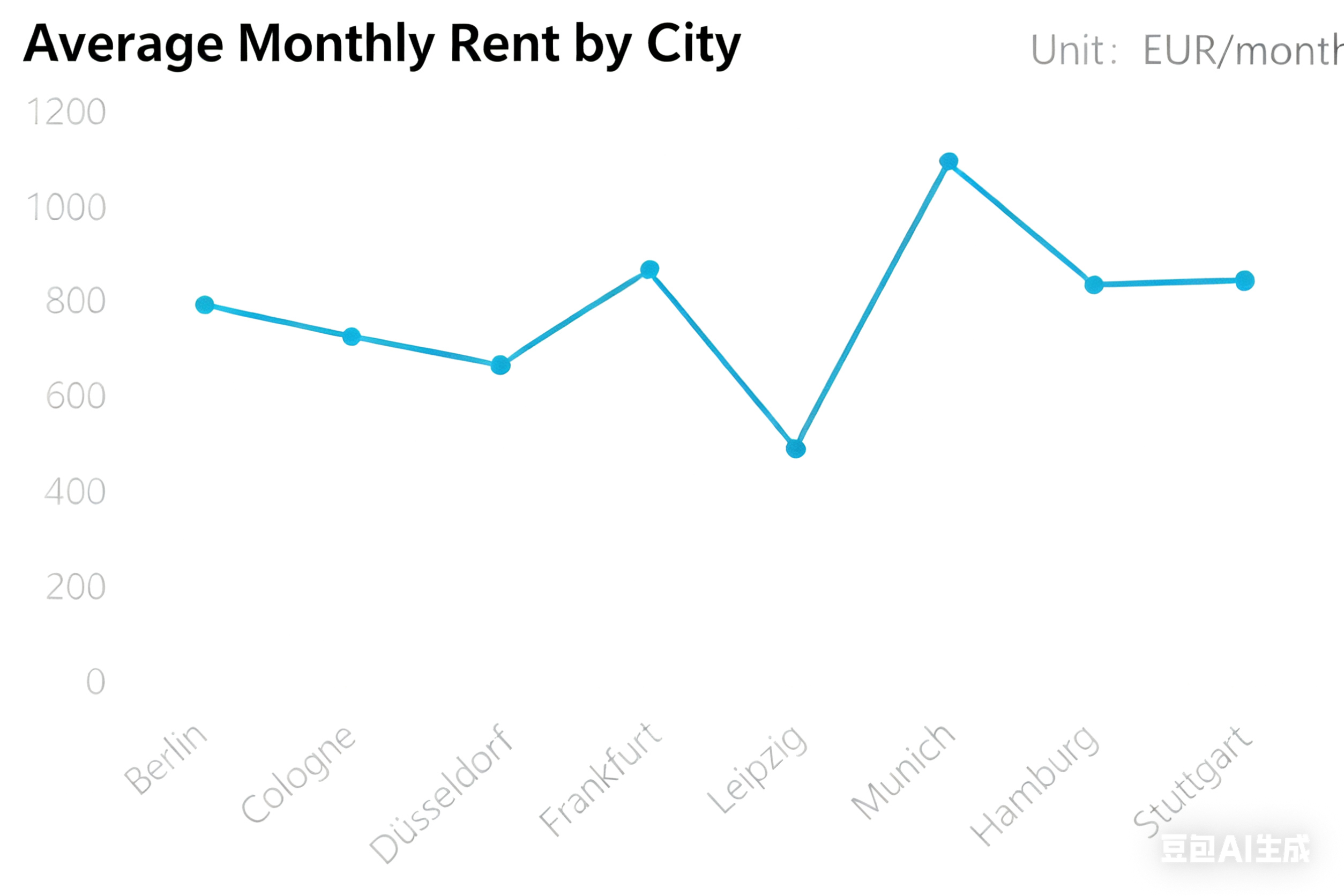
Currently, rents in Germany are rising faster than home prices, prompting the government to introduce measures last year to curb rent increases. The main reason for rising rents is strong demand. Below are rental levels for selected cities in 2020:
The best-performing major cities include Berlin, Cologne, Frankfurt, Hamburg, and Munich. As in China's first-tier cities, these major cities attract more high-quality population inflows and can sustain resilient rental returns.
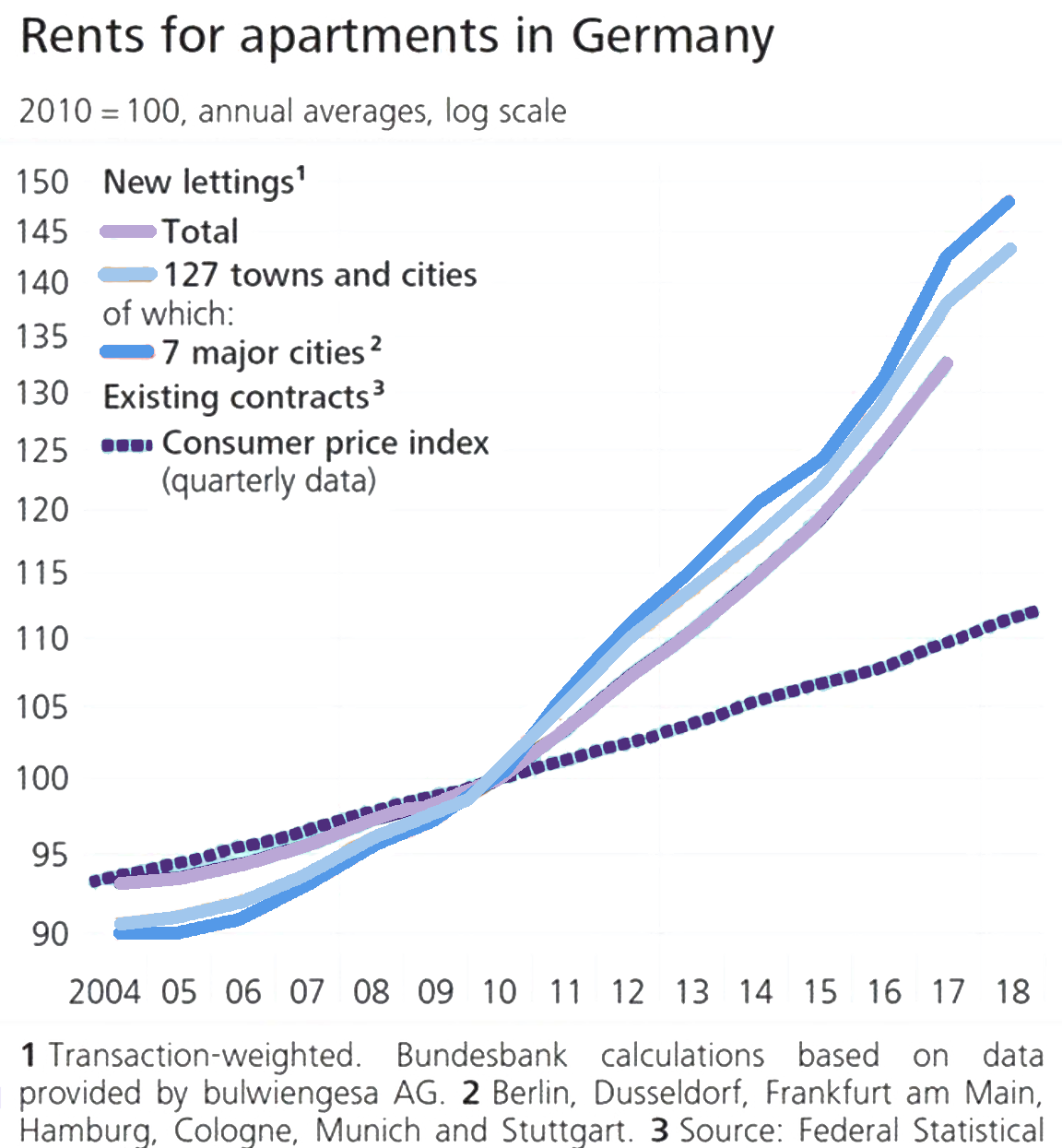
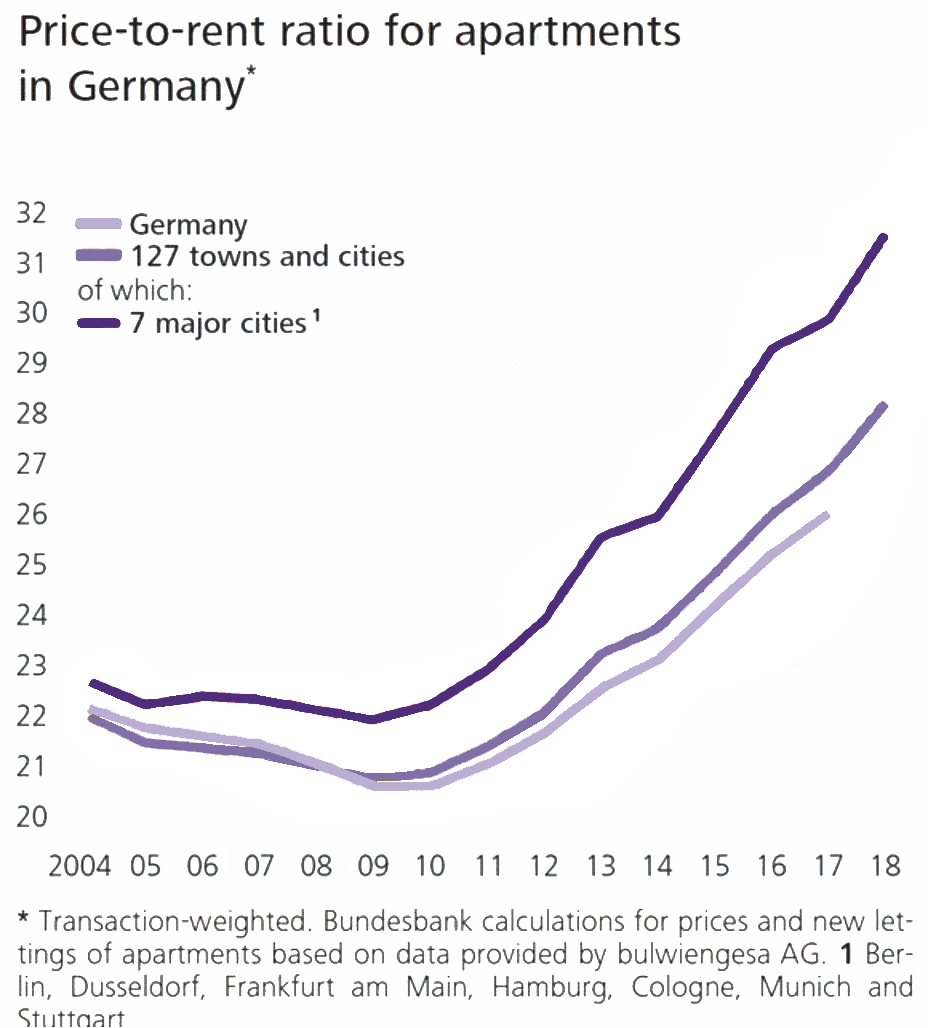
As shown in the chart, from 2004 to 2018 apartment rents in Germany rose steadily, and the rent-to-price ratios in the seven major cities were significantly higher than in other regions. The data suggest prioritizing first-tier developed cities for property investment in Germany—not only to obtain sustained high rental returns but also to benefit from rent increases that outpace other cities.
Investment Outlook
1. European GDP Growth 2000–2035
As of 2025, Germany is the world's third-largest exporter with an economy exceeding EUR 3.32 trillion. Germany has a highly skilled workforce and a strong innovation capacity, ranking fourth globally in R&D. From 2020 to 2035, Germany's GDP is expected to grow to EUR 5.29 trillion (+59%), maintaining Europe's largest economic expansion of more than EUR 1 trillion.
2. Government Debt-to-GDP Comparison (%)
Germany's debt-to-GDP ratio has remained relatively low among European countries, and it is considered one of the least risky investment destinations in the EU.
3. European Unemployment Trend 2011–2025
Germany's stable economic system has resulted in the EU's lowest unemployment rate. In 2025, Germany's unemployment rate is only 3%. Even during the pandemic, it rose only to 4%, increasing less and recovering faster than other EU countries.
4. Population Trends in Germany 2000–2035
Germany has the largest population in the EU. Due to political uncertainty and economic crises in other EU countries, about 4.5 million EU migrants have moved to Germany in the past decade, bringing the current working population to 47 million. Over the next 15 years, the populations of Leipzig are expected to increase by 13%, and Berlin and Munich by 10%.
Popular Cities
Berlin is the capital of the Federal Republic of Germany and its largest city, with about 3.4 million residents. Located in northeastern Germany and surrounded by the state of Brandenburg, the city is traversed by the Spree and Havel Rivers. Berlin is one of Germany's sixteen federal states and, along with Hamburg and Bremen, one of the country's three city-states. In culture, politics, media, and science, Berlin is a world-class city. Its economy is primarily service-based, including various creative industries, media groups, and venues for parliamentary events.
Disclaimer: All of the above country information is sourced from the internet and is for reference only. In case of discrepancies, please refer to actual conditions. If any information is inaccurate, please contact us for correction in a timely manner.