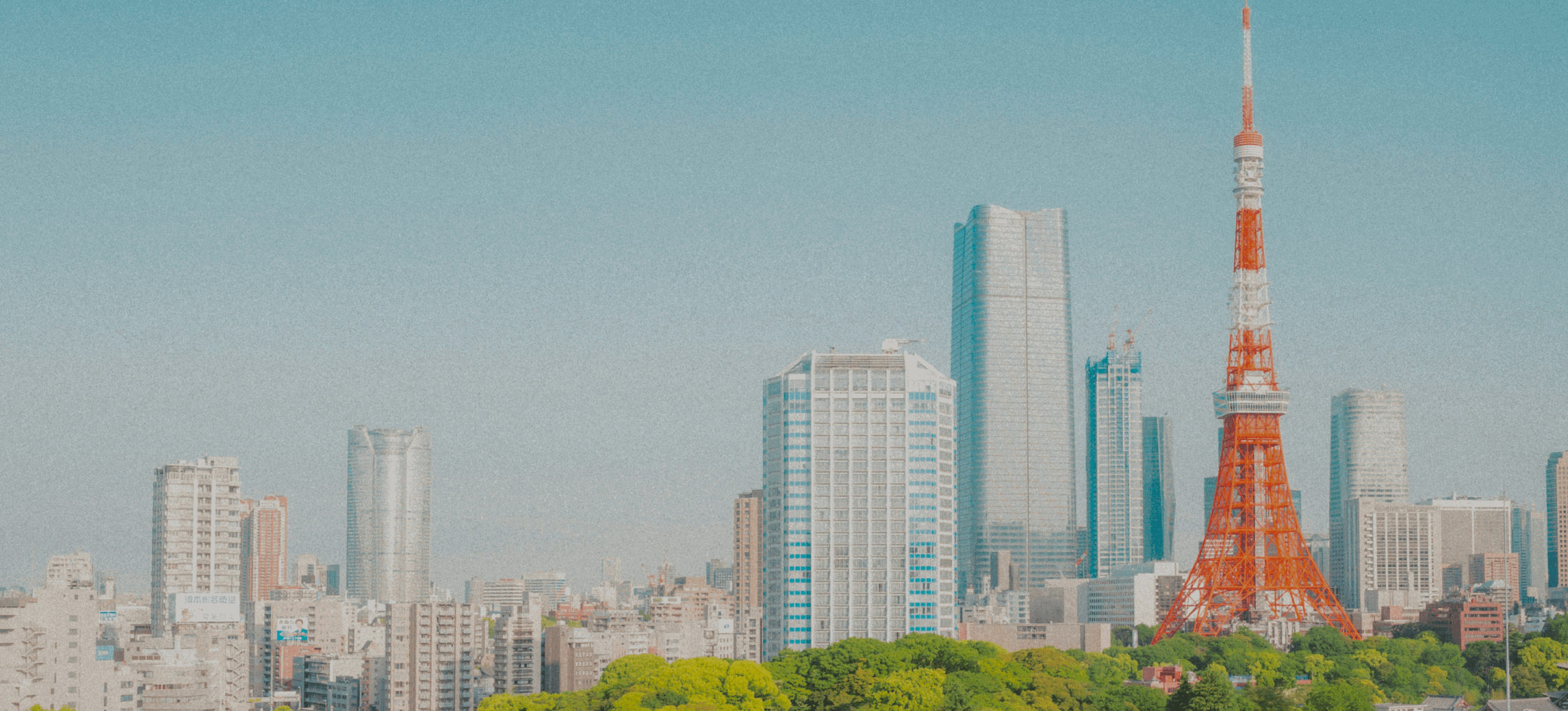
Since the real estate bubble burst in the 1990s, Japan's property market has remained relatively stable. Coupled with the yen's status as an internationally recognized safe-haven currency, and the fact that both Japanese real estate and land come with permanent ownership rights, it maintains long-term investment value.Currently popular investment types include luxury condominiums and whole apartment buildings, with a general entry threshold starting around 10 million RMB. Premium properties in core areas often require a higher budget. Return on investment (ROI) tends to be rational, generally between 2% and 5%. However, the advantage presented by the weak yen makes Japanese real estate continue to attract global investors.The upcoming Osaka Expo 2025 and the approved Osaka Integrated Resort (IR/Casino) project, planned to open by 2029, will drive regional infrastructure construction and economic vitality, further boosting investor confidence. The Tokyo Metropolitan Area remains the world's largest urban agglomeration by both population and economic scale. Population continues to concentrate in core areas, rental demand is strong, and the market is stable long-term. With continued inflow of overseas capital, property prices and rents in core areas of Tokyo and Osaka generally show a stable or slightly increasing trend.

Geographical Location
Japan is located in East Asia, comprising 6,852 islands including the Japanese Archipelago, Ryukyu Islands, and the Izu-Ogasawara Islands. Its land area is approximately 378,000 square kilometers, similar to the size of China's Yunnan Province, making it the largest developed country in Asia by area. Japan is surrounded by sea, adjacent to the Pacific Ocean, Okhotsk Sea, Japan Sea, and East China Sea. It borders the Korean Peninsula and the Russian Far East to the west, connects to the Kuril Islands to the northeast, and faces mainland China and Taiwan across the sea to the southwest.Administratively, Japan has 1 metropolis (Tokyo), 1 district (Hokkaido), 2 urban prefectures (Osaka, Kyoto), and 43 prefectures, under which are cities, towns, villages, and special wards. Informally, the country is often divided into regions like Kanto, Kansai, and Tohoku.

Demographics
Japan's population is approximately 126 million, ranking 11th globally. After peaking in 2008, the overall population has entered a long-term, slow decline, projected to potentially drop to around 100 million by 2050. Despite the national population decrease and significant aging trends, major metropolitan areas like the Tokyo Capital Region and the Osaka-Kansai region continue to experience net population inflow.The Tokyo Metropolitan Area ("One Metropolis, Three Prefectures") has a population of about 36 million, accounting for 29% of the national total, making it the world's largest urban agglomeration by population, density, and economic scale.The Osaka-Kyoto-Kobe (Keihanshin) region has about 18 million people, accounting for 14% of the national population.As of the end of 2024, over 830,000 Chinese nationals live and work in Japan, remaining the largest foreign group, constituting nearly one-third of the foreign population. About 430,000 (52%) reside in the Capital Region, and about 110,000 (13%) live in the Kansai region. Traditional Chinese communities include Yokohama Chinatown, Kobe's Nankin-machi, and Nagasaki Chinatown. Areas like Ikebukuro, Kameido, Nishikawaguchi, and Kinshicho in Tokyo are gradually forming new Chinese enclaves. Areas such as Namba and Nipponbashi in Osaka, and parts of Kyoto, also exhibit a growing Chinese community atmosphere.Japan is a typical mono-ethnic nation, with the Yamato people constituting over 95% of the population. Other groups include the indigenous Ainu people of Hokkaido (approx. 200,000), people of Korean descent (approx. 860,000), people of Chinese descent (approx. 920,000), and an unspecified number of Ryukyuan indigenous people.
Japanese is the primary language. Most residents and foreigners in Japan use Japanese, but regional dialects vary significantly. The most representative is Kansai-ben (Kansai dialect), often featured in entertainment and comedy, somewhat analogous to China's Northeastern dialect.English is a compulsory subject in basic education, but due to Japanese pronunciation characteristics and katakana transliteration habits, Japanese people often struggle with English pronunciation (especially 'r' and 'l' sounds).Japanese writing consists roughly of one-third Kanji (Chinese characters), one-third Katakana, and one-third Hiragana. For Chinese speakers, learning Japanese is relatively easier. Even without Japanese language skills, one can often navigate Japan without getting lost due to many shared characters.
According to 2018 data: Approximately 62% of Japanese have no religious affiliation, Buddhists account for about 31%, Shinto adherents about 3%, Christians about 1%, other religions about 1%, and 2% gave no answer.Although most Japanese do not have fixed beliefs, many life rituals and activities are closely related to Buddhism and Shinto, such as holidays, weddings, and funerals. Although Christians constitute less than 1%, they often hold higher socioeconomic status, giving them social influence far exceeding their numbers.

Time Zone
Japan uses Japan Standard Time (JST, GMT+9), based on the time zone of its capital, Tokyo. Japan does not observe Daylight Saving Time, so the time remains stable throughout the year. Compared to China, Japan Standard Time is 1 hour ahead. For example, 8:00 AM Beijing Time corresponds to 9:00 AM Tokyo Time.

China-Japan Flights
As of the end of 2024, over 12 airlines operate routes between China and Japan. More than 40 Chinese cities offer direct flights to over 20 Japanese airports including Tokyo, Osaka, Nagoya, Fukuoka, and Sapporo, with weekly flight totals exceeding 900. Routes between Beijing/Shanghai/Guangzhou/Shenzhen and Tokyo/Osaka/Nagoya are the most dense.Flight times range from approximately 2.5 to 6.5 hours: the shortest route is Osaka-Yantai, about 2 hours 20 minutes; the longest is Tokyo Narita-Xi'an, about 6 hours 30 minutes. Routes with the highest passenger volume remain Beijing/Shanghai - Tokyo/Osaka, with a flight duration of about 3 hours.Regarding fares, they have gradually returned to normal post-pandemic. In 2025, the average round-trip economy class fare on China-Japan routes is expected to be around 2,800 - 3,500 RMB. During peak seasons like summer vacation and Chinese New Year, fares can exceed 4,500 RMB; during off-peak seasons like November and February, the lowest round-trip fares can drop to around 2,200 RMB.

Economic Level
Japan is the world's third-largest economy by GDP, after China and the US. Between 1960 and 2008, Japan long held the position of second largest.Historically, Japan's economy experienced rapid growth from the 1960s to the 1980s, hailed as the "post-war economic miracle." During this period, many world-renowned Japanese multinational corporations were born. After the 1985 Plaza Accord, stock and property prices soared, making Tokyo briefly the world's most expensive city. It was said the land value of the Tokyo Imperial Palace equaled that of the entire state of California, and the 23 wards of Tokyo equaled the entire US. However, due to excessive risk from high stock and land prices, the Bank of Japan chose to prick the bubble in 1989. Stock prices subsequently fell, and property prices entered a long adjustment period throughout the 1990s. Japan chose "real economy" over "asset bubble," which is why it still maintains world-leading positions in areas like automobiles, machinery manufacturing, and semiconductors, while the real estate market exhibits very low bubble levels.Japan is a typical free-market economy. Its scientific research capabilities, industrial base, and manufacturing technology are among the world's best. It is also the world's fourth-largest exporter and importer. In 2024, Japan's GDP was approximately $4.2 trillion .Japan's GDP per capita is approximately $33,900, while its unemployment rate has remained around 2.5% over the long term, one of the lowest among major developed countries.In terms of human development indicators, Japan's average life expectancy exceeds 84 years, consistently ranking among the highest in the world for many years. In the UN Human Development Index (HDI), Japan ranks within the global top 20, reflecting a high quality of life characterized by high income, advanced education levels, and longevity.Furthermore, Japan has maintained its position as the world's largest creditor nation for over 30 consecutive years. By the end of 2023, its net external assets reached approximately $4.3 trillion, solidifying its long-standing role as the largest global external investor. These factors collectively reinforce Japan's image as a "prosperous and stable" nation.
Educational Resources

Primary Education
Japan's school system is similar to China's, implementing compulsory education consisting of 6 years of elementary school and 3 years of junior high school. The difference lies in the academic year schedule: China typically starts in September and ends the following August; Japan starts in April and ends the following March.Japan achieved universal high school education over 50 years ago and is currently advancing towards making high school education compulsory. Japan's literacy rate is as high as 99%, ranking first globally.The education system is divided into public and private. Public schools are free to attend but require resident status or a long-term visa. Japan has a "school district" system, but the boundaries are relatively large. For example, in Tokyo, students residing within approximately 4 kilometers of a school can apply; if applicants exceed capacity, selection through exams and interviews may be necessary. Private school tuition is higher but generally lower than comparable institutions in the UK and US.

Higher Education
The vast majority of students continue their studies after compulsory education. In 2010, the enrollment rate for Japanese high schools (equivalent to senior high school) reached 98%, ranking first globally; the university enrollment rate was also high at 45.5%.Japan's university admissions system differs from China's unified national college entrance exam (Gaokao), relying primarily on independent admissions by each university, with exams usually held around February each year. Universities are divided into three categories: national, public, and private. National Universities: e.g., University of Tokyo, Kyoto University, which have produced 10 and 11 Nobel laureates respectively.Private Universities: e.g., Waseda University, Keio University, which are cradle of elites in Japanese politics and business, having produced 13 and 3 prime ministers respectively.For international students, if they find employment in Japan after studying, they can typically obtain a work visa smoothly. After working for 1-5 years, they can apply for Japanese permanent residency.
Japan's health insurance is primarily divided into National Health Insurance (NHI) and Employee Health Insurance. NHI covers ordinary nationals and foreigners with long-term residence visas, such as students, farmers, self-employed individuals, and retirees, with the state covering 70% of medical fees. Employee Health Insurance covers current employees and their dependents, with the state covering 80% of fees.Due to Japan's superior natural environment, generous social medical security, advanced medical technology, health insurance system, and overall good lifestyle habits, the average life expectancy of Japanese people has long been the highest in the world: 87 years for women and 81 years for men.
Due to the existence of "Tax Treaties" between OECD countries, double taxation between China and Japan is avoided. If tax has already been paid in China, it does not need to be paid again in Japan.National Taxes.Income Tax: Levied on the income of residents and non-residents with income sourced in Japan. The threshold is annual income exceeding 2 million yen. Similar to China's individual income tax, but the tax brackets and exemption amounts are higher.Consumption Tax: Levied on the value added of goods and services, increased to 10% in October 2019. Holders of short-term tourist visas, or those on other visas residing in Japan for less than 6 months, can be exempt (from paying it on purchases under the tax-free scheme for tourists). The purchase price of a property already includes consumption tax, so no need to worry about double payment. When selling a property, transactions between individuals do not incur consumption tax again.Inheritance and Gift Tax: Levied on financial heirs or recipients of bequeathed property. Inheriting real estate results in less tax compared to inheriting cash deposits, making property purchase a common tax-saving method for wealthy Japanese. The inheritance tax threshold in Japan is 30 million yen + 6 million yen * number of heirs. If the inheritance is below the threshold, no inheritance tax is levied. Spouses have a tax-free allowance of 160 million yen. There are specialized professionals called Zeirishi (Tax Accountants/Lawyers) in Japan to assist with tax filing and planning, typically charging around 20,000-30,000 yen per service.Social Security Taxes: National Health Insurance Tax, National Pension Tax, etc.Local Taxes:Resident Tax (Juminzei): Levied by local governments to fund education, welfare, public healthcare, garbage disposal, etc.

Deductible Items/Tax Considerations for Overseas Buyers
There is no additional tax specifically for overseas buyers.When selling a property, if sold by an individual to another individual, consumption tax is not levied again.Capital gains tax upon selling a property can be offset by property holding costs (including management fees, maintenance fees, property tax, etc.).(Reiterated) Japan's inheritance tax threshold is 30 million yen + 6 million yen * number of heirs. Inheritance below the threshold is exempt.(Reiterated) Zeirishi assist with tax filing and planning, costing around 20,000-30,000 yen per service.
As an established capitalist country, Japan's real estate market has undergone over a century of development and the impact of the 1990s bubble. It is now in a relatively stable phase. All new construction projects must undergo three stages of review by the city government (pre-construction, mid-construction, completion) to ensure safety and compliance.Real estate professionals require strict professional qualifications. Nationally mandated qualification exams include: Takken (Real Estate Transaction Agent), Real Estate Appraiser, Land and House Surveyor, Apartment Management, Management Business Chief, First/Second Class Architect, Judicial Scrivener (acts for the buyer), Real Estate Consulting Skills, etc., reflecting the industry's specialization and standardization.

Market Data
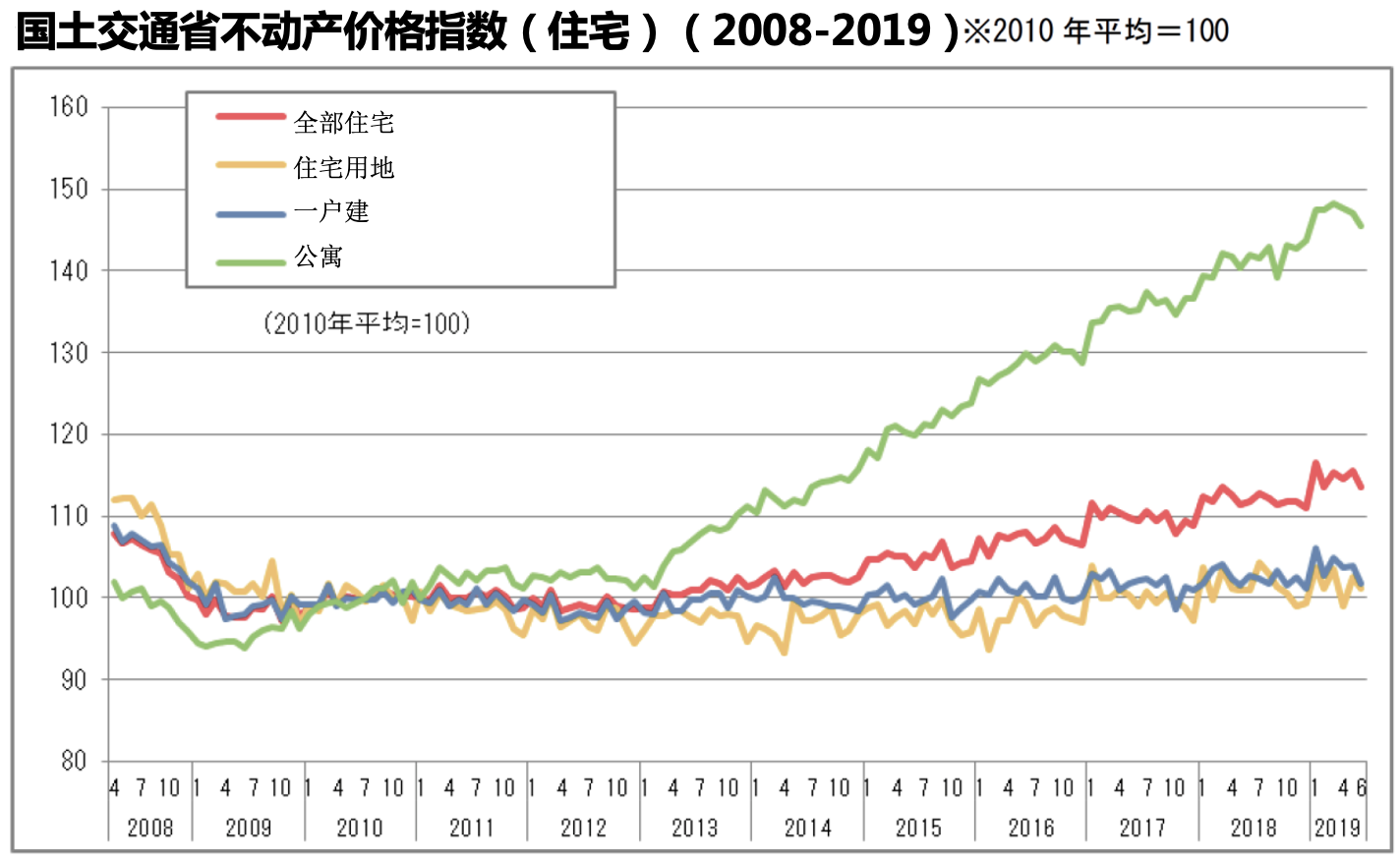
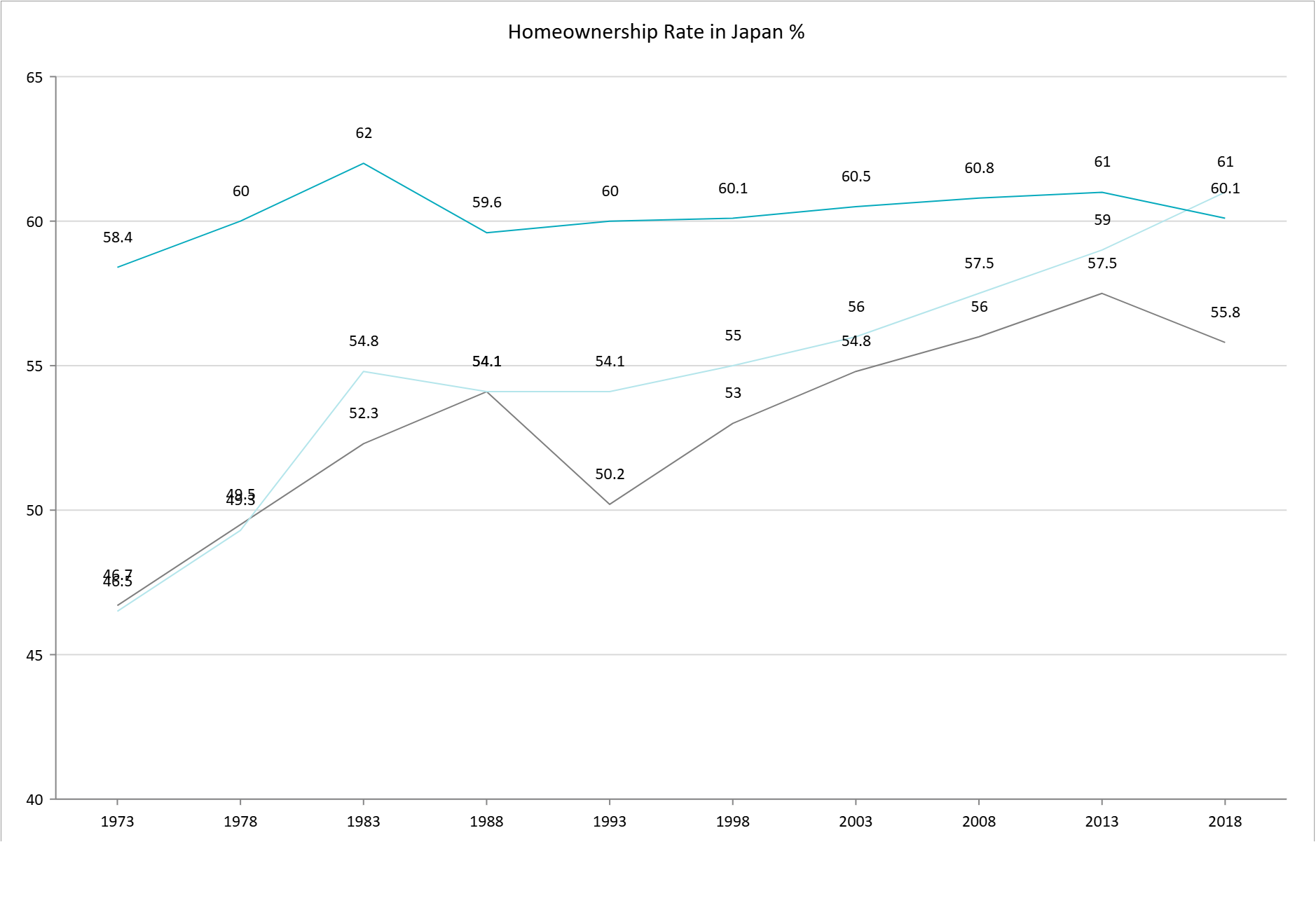
Long-term:The chart from the Ministry of Land, Infrastructure, Transport and Tourism (MLIT) shows the 2008-2025 Housing Price Index. It indicates that Japan's overall residential prices have shown a cyclical trend of stable growth. Condominium prices have risen significantly, roughly doubling (100% increase) over the ten years since 2010, while detached houses have been relatively stable, with increases around 20%.In commercial real estate, shops, offices, and whole apartment buildings saw significant increases, around 60-70% over 10 years.The chart shows the average total price per unit for new condominiums in the Tokyo area and Osaka from 1985-2020 (Blue: Tokyo, Yellow: Osaka). Since the collapse of Japan's economic bubble in 1990, housing prices have been rising steadily. By 2020, the average total price in Tokyo had nearly recovered to the 1990 level, reaching around 60 million yen per unit. Osaka's average unit price of 40 million yen was still below its 1990 peak of 50 million yen. Buying in Tokyo now costs about the same as 30 years ago, while the Osaka area offers more potential for price appreciation.Observing the price changes in the two major metropolitan areas during 2008-2009, Tokyo real estate saw only a -5% decline during the global financial crisis, and Osaka even less at -3%, recovering to pre-crisis levels within two years. This demonstrates the strong resilience of Japanese real estate. Performance during the COVID-19 pandemic was even stronger; in 2020, average unit prices in Tokyo and Osaka increased against the trend by 1.7% and 8.1% year-on-year, respectively.The chart shows the average total price per unit and average price per square meter for new condominiums in various areas of the Tokyo region from 2000-2020. Figure 1 (Dark Blue Line): Tokyo's 23 wards, new condos. Figure 2 (Light Blue Line): Tokyo's 23 wards, second-hand condos average price per m². Figure 3 (Dark Blue Line): Osaka Prefecture, new condos average total price and price per m².Tokyo's 23 Wards (New): Average total price ~70 million yen, Average unit price ~1.15 million yen/m².Tokyo's 23 Wards (Second-hand): Average unit price ~710,000 yen/m².Osaka Prefecture (New): Average total price ~40 million yen, Average unit price ~760,000 yen/m².The chart shows the number of new condominium units built nationwide from 1985-2019. Starting around 2008, due to the slowly declining population, the number of new condominium units built nationwide is about 80,000 per year, far less than the peak of around 180,000 around 2000. Tokyo builds about 35,000 new units annually, and the Osaka area builds about 19,000. This indicates that the supply of new homes in Japan is continuously decreasing, especially in densely populated areas where supply remains tight.The chart shows the homeownership rate in major metropolitan areas from 1973-2019. The national rate (Brown Line) has long been stable around 60%. The Tokyo area (Dark Blue) has a homeownership rate of only 55%, while the Osaka area (Light Blue) is at 60%. This shows that homeownership rates are lower in Tokyo and Osaka, indicating stable long-term rental demand, especially among young people. However, the homeownership rates in both major metropolitan areas are also showing an overall upward trend, suggesting future growth in purchase demand.Short-term (as of mid-2021 context):In July 2021, the average unit price for new high-rise condos in the Capital Region was 64.98 million yen, and 44.63 million yen in the Osaka region. During the 2018-2021 period, even under pandemic pressure, prices showed no signs of decline and even had a tendency to increase.In terms of the number of properties listed for sale, by July 2021, it was close to the pre-pandemic (2019) monthly listing volume. The pandemic's impact was only evident in April and May 2020, after which it quickly returned to normal levels. Transaction volumes were largely flat compared to previous years. (Ref Fig 8)Looking at the transaction rate (number of transactions per month / number of new listings per month), before the pandemic in 2019, the Kinki region ( incl. Osaka) had a relatively high transaction rate, reaching around 75%, indicating continuously improving absorption(speed). After the pandemic outbreak in March 2020, the transaction rate in the Kinki region remained around 70%, similar to the Capital Region, without a significant (decline) in transaction volume. (Ref Fig 9)

Rental Returns
The chart shows apartment rental conditions in major Japanese cities. Taking a 70 m² apartment (average size in Japan) as an example:Tokyo: Monthly rent ~214,000 yen, Annual yield ~4%.Osaka: Monthly rent ~178,000 yen, Annual yield ~4.4%.Rental returns vary by city, area, and property type, but overall, the net investment return rate for various Japanese property types is approximately:Long-term Rentals:New Apartments: ~2-6%,Second-hand Apartments: ~3-6%,Second-hand Detached Houses: ~3-6%,Hotels: ~3-6%,Short-term Rental Management (for Vacation Homes): Yields over 6%.Advantages for Chinese Investors in Rental Investments:1.High Yield,2.Low Entry Barrier,3.No restrictions on purchases for overseas buyers,4.Stable rental demand,5.Easy Management (Small time difference, convenient flights, availability of professional management companies)

Investment Prospects
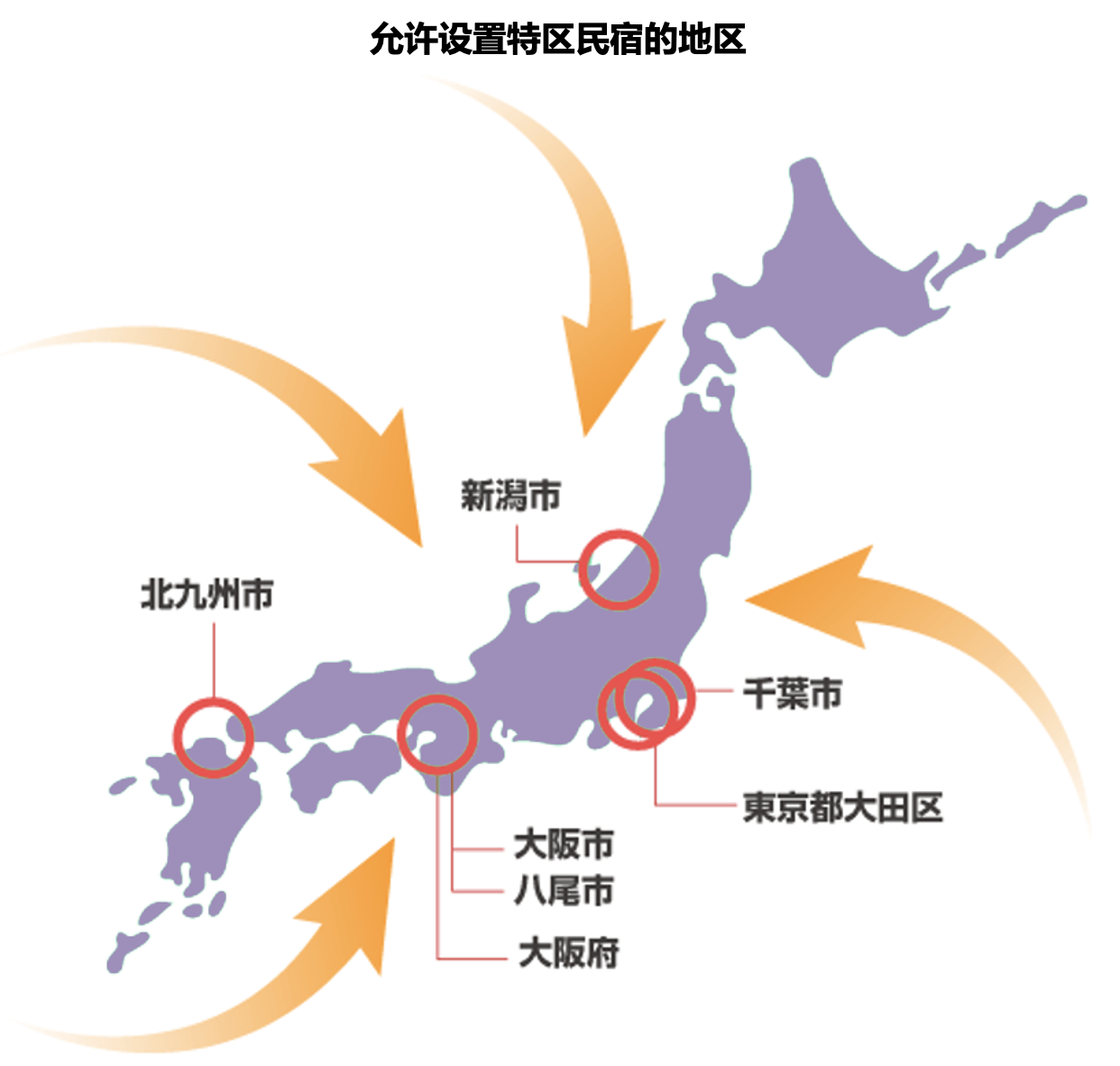
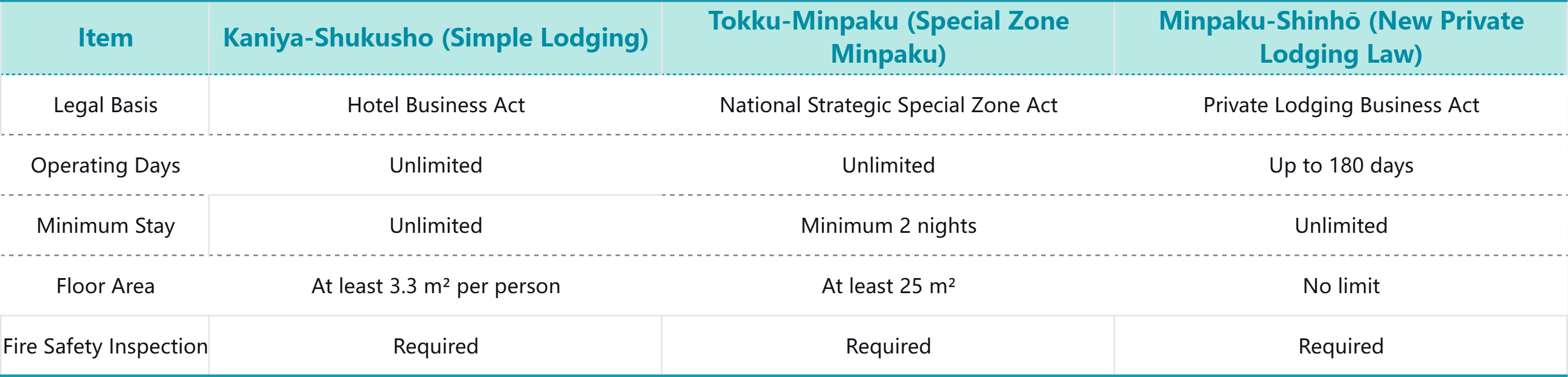
Japanese Policies Affecting the Real Estate Market Centralization : Long-term, for scale effects, Japan's population and resources concentrate mainly in the three major metropolitan areas: Tokyo, Osaka, Nagoya, especially Tokyo, creating a "centralization" phenomenon. The Tokyo Metropolitan Area is the world's largest by population and economy. Charts show the population share of these three metros from 1955-2018: Tokyo 29%, Osaka 14%, Nagoya 9%. Although the government tries to mitigate this, even with population decline, young people still prefer moving to big cities. Charts comparing capital region population shares globally show Tokyo's (black solid line) is much higher. Tokyo's population growth comes mainly from migration, not natural increase. 91.1% of migrants are aged 15-29. Now and in the future, Tokyo's jobs and population will keep rising, driving stable demand for housing suitable for young white-collar workers (small apartments near business districts/subway stations).Tourism-Oriented Country : Since 2008, promoting tourism has been a national strategy. After winning the 2020 Olympics bid in 2013, efforts to attract foreign tourists increased. Due to aging and low birthrate, tourism and foreign consumption are key economic drivers. In 2018, tourism-related revenue reached ~55 trillion yen, over 5% of GDP, contributing ~6% of national employment. Pre-pandemic, rising tourist numbers drove demand for hotels/apartments. To address short-term accommodation shortages, "Minpaku Special Zones" were established in Tokyo/Osaka, allowing qualified properties to operate as minpaku, once a hot investment. Recently, the government tightened minpaku rules, especially for single-unit properties, making application/operation harder. Many local governments strengthened fire safety, neighbor relations, and operating day controls, increasing risks for small-scale minpaku investments. Consequently, market focus shifted to whole-building minpaku or hotel-style properties, which meet approval standards and allow centralized management, still favored by some investors. Compared to long-term rentals, whole-building minpaku offers more flexibility (can convert to long-term/self-use) but has higher investment thresholds and compliance requirements.Olympics/Expo: The 2021 Tokyo Olympics, held mostly without spectators due to COVID, had limited economic impact but its "legacy" profoundly affected Tokyo Bay and surrounding areas. The Harumi Athletes' Village was converted into a large residential area, a new high-end zone in Tokyo Bay, driving up surrounding property values and infrastructure. Osaka hosts the 2025 World Expo (Apr 13-Oct 13, 2025) on Yumeshima Island. The Expo drives large-scale Kansai infrastructure investment and international capital attention. Meanwhile, the government approved an Integrated Resort (IR with casino) on Yumeshima, planned to open by 2029. It includes an international convention center, hotels, entertainment, and casino facilities, aiming to make Osaka a major Asian integrated resort destination surpassing Macau. The Expo and IR are expected to significantly boost Osaka Bay's international profile and investment potential, promoting development of surrounding residential, hotel, and commercial real estate. Osaka thus becomes Japan's most watched future real estate investment hotspot after Tokyo Bay.
Popular City Recommendations
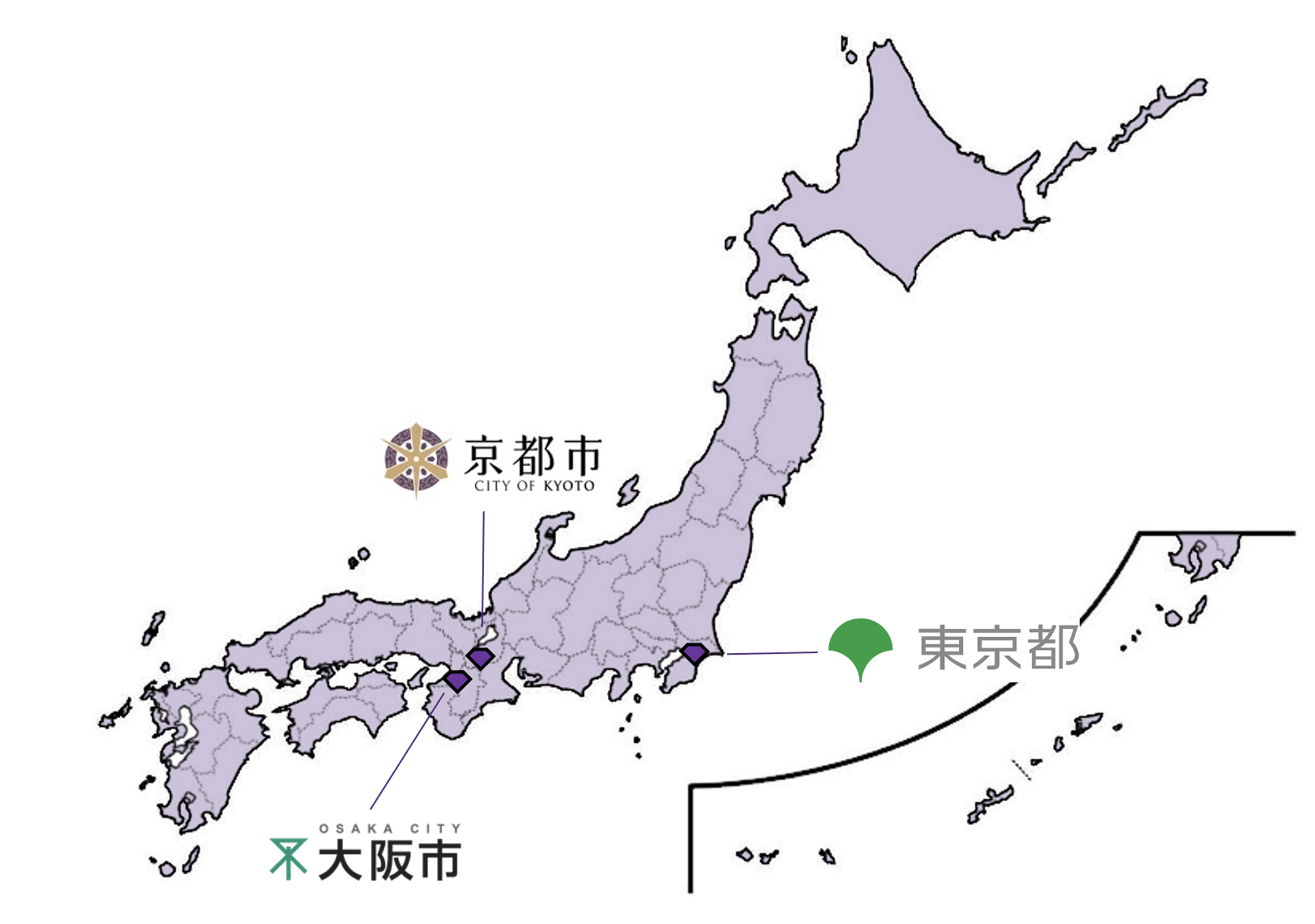
Demand from both local Japanese buyers and overseas investors concentrates mainly on Tokyo in the Capital Region and Osaka/Kyoto in the Kansai region.Tokyo:Japan's largest city, world's largest metro area (~36M people). Strong property demand, prices long-term stable with slight increases, strong risk resistance.Core Areas: Tokyo's core 6 wards (3 inside JR Yamanote loop + 3 northwest), mainly apartments. Small apartments along subway lines have relatively controllable total price, convenient commute, are the preferred rental type for Japanese white-collar workers/students, and most favored by overseas investors. Rental yield generally 2-6%.High-end Living: Large luxury apartments and detached houses are more suitable for clients living long-term in Japan. Luxury apartments have excellent management, often centrally located for convenience. Detached houses offer permanent ownership of land and building, are spacious, private, have lower unit price, but new supply is scarce.Osaka:Japan's second-largest city (~18M people). Prices about 60-70% of Tokyo's. In the central core 6 wards (inside Osaka Metro loop), both apartments and detached houses can yield stable rental income.Tourism-Driven: In 2019, Osaka received over 80 million tourists, including over 12 million foreigners, making it the second most popular international destination after Tokyo. Osaka has its own attractions and is also the gateway and transit point for Kyoto, Nara, and Kobe.Future Potential: Expo 2025 and the Yumeshima IR construction will bring infrastructure investment and international visitors, enhancing regional vitality.Investment Hotspots: As short-term rental policies tighten, risks for small minpaku investments rise. The market is shifting towards whole apartment buildings, hotel-style properties, and long-term rental housing, which have higher compliance and lower risk. Overall, Osaka offers both rental yield and appreciation potential, with prominent investment value.Kyoto:Served as Japan's capital from 794-1869, a globally renowned cultural/tourist destination. Has 17 UNESCO World Heritage sites (e.g., Kyoto Imperial Palace, Fushimi Inari Shrine, Gion). Hosted over 53 million tourists in 2019, including 4.5M+ foreigners. Market Characteristics: Driven by the "Tourism-Oriented Country" policy and growing international tourists, demand for hotels/accommodation is strong. After Tokyo/Osaka tightened minpaku rules, Kyoto's hotspots shifted to boutique hotels, whole machiya (townhouse) renovation projects, and high-end serviced apartments.Unique Appeal: Kyoto's historical atmosphere and culture attract overseas clients with "sentiment" (情怀) to buy traditional villas or machiya as vacation homes or investments. These properties combine scarcity and cultural value, holding unique advantages in the Kyoto market.

Purchase Strategy
Compared to China, key features of Japanese real estate are: 1.Permanent Ownership: Unlike China's 70-year or the UK's 125/250/999-year leaseholds, Japanese land and buildings have permanent ownership, inheritable assets.2.No Public Shared Area, Balcony Not Counted in Interior Area: An 80 m² apartment in Japan often has 3 bedrooms vs 2 in China, due to efficient design and no (public area) and balcony exclusion. Note: Japanese area (usually uses) "wall centerline area" , (actual usable rate) >95% (plus阳台阳台), still much higher than China's new apartments (70-80%).3.Less Depreciation: Tenants have requirements regarding smoking, pets, cleaning, etc., so properties are generally well-maintained.4.Common Area Units: 1 tsubo (坪) = 3.31 m², 1 jo/畳 (tatami mat size) = 1.62 m² ≈ 0.5 tsubo.

Purchase Costs
One-Time Purchase Costs
When buying a property in Japan, one generally needs to pay taxes and fees such as Stamp Duty, Registration and License Tax, and Real Estate Acquisition Tax. The one-time costs for purchasing a new property are approximately 4% to 5% of the property price.Ongoing Holding Costs:Taxes and fees for holding property in Japan mainly include Fixed Asset Tax, City Planning Tax, and Management Fees. Generally, these amount to about 1.5% of the property price per year.Furthermore, the "Fixed Asset Tax" portion of the annual holding costs can be reduced through the following methods:1.If purchasing a new apartment, buying a unit on the first floor can reduce the Fixed Asset Tax by about 10%.2.When buying a second-hand property, the older the property, the lower the Fixed Asset Tax.3.Selling the property within 6 years after purchasing it new. This is because the Fixed Asset Tax (on the building portion) is halved for the first 6 years.4.Paying attention to local policies and utilizing available tax exemption systems. For example, purchasing a kindergarten in Tokyo or a factory in Okinawa might qualify for Fixed Asset Tax exemptions.5.Scheduling reconstruction or sale towards the year-end. The liability for Fixed Asset Tax is determined based on ownership on January 1st of each year. Demolishing or selling the property before this date can save a year's tax.6.Paying the tax using specific credit cards (if such options offering benefits are available).For second-hand properties, both the one-time costs and holding costs are somewhat higher than for new properties. The one-time costs for a second-hand property are approximately 6% to 8%, and the annual holding costs are about 2% to 2.5%.Generally, the larger the land area, the larger the building area, and the higher the total property value, the higher the real estate taxes will be. Conversely, owner-occupied residences and smaller properties often qualify for certain reductions or preferential treatments.

Loan Application Process
Submit loan application within 3 months before intending to purchase.Submit loan documents before the property delivery date.Bank conducts review and approval.Approved / Not Approved.If approved: Make monthly mortgage repayments. If not approved or opting for cash: Pay the remaining balance in a lump sum.Local Japanese banks offer relatively low interest rates, typically between 1% and 3% for local buyers. However, Japanese banks set a high threshold for overseas property buyers, usually requiring a long-term visa or permanent residency status in Japan, along with stable income. Overseas borrowers often turn to branches of Bank of China or HSBC in Japan, which offer loans but generally at higher interest rates, around 3% to 5%.
Disclaimer: All country-related information provided above is sourced from the internet and is for reference only. Should there be any discrepancies with actual circumstances, please rely on the factual situation. If you identify any inaccuracies, please contact us promptly for corrections.